The Drone War Over Kordofan: Why el-Obeid Is
Escalating drone strikes highlight Kordofan's strategic importance.
Model Diplomat3 min readAfrica
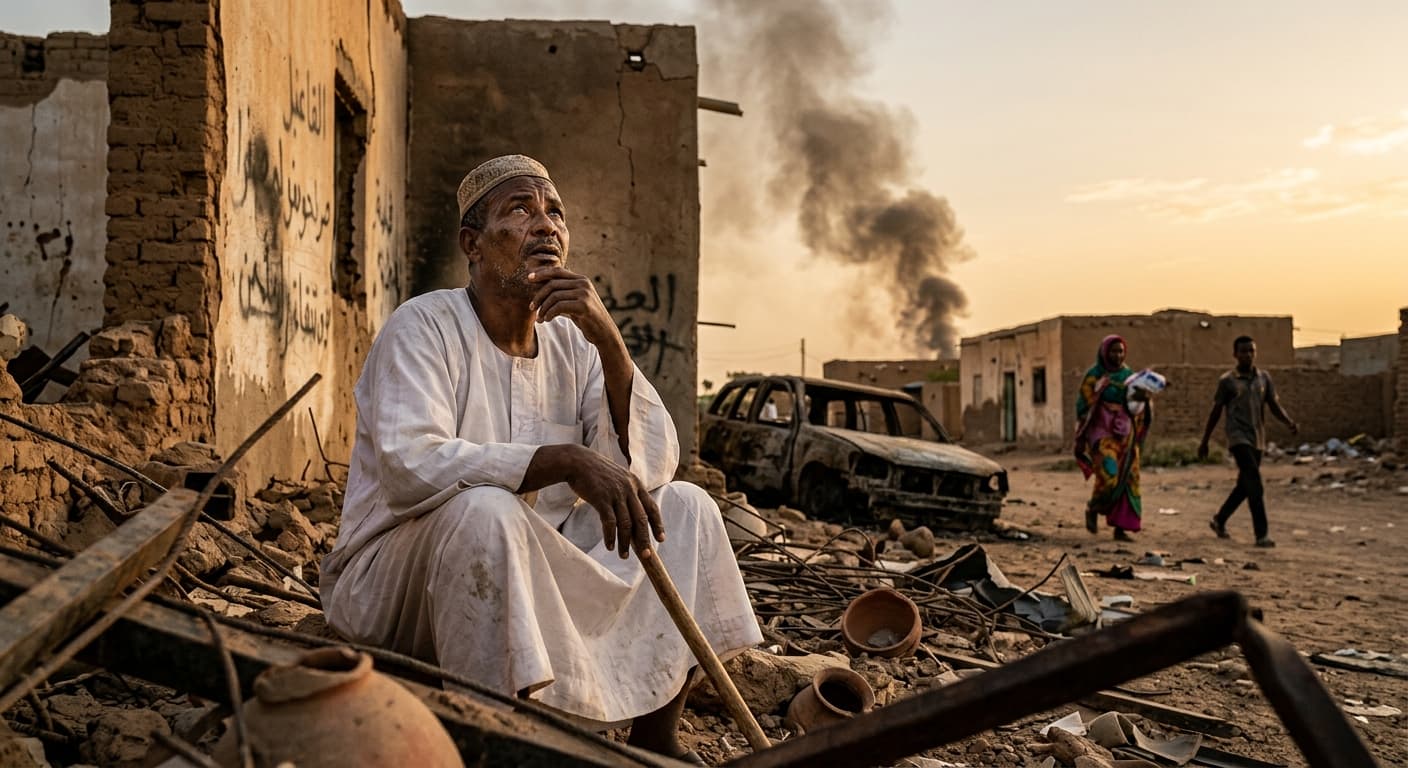
The Drone War Over Kordofan: Why el-Obeid Is Sudan’s New Epicenter
A deadly wave of drone strikes in central Sudan underscores a dangerous escalation in the battle for Kordofan's strategic trade and oil corridors.
A series of devastating overnight drone strikes on the central Sudanese city of el-Obeid has killed up to 23 people and injured 19 others, according to local rights group Emergency Lawyers. The attacks, which began on June 10, targeted residential neighborhoods, a local airport district, areas near a military base, and a funeral procession at a cemetery, according to the
BBC.
While the paramilitary Rapid Support Forces (RSF) have not claimed responsibility, municipal hospital officials and local legal networks have blamed the group, which has partially encircled the army-held city for months. The incident marks the latest flashpoint in an intensifying drone air war that is rapidly shifting the power dynamics of Global Politics in northeast Africa.
The Battle for the Central Axis
The Kordofan region has emerged as the pivotal front line in Sudan's multi-year civil war. Geographically, Kordofan serves as the country's most vital east-west transit corridor, connecting the RSF’s western stronghold of Darfur to the army-controlled capital of Khartoum and eastern ports, as explained by Al Jazeera.
Control of el-Obeid, the capital of North Kordofan, is the ultimate prize on this axis. Because the city sits atop critical highway networks and oil pipelines, the regular Sudanese Armed Forces (SAF) have fiercely defended their military garrison there. By cutting off el-Obeid, the RSF hopes to secure unhindered supply lines to move troops, weapons, and fuel across the country. Conversely, the SAF is using the city as a staging ground to launch counter-offensives and break the siege.
The Internationalized Skies
The deployment of unmanned aerial vehicles (UAVs) in Kordofan has escalated dramatically, transforming what began as a ground infantry conflict. According to the United Nations, hundreds of civilians were killed in drone attacks across Sudan in the first four months of 2026 alone, as reported by Al Jazeera.
This aerial escalation is fueled by foreign arms. The RSF has relied heavily on sophisticated, long-range Chinese CH-95 drones, which the Sudanese government alleges are supplied via the United Arab Emirates through neighboring countries, according to the BBC.
To counter this, the SAF has leveraged Turkish-made Bayraktar Akinci combat drones. The military government has also taken aggressive diplomatic steps to choke off the RSF's regional support, recently recalling its ambassador to Ethiopia after accusing Addis Ababa of permitting UAE-funded RSF drones to fly out of Ethiopian airspace.
What to Watch Next
The immediate indicator of where this conflict is headed lies in the Umm Sumaima front, a town east of el-Obeid that acts as the last defensive outpost for the army before the capital of North Kordofan, as tracked by the BBC. If RSF forces manage to pierce this perimeter and establish permanent launch zones closer to the city, the blockade will likely tighten into an outright assault. Keep a close eye on SAF drone activity along the Libyan and Chadian border entry points; any successful interdiction of RSF supply convoys there will determine whether the military can sustain its defense of el-Obeid.
Discover more
Global Politics
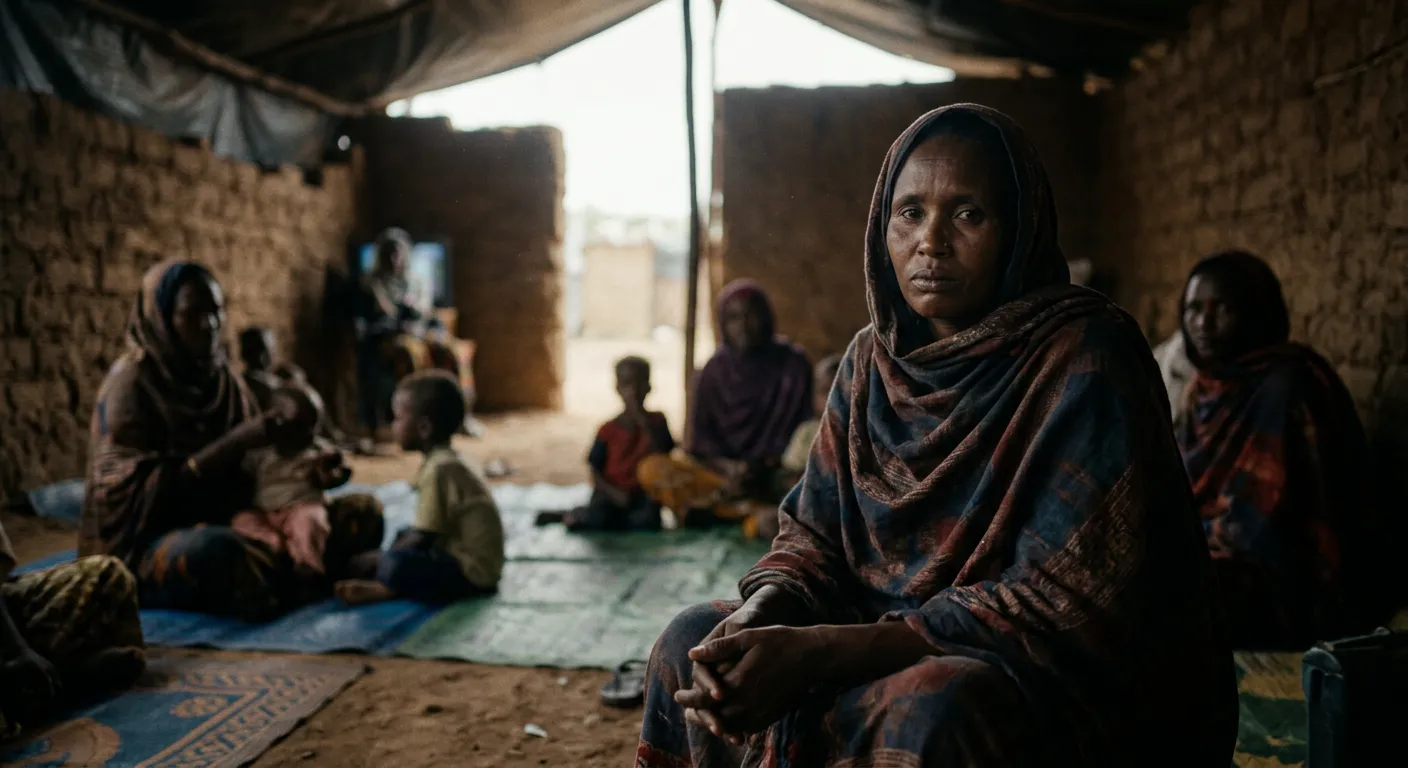
UN Reports Unprecedented Sexual Violence in
A UN report documents 546 verified incidents of sexual violence in Sudan's war, exposing unprecedented abuses and mounting human-rights atrocities in conflict.
International Relations
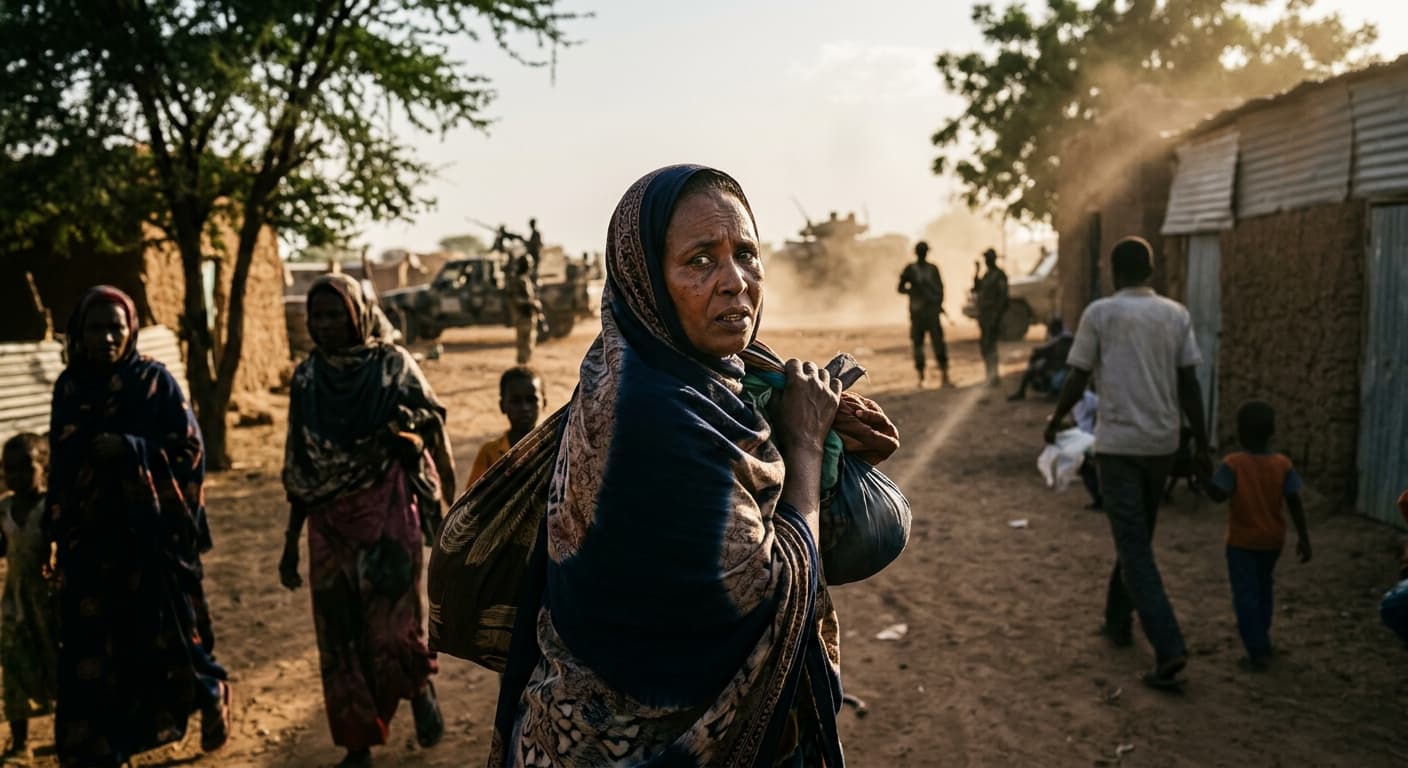
US Warns of Atrocities in El-Obeid
Washington warns of imminent atrocities as RSF fighters encircle El-Obeid, raising alarms of genocide and a deepening civilian crisis across Sudan's frontlines.

Conflict & Security
US and UN Warn of Atrocities in Al-Ubayyid
The US and UN warn of imminent mass atrocities in Al-Ubayyid, Sudan, as RSF forces advance and trapped civilians face a worsening humanitarian catastrophe.
Conflict & Security
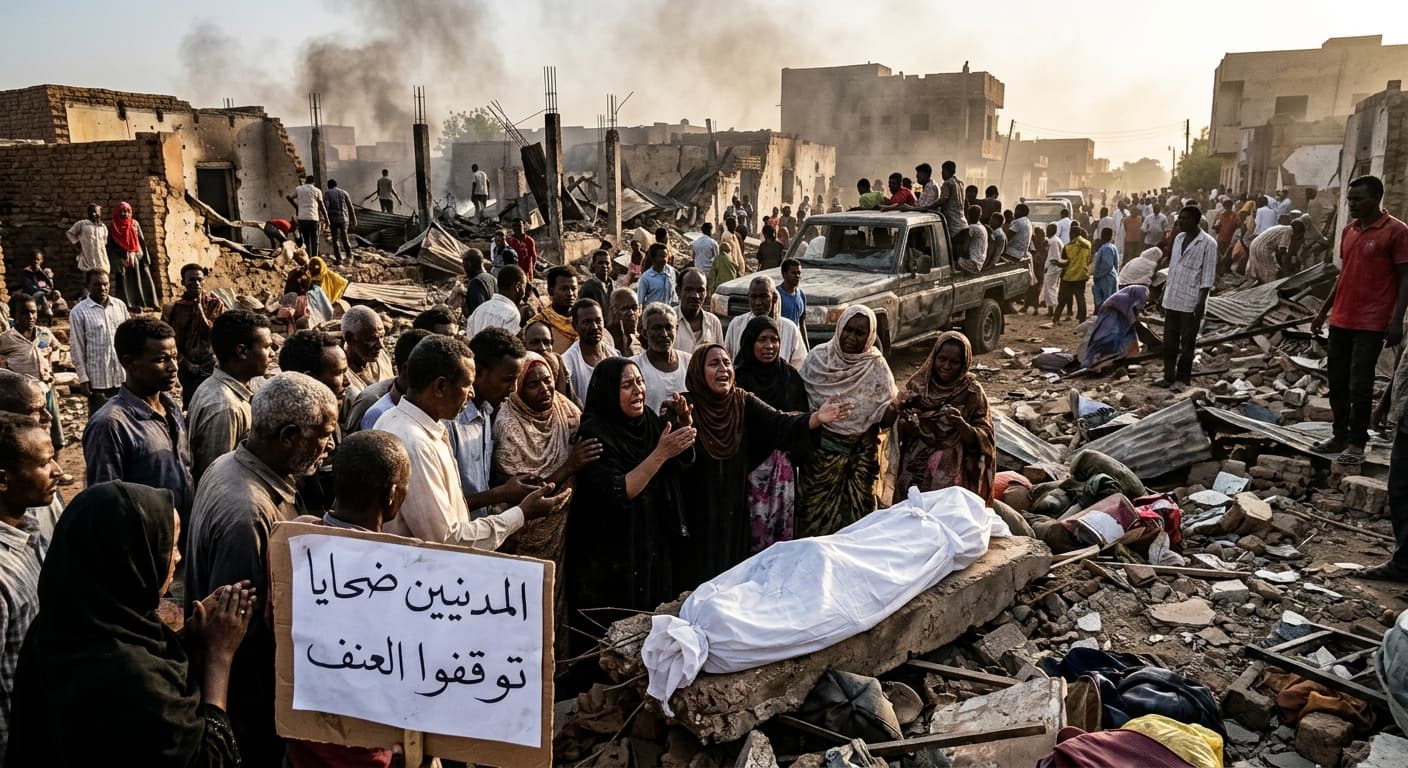
29 Nations Warn of Atrocities in Sudan
Twenty-nine nations warn of mass violence in Sudan as drone strikes kill over 1,000 civilians, pressing for global action to halt the deepening crisis.