29 Nations Warn of Atrocities in Sudan
Coalition alerts UN of imminent violence in el-Obeid
Model Diplomat3 min readAfrica
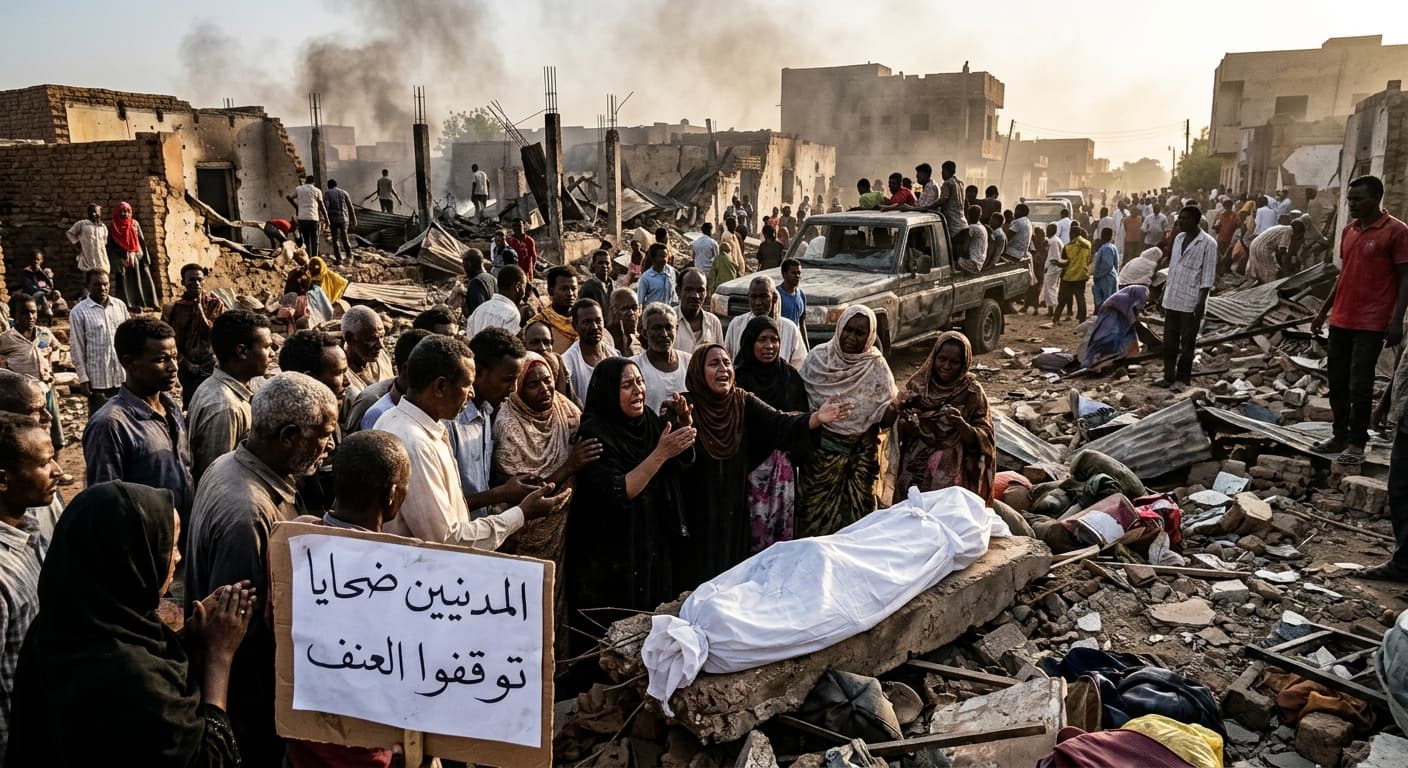
29 Nations Sound Atrocity Alarm as Sudan's Drone War Escalates
Western coalition warns el-Obeid faces imminent mass violence as drone strikes kill over 1,000 civilians in five months
An international coalition led by Norway has delivered a stark warning at the UN Human Rights Council that Sudan's paramilitary Rapid Support Forces could imminently escalate mass atrocities in el-Obeid, the central Kordofan city now home to about half a million at-risk civilians. The statement, presented Thursday on behalf of a coalition of 29 countries including Britain, France, Canada, Germany, and Ireland, signals that Western powers see el-Obeid as the next focal point in a conflict that is increasingly defined by aerial bombardment and ethnic targeting.
The coalition's alarm reflects hard data. UN High Commissioner for Human Rights Volker Turk reported that his office documented over 1,000 drone-strike deaths in just the first five months of 2026, representing a 600% increase in drone-related deaths compared to 2024. In el-Obeid specifically,
ten consecutive days of attacks killed at least 50 civilians and destroyed critical civilian infrastructure. The coalition also highlighted "widespread credible reports of ethnically targeted violence, including sexual and gender-based violence"—the warning echoes the pattern documented last year in al-Fasher and Zamzam, where atrocities preceded military collapse.
Why the Timing Matters
El-Obeid commands strategic terrain: it sits along the corridor linking the RSF's western holdings in Darfur to eastern supply routes. The city has been under siege-like conditions for 18 months, and the coalition statement carries an implied urgency that international pressure is losing a race against military momentum. The RSF has demonstrated the capacity and willingness to wage sophisticated air campaigns. The paramilitary force denies culpability for mass killings, saying abusers will face accountability—a formula that has not arrested mass violence elsewhere in Sudan.
The Western coalition's statement reflects a narrowing window: its members are calling for maximum pressure on both the RSF and the Sudanese Armed Forces to prevent atrocities and open humanitarian corridors. That language signals frustration. Diplomatic channels have produced no ceasefire; negotiations have repeatedly failed. What remains is deterrence through threat of future accountability—a tool that has shown limited effect in a conflict where neither side has faced immediate costs for documented violations.
The Scale and What's Next
Sudan now faces what the UN describes as the world's largest humanitarian crisis: 34 million people—nearly two-thirds of the population—need assistance. The war, now in its fourth year, has displaced 14 million and killed at least 59,000—likely far more given documentation gaps. Drone warfare has become the deadliest threat to civilians, supplanting ground combat as the conflict's most lethal tactic.
Watch for three indicators: first, whether el-Obeid sees an intensified assault in the coming weeks, which would test the coalition's capacity to enforce its warnings through sanctions or military support to civilian defenders. Second, whether Kenya's recent filing of a landmark universal jurisdiction complaint against RSF commanders gains traction—if successful, it could signal that impunity has costs beyond the battlefield. Third, whether the RSF's foreign backers (particularly drone suppliers) face targeted pressure or sanctions from Western powers who claim to be "applying maximum pressure." The coalition's statement is a warning to the international community as much as to the combatants: if el-Obeid falls to documented mass killing, the silence will be choice, not ignorance.
Discover more
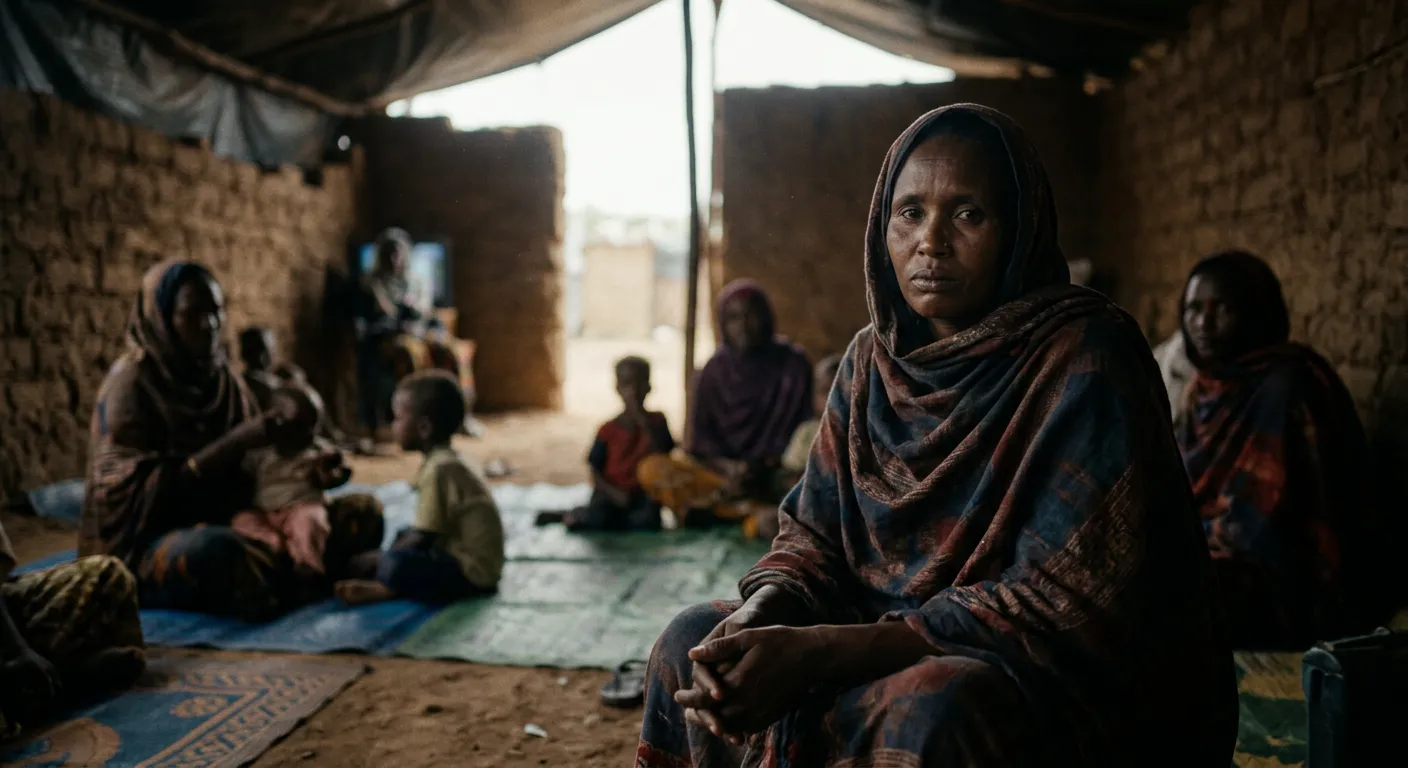
Global Politics
UN Reports Unprecedented Sexual Violence in
A UN report documents 546 verified incidents of sexual violence in Sudan's war, exposing unprecedented abuses and mounting human-rights atrocities in conflict.
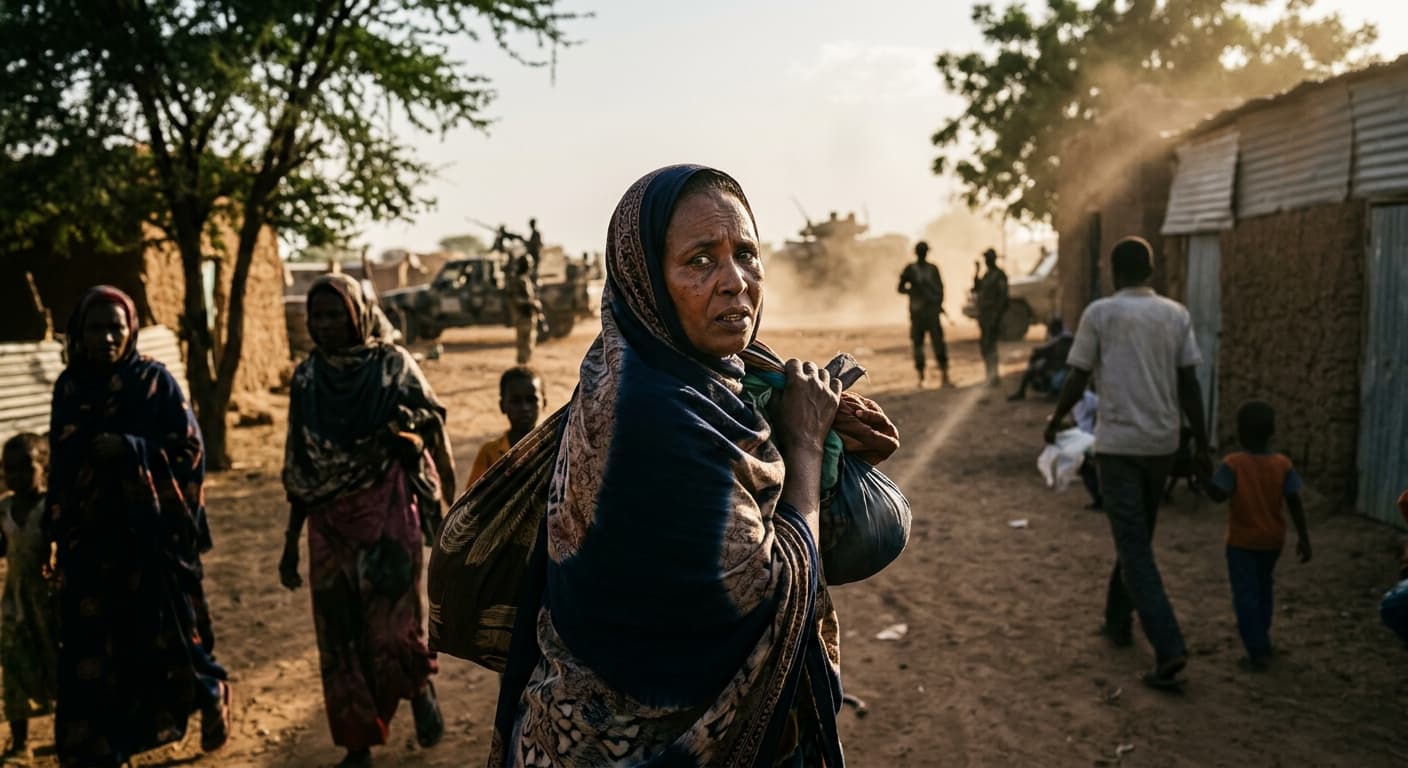
International Relations
US Warns of Atrocities in El-Obeid
Washington warns of imminent atrocities as RSF fighters encircle El-Obeid, raising alarms of genocide and a deepening civilian crisis across Sudan's frontlines.

Conflict & Security
US and UN Warn of Atrocities in Al-Ubayyid
The US and UN warn of imminent mass atrocities in Al-Ubayyid, Sudan, as RSF forces advance and trapped civilians face a worsening humanitarian catastrophe.
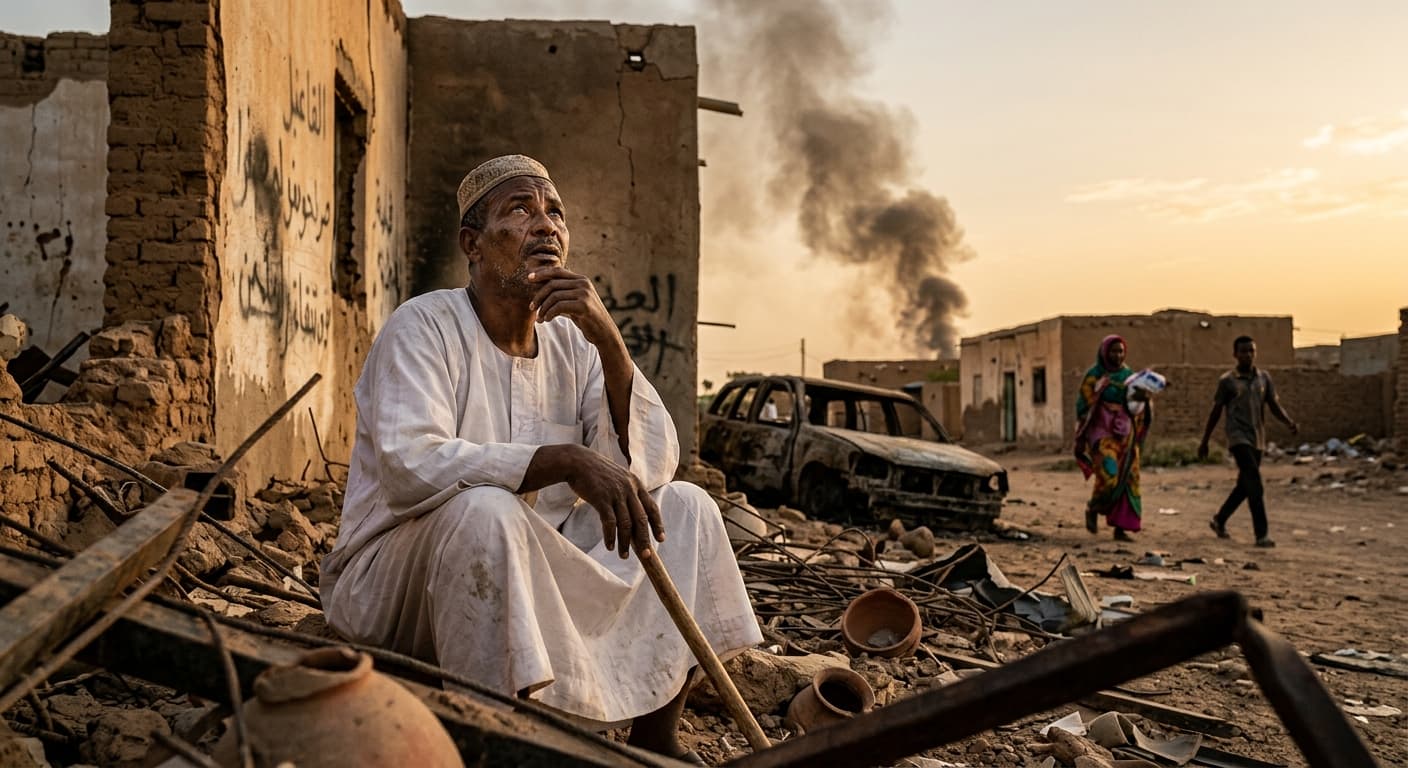
Global Politics
The Drone War Over Kordofan: Why el-Obeid Is
Drone strikes on el-Obeid mark a dangerous escalation in Sudan's civil war, as RSF and SAF forces turn Kordofan into a new front in the fight for control.