Tamil Nadu Governor Holds the Key to TVK’s Claim
Arlekar is using majority proof as a gatekeeper, not a formality. TVK wants the first shot; the real contest is whether the Governor can wait for a floor test.
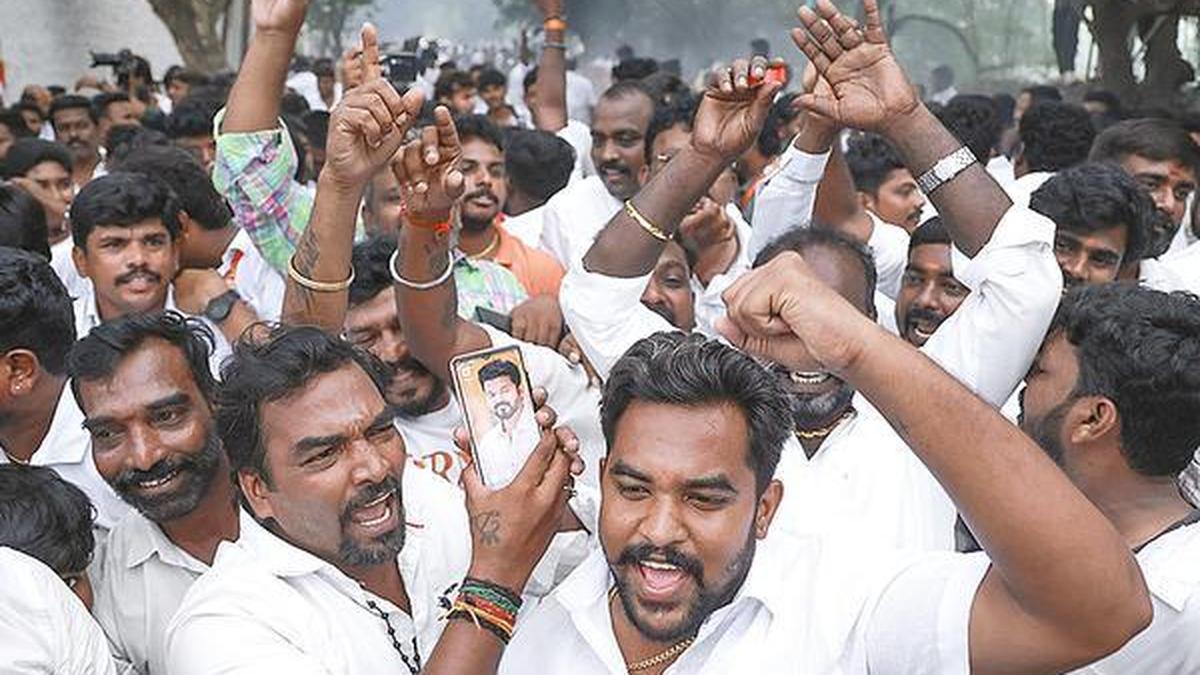
The power is with Tamil Nadu Governor Rajendra Arlekar for now. He has told Tamilaga Vettri Kazhagam chief C. Joseph Vijay that requisite majority support has not been established and asked for proof of 118 MLAs in the 234-member Assembly before moving further, according to  The Hindu. TVK, which emerged as the single largest party in the 2026 election, is arguing the opposite: that the Governor must invite it first and let the Assembly decide the rest on the floor of the House (The Hindu). That is the central fight: who gets to define “majority” — the Raj Bhavan or the legislature.
The Governor is testing the margin before granting legitimacy
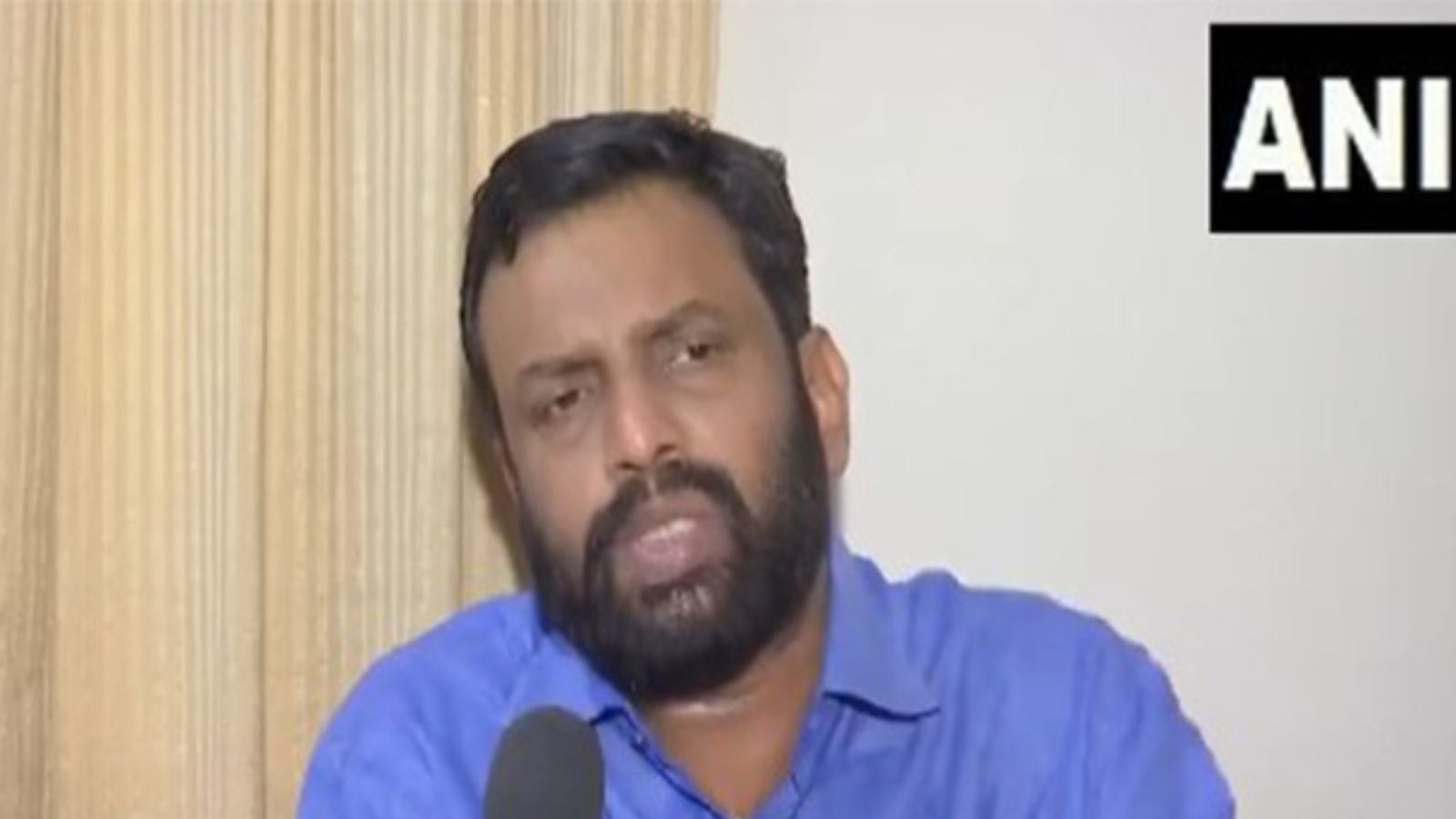
Arlekar’s position is politically useful because it shifts the burden onto TVK to demonstrate a stable majority before oath-taking. That reduces the risk of a short-lived ministry and, more importantly, keeps the Governor from being seen as rubber-stamping a coalition built after election night. The Hindu reported that the Governor asked Vijay to produce letters of support from 118 MLAs; TVK, meanwhile, has been reaching out to smaller parties and independents, with its general secretary saying the party had submitted its claim and that majority should be tested only in the House.
That creates leverage for the Raj Bhavan, not TVK. If Arlekar waits too long, he risks accusations of obstruction. If he invites TVK too early, and it collapses on a floor test, he hands the party a symbolic victory and himself a constitutional embarrassment. For  India, this is a reminder that governors are still decisive actors in hung-Assembly politics.
The legal argument favors the floor test — but only after a credible claim
TVK’s legal case is anchored in old Supreme Court doctrine. In the op-ed that triggered this debate, Gautam S. Raman argues that the Governor should be convinced the single largest party can win majority support, but that drastic steps under Article 356 should be a last resort (The Hindu). He relies on the familiar chain of precedents: S.R. Bommai, Rameshwar Prasad, and the Sarkaria Commission, all of which push the system toward a floor test rather than a pre-emptive dismissal of an elected claim.
The stronger point is not that TVK automatically gets the government. It is that the Governor’s discretion is narrow: he can assess whether a claimant looks capable of commanding a majority, but he cannot convert that assessment into a substitute election. The  Times of India made the same point more bluntly, citing Supreme Court rulings that say majority must ultimately be proved on the floor of the House. That is where the constitution still draws the line.
What to watch next
The next decision point is immediate: whether Arlekar invites TVK to form the government or keeps demanding written backing from 118 MLAs. A petition already filed in the Supreme Court seeks a direction that the Governor must invite TVK first and then hold a floor test (The Hindu). If the court moves quickly, it may settle the sequence before the Governor does.
If not, the real test will be political: whether TVK can convert its plurality into a majority without triggering defections, and whether the Governor is prepared to acknowledge that only the Assembly can finally answer that question.