DMK and TMC Prepare for 2026 Elections
High-stakes elections in Tamil Nadu and West Bengal against BJP
Model Diplomat3 min readIndia
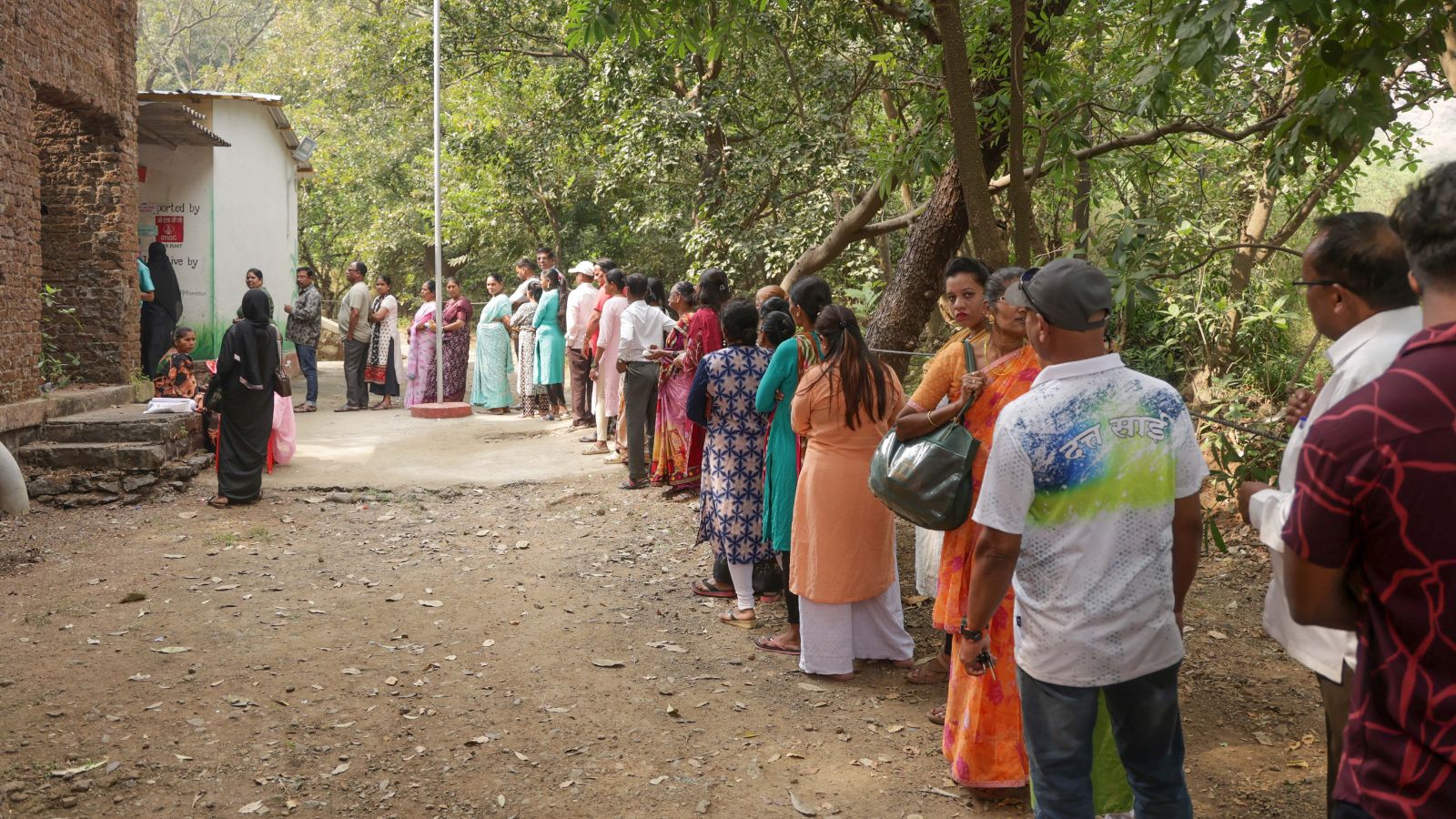
Assembly Election 2026: Tamil Nadu’s DMK and West Bengal’s TMC Brace for a High-Stakes Battle
Tamil Nadu polls on April 23 focus on DMK's fight against BJP influence; West Bengal’s TMC eyes over 226 seats amid tension with BJP and opposition.
The 2026 Assembly elections in Tamil Nadu and West Bengal are shaping into critical tests of regional power against the backdrop of national competition with the BJP. Tamil Nadu votes on April 23, with West Bengal’s two-phase polls set for April 23 and 29, and results announced on May 4. The ruling DMK in Tamil Nadu, led by M.K. Stalin, and the incumbent TMC in West Bengal, headed by Mamata Banerjee, are mobilizing strongly amid allegations of BJP’s increasing influence and election management controversies.
DMK vs BJP: Regional Dominance and National Stakes
Tamil Nadu’s political terrain is usually dominated by Dravidian parties, primarily the DMK and its rival AIADMK. This election prominently features DMK’s confidence, highlighted by key leader Kanimozhi, optimistic about victory and continuity in governance. However, Mamata Banerjee has accused a tacit understanding between BJP and Tamil Nadu’s CM M.K. Stalin via Congress, suggesting a strategic compromise that could undercut DMK’s anti-BJP stance. The BJP is also stirring controversy by reportedly deploying West Bengal officers as election observers in Tamil Nadu, raising concerns of interference aimed at limiting DMK’s development agenda.
This friction underscores Tamil Nadu’s increasing importance in national BJP strategies to penetrate the southern political landscape, which has historically resisted BJP dominance. DMK’s campaign, including Stalin’s active canvassing in Tiruchirappalli and Kolathur constituencies, illustrates efforts to maintain regional autonomy against this backdrop.
West Bengal: TMC’s Electoral Fortification Amid BJP Challenge
In West Bengal, the TMC aims to contest 291 of 294 seats, seeking to surpass a majority threshold with over 226 seats projected by party leaders. Mamata Banerjee’s campaign faces strenuous challenges, especially from BJP’s concerted efforts and pressures on the Election Commission. Accusations about biased officer transfers in West Bengal suggest ongoing electoral management disputes, with Banerjee warning of biased administration favoring the BJP.
West Bengal’s multi-party competition also includes an anti-BJP alliance between the Left Front, ISF, and CPI(ML) Liberation, which collectively contest the remaining seats, complicating TMC’s path to outright dominance. The BJP’s effort to frame itself as culturally aligned with West Bengal’s electorate counters TMC’s narrative of national interference.
What to Watch Next
- Election Day Dynamics: Tamil Nadu’s single-phase polling on April 23 will reveal whether DMK can fend off BJP’s advances and manage alliances amid Congress’s ambiguous role.
- West Bengal’s Two-Phase Polls: The staggered voting on April 23 and 29 will test TMC’s grip, especially as opposition coalitions consolidate to counter the BJP push.
- Post-Election Maneuvers: Observers must watch for claims of electoral management bias and legal petitions, which could influence the final tally or provoke post-poll instability.
- Opposition Unity Efforts: Mamata Banerjee’s plans to travel nationally to build opposition unity against BJP push could impact broader national politics beyond these states.
This election series is critical as a bellwether of regional resistance to BJP’s expanding footprint in India’s federal landscape, particularly in Tamil Nadu and West Bengal, two pivotal states with complex political ecosystems and high national stakes.
For further context on the ongoing political strategies and implications, see India Politics and
Global Politics.
Sources:
Assembly elections LIVE: Tamil Nadu CM, Congress in tacit understanding with BJP, says Mamata - The Hindu
Discover more
India
Rajnath Singh's Durga Squad for 2026 Polls
Rajnath Singh's Durga Squad promised women's safety in Bengal but has since disappeared from the agenda, revealing BJP's true priorities.
India
Modi's Women’s Convention in Varanasi
Modi's Varanasi rally frames women's reservation as a national mission, targeting the 2027 Uttar Pradesh elections with a strategic narrative.

Conflict & Security
Drone Warfare Killing Aid Workers at Unprec
Over 1,000 humanitarian workers killed in three years as cheap armed drones collapse legal protections. Gaza, Sudan, Ukraine, and DRC see deliberate targeting of aid convoys and hospitals with zero prosecutions.

Global
World Normalises Taliban as Afghan Women Eras
UN data shows Afghan women erased from public life as Russia recognises the Taliban, EU hosts officials in Brussels, and ICC warrants for gender persecution go unenforced.