Taliban’s School Ban Forces Afghan Girls
Girls over 12 remain out of school under Taliban rule.
Model Diplomat3 min readAsia
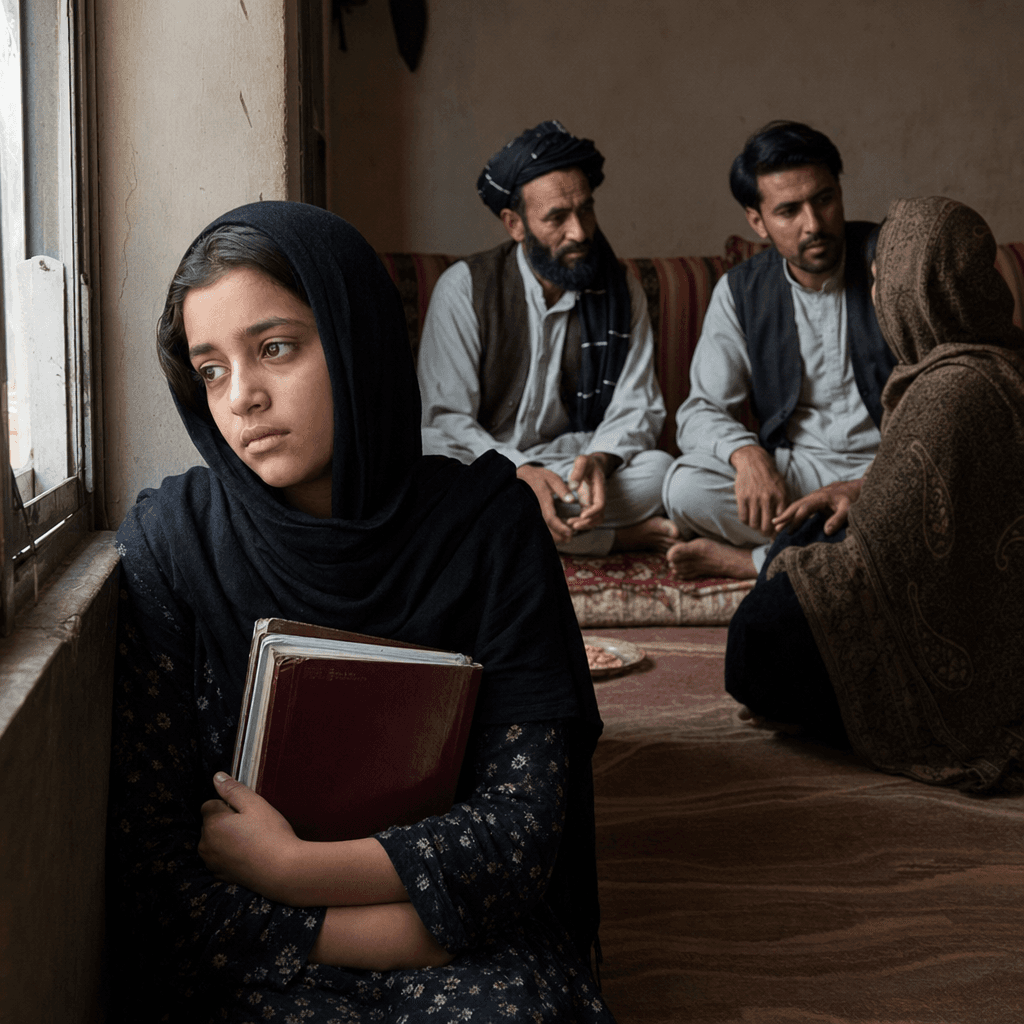
Taliban’s School Ban Is Forcing Afghan Girls Underground
Five years on, girls over 12 are still out of school, and the Taliban is turning the gap into dependency, marriage and control.
The Taliban still hold the only leverage that matters here: access to schooling, and they are using it to shrink Afghan women’s lives to the home, the madrasa, or marriage. Girls over 12 have been barred from school for nearly five years, with BBC reporting that private courses and religious schools are now the only options for families who can afford them, while Taliban spokesman Hamdullah Fitrat again avoided giving a reopening date and pointed instead to enrollment figures for boys and younger girls (BBC).
Education is the pressure point
This matters because school is not just a classroom; it is the pipeline to income, mobility and any future negotiating power inside the household. For International policymakers, the Taliban’s ban is a slow-motion coercive strategy, not a temporary administrative dispute. BBC says girls like Alia can still reach an English class only if their families have money, and the UN has warned that if the ban lasts until 2030, more than two million girls will have been denied education beyond primary school (
BBC). UNESCO put the wider damage in starker terms: 80 percent of Afghan school-age girls — 2.5 million — were being denied education, and university enrollment had fallen 53 percent since 2021 (
Al Jazeera).
That produces a second-order political effect. A woman who cannot study, work or move freely becomes easier to control by fathers, husbands and local powerbrokers. The Taliban does not need to announce that outcome; it is built into the ban. BBC’s reporting shows the government giving shifting explanations since 2021, from curriculum concerns to “safety” on the road, and now mostly deflection and silence (BBC).
Marriage fills the vacuum
Education becomes marriage when the state closes every other door. BBC reports that many Afghan girls have been left with just one choice: marriage, and that the social pressure is compounded by poverty, with three in four Afghans unable to meet basic needs according to the UN (BBC). Once school disappears, families start treating early marriage as damage control — a way to secure financial support, reduce household costs, or avoid stigma around unmarried daughters.
The Taliban is also hardening that reality in law. The Guardian reported on May 22 that a new edict appears to recognize child marriage and makes divorce harder, with activists warning that it entrenches girls’ dependence and leaves them with less legal escape if they are forced into marriage (The Guardian). That is the key shift: the ban is no longer just restricting education; it is helping formalize a social order in which girls are moved from classrooms into marriages before they can accumulate any independent leverage.
What to watch next
The Taliban’s incentive is to wait out pressure and normalize the ban one school year at a time. The next real checkpoint is the spring reopening cycle, when the regime will again face a simple choice: offer a date for girls’ secondary education, or keep deflecting and let exclusion harden further (BBC). The beneficiaries are the Taliban leadership and the conservative network that rules with it. The losers are Afghan girls, their families, and a state that is deliberately stripping itself of the educated workforce it will need to function.
Discover more
India
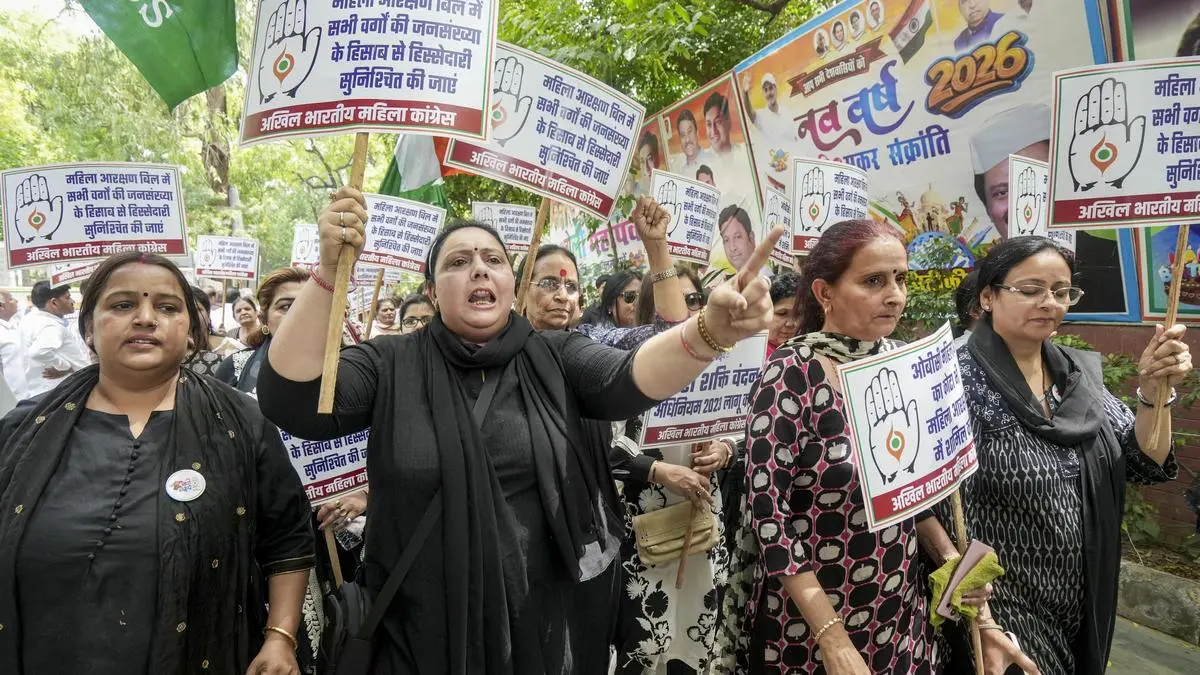
BJP's Misunderstanding of Women's Quota Needs
The BJP's linking of the Women Reservation Bill to delimitation risks delaying women's empowerment in India, misreading the aspirations of female voters.
India
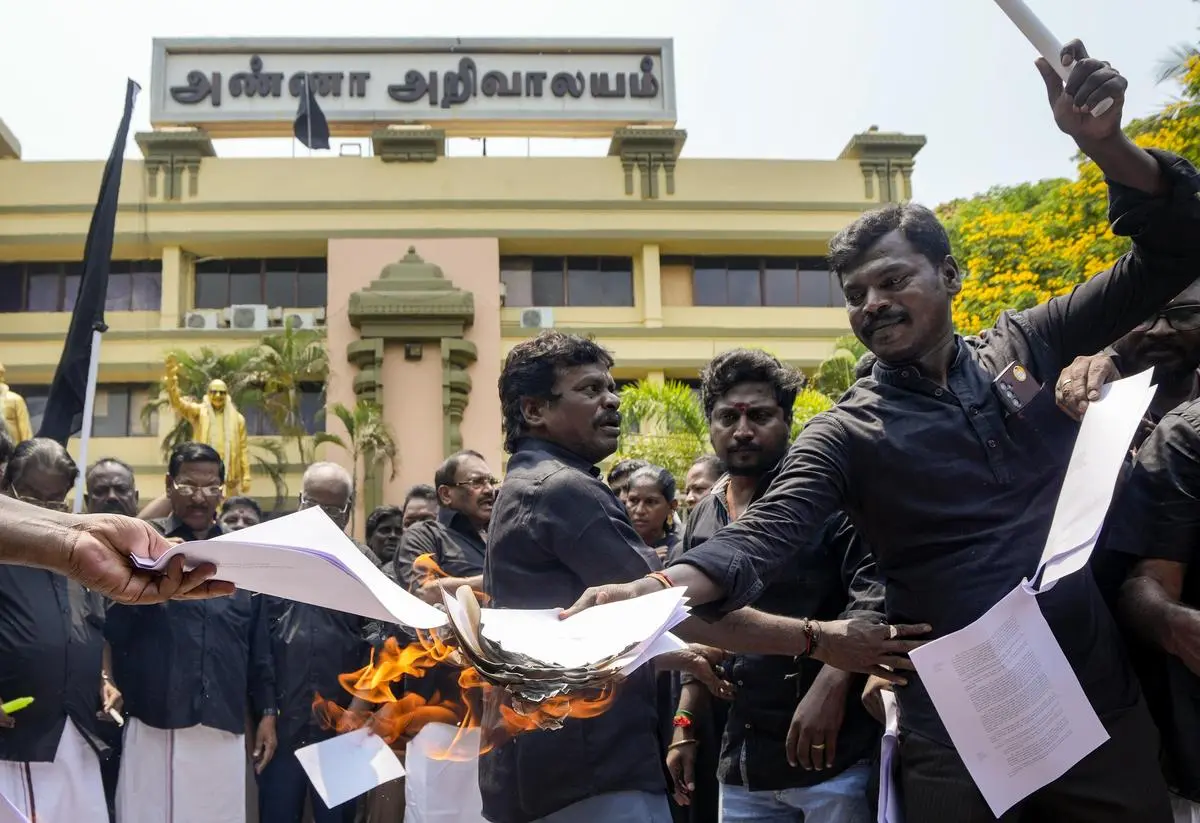
Women’s Reservation Bill 2026
The Constitution (131st Amendment) Bill, 2026 was defeated in Lok Sabha, revealing deeper political conflicts over women's reservation and delimitation.
India
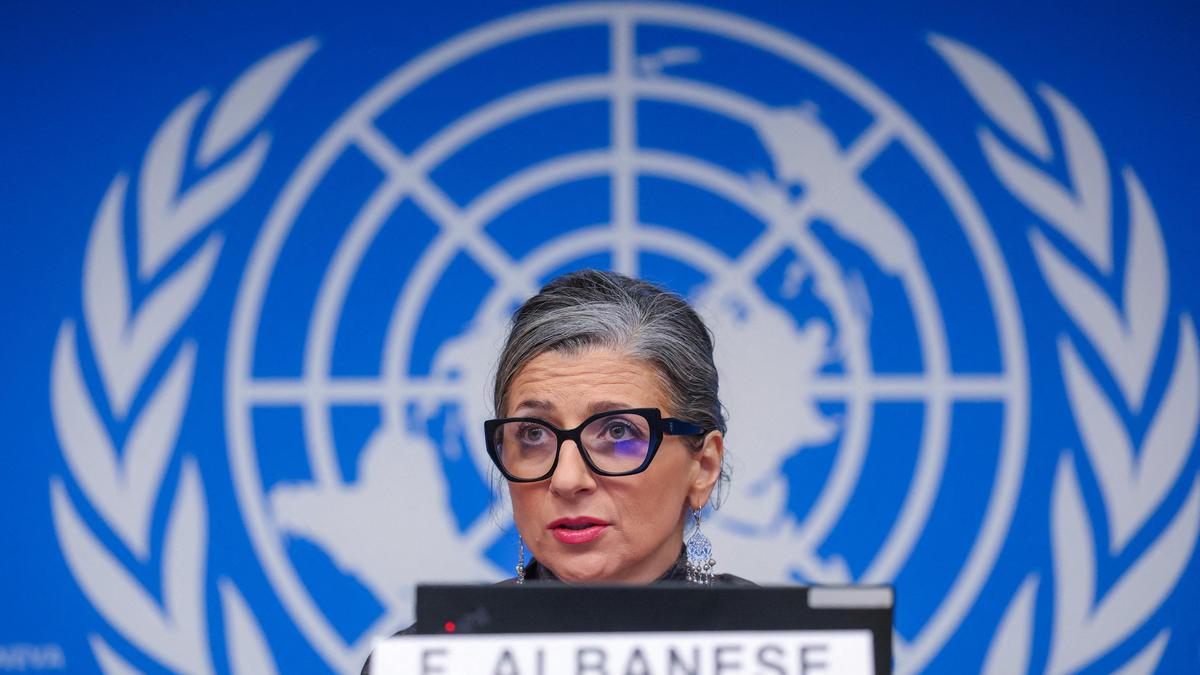
UN Expert Albanese: India Violates Law
UN Rapporteur Francesca Albanese accuses India of breaching international law, spotlighting human rights concerns in Kashmir and prompting diplomatic pushback.

Conflict & Security
Drone Warfare Killing Aid Workers at Unprec
Over 1,000 humanitarian workers killed in three years as cheap armed drones collapse legal protections. Gaza, Sudan, Ukraine, and DRC see deliberate targeting of aid convoys and hospitals with zero prosecutions.

