Taiwan KMT Leader Advocates Beijing Dialogue
Cheng Li-wun's shift hints at easing Taiwan's military expansion.
Model Diplomat3 min readTaiwan

Taiwan’s KMT Leader Signals Shift Toward Beijing Dialogue, Slowing Military Build-Up
Taiwan’s opposition leader Cheng Li-wun pushes for “reconciliation” with China, hinting at a slowdown in Taiwan’s defense expansion — a move with broad regional implications.
Taiwan’s political landscape is revealing new contours as the Kuomintang (KMT) opposition leader Cheng Li-wun signals a potential thaw in the island’s approach toward China. Cheng, known for her relatively moderate stance within Taiwan’s divided politics, has advocated for “reconciliation” with Beijing and suggested that Taiwan might ease its accelerated military build-up. She is preparing to meet with Chinese President Xi Jinping and other top officials in Beijing, underscoring a possible recalibration of Taipei’s policy.
Why Cheng’s Message Matters
Cheng’s comments mark a significant tone shift, especially against the backdrop of intensifying cross-strait tensions. Taiwan has boosted its defense spending by more than 13 percent since 2020, largely in response to increasingly aggressive military posturing from China, including air incursions and large-scale exercises near the island. Cheng’s indication of slowing this military buildup conflicts with the current ruling Democratic Progressive Party’s (DPP) narrative, which emphasizes self-defense and strategic hedging against Beijing’s ambitions.
This move signals the KMT’s continuing orientation as the more China-leaning party, with an eye toward reducing the risk of conflict through dialogue rather than deterrence. The KMT’s platform, often described as pro-engagement, suggests a path back to negotiated stability, contrasting with the DPP's focus on Taiwan’s sovereign identity and alliances with the U.S. and other democracies.
Cheng’s upcoming meeting with Xi is symbolically valuable. Since the last direct talks between top leaders fell off the radar after 2016, such engagement could embolden Beijing’s narrative of eventual reunification and potentially create political pressure on Taipei’s pro-independence factions.
Regional and Global Stakes
Taiwan’s strategic position in the Indo-Pacific makes this internal shift highly consequential. Easing Taiwan’s military pace could cool immediate tensions, but it risks unsettling Washington, which has recently intensified arms sales and military cooperation with Taipei. The U.S. sees Taiwan as a bulwark against Beijing’s influence and aggression—a position echoed by many of Taiwan’s regional neighbors.
Conversely, Beijing could leverage this rapprochement to deepen economic and political ties, possibly fragmenting Taiwan’s international support. Given China’s persistent view of Taiwan as a renegade province, any diplomatic openings might be used to further isolate Taiwan globally and reshape cross-strait relations under Beijing’s terms.
What to Watch Next
Focus shifts to how Taiwan’s ruling DPP responds politically. Will it seize this moment to reinforce its defense and diplomacy posture, or will it accept a new bipartisan push for closer China ties? Watch also how the U.S. calibrates its support—any signal of waning commitment to Taiwan’s defense could dramatically shift the status quo.
Finally, the outcome of Cheng’s Beijing visit will be a key barometer for cross-strait relations. Agreements or messaging emerging from that meeting could redefine Taiwan’s trajectory in the coming years, with significant ripple effects throughout Indo-Pacific geopolitics.
Understanding these dynamics is essential for following the evolving China-Taiwan-U.S. triangle amid rising global stakes in international relations. For broader context on China's regional strategy and Taiwan's political landscape, see our China and
Taiwan profiles.
Discover more
Global
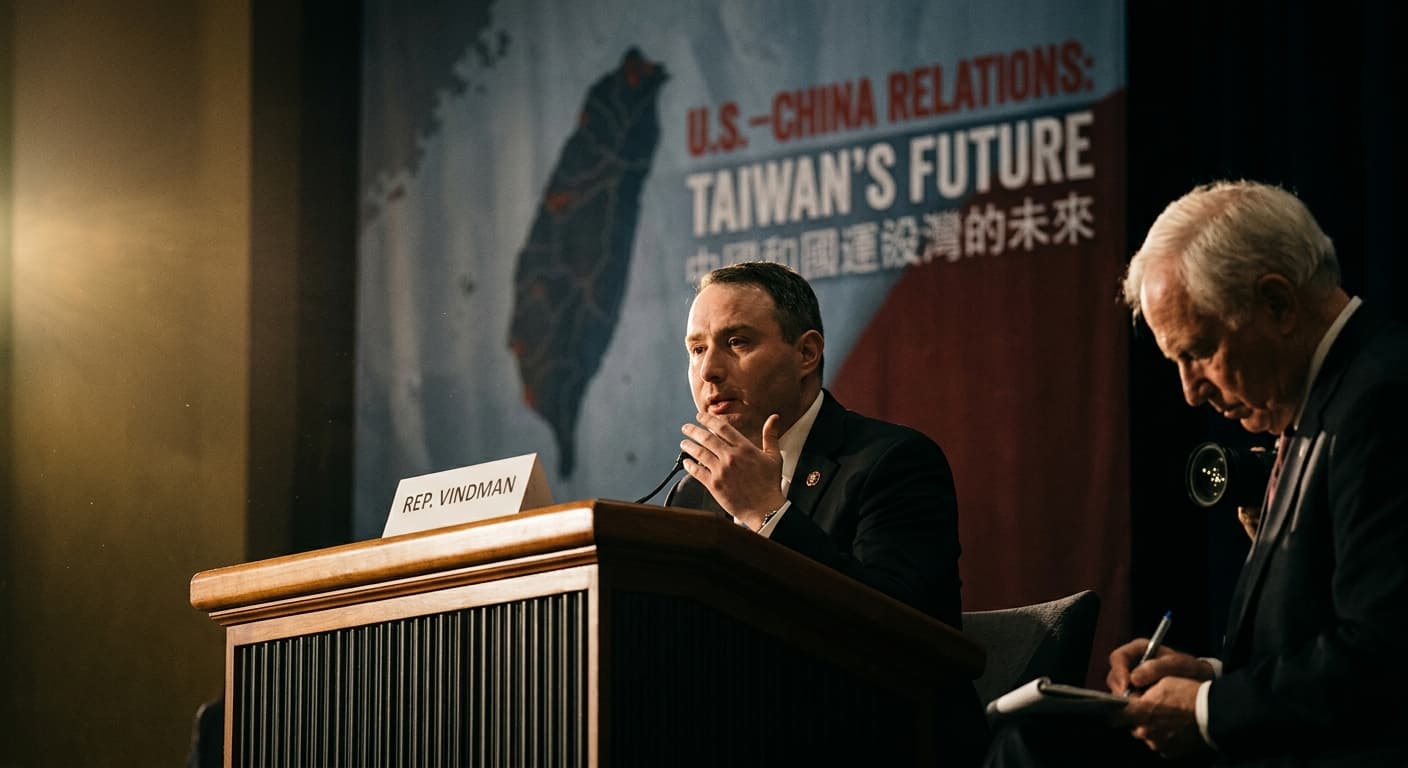
Vindman's Call for U.S. Response to China
Rep. Eugene Vindman highlights the urgent need for a U.S. strategy to counter China's gray-zone tactics against Taiwan, emphasizing economic stakes.
Global
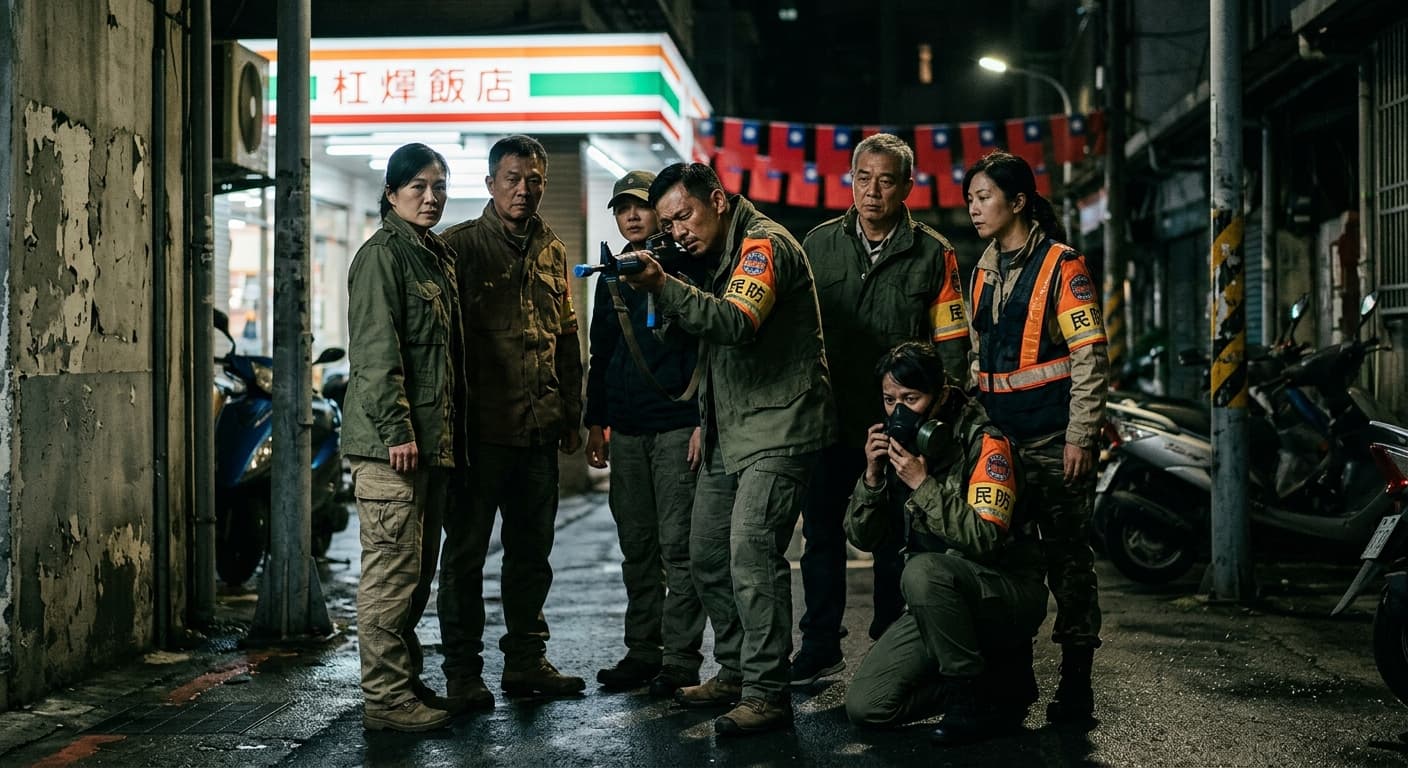
Taiwan's Civil Defense: Deterrence Strategy
Taiwan's National Security Council emphasizes civil defense drills as a deterrent against Chinese military aggression, amid budget cuts and rising tensions.
Global
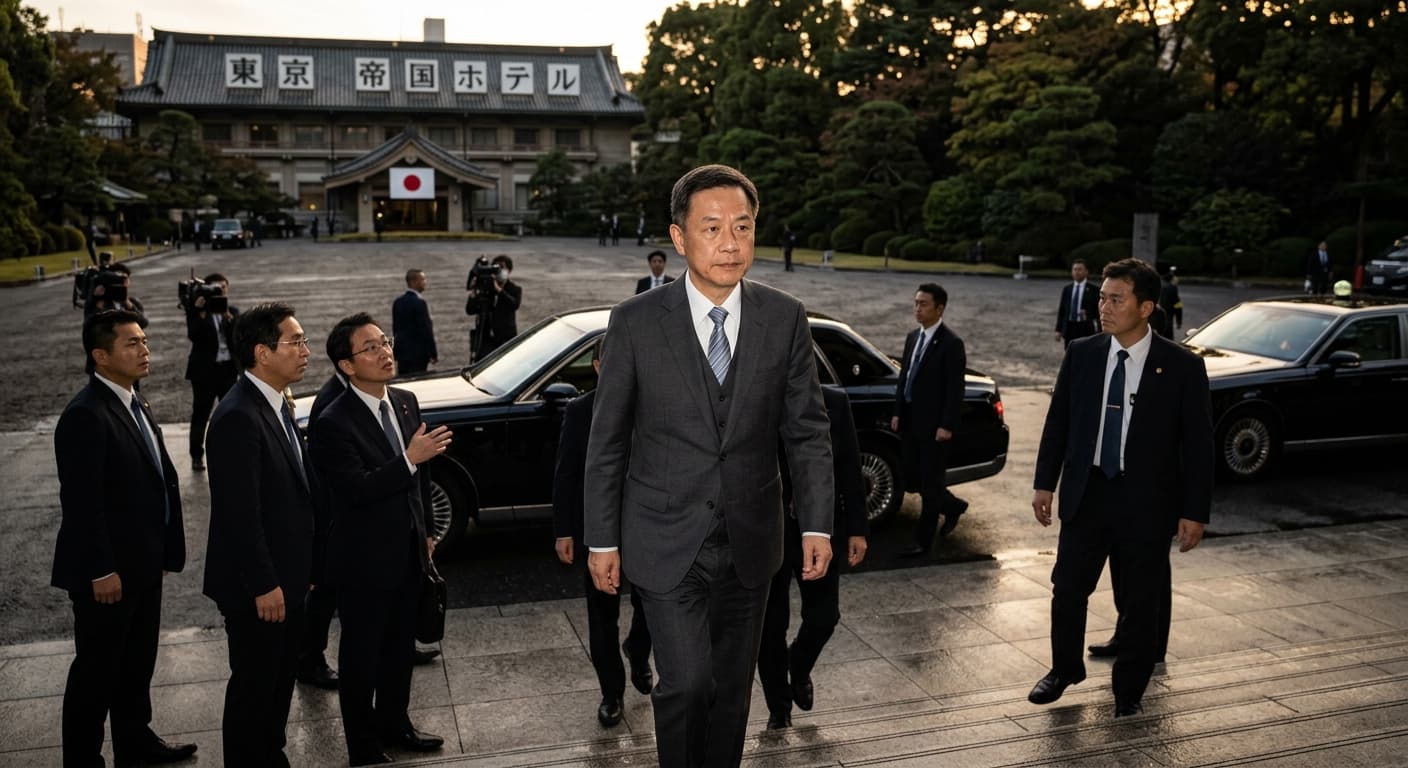
Taiwan Premier's Historic Tokyo Visit
Taiwan Premier Cho Jung-tai's visit to Japan breaks a 54-year precedent, signaling a shift in Indo-Pacific dynamics amid China's coercion.
Global Politics
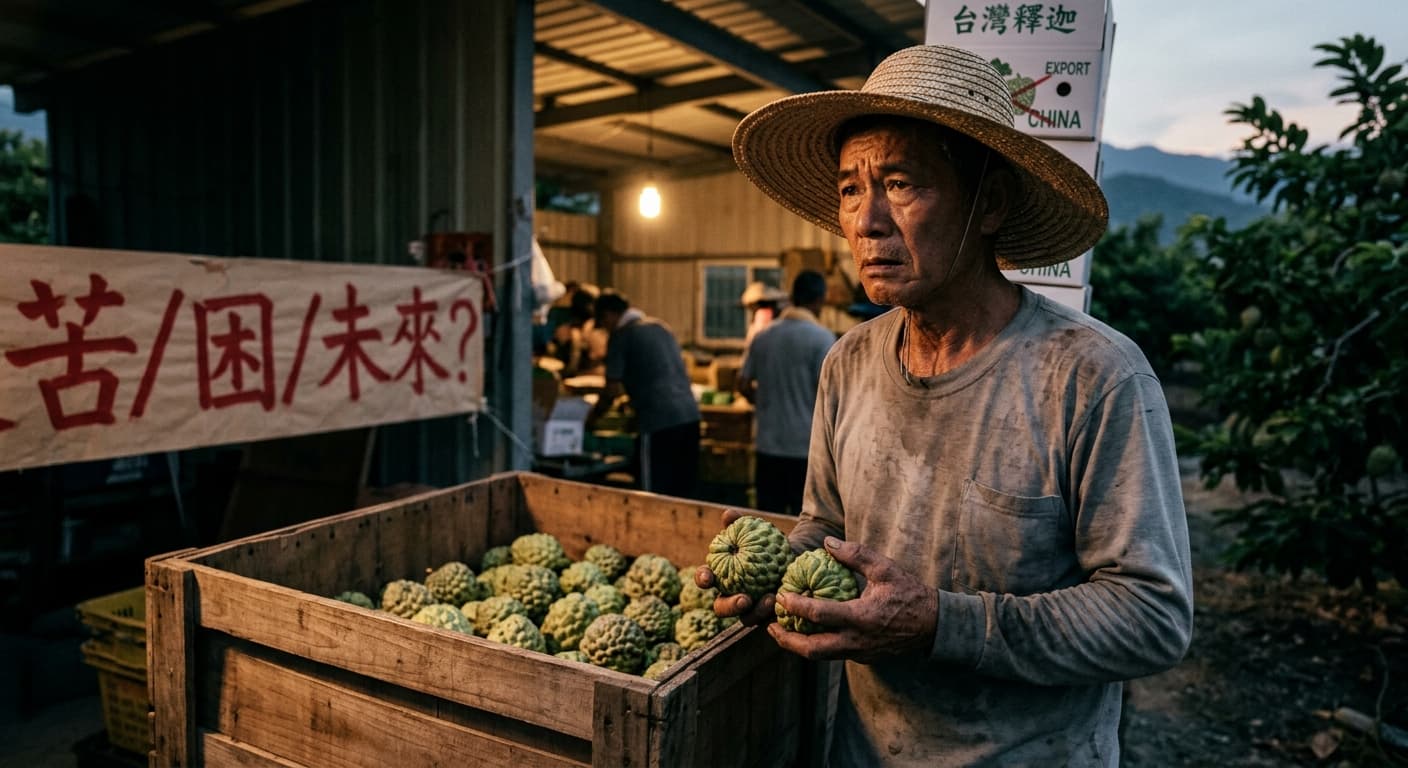
China's Atemoya Pledge Exposes Taiwan's Trap
China's atemoya import pledge exposes Taiwan's bind, straining ties between farmers and government as Beijing wields trade as a coercive political tool.