Strait of Hormuz Reopens Amid US-Iran Tension
Iran opens the Strait of Hormuz under a ceasefire deal with the US blockade.
Model Diplomat3 min readMiddle East

Strait of Hormuz Reopens Amid US-Iran Tensions: Diplomatic Chessboard Shifts
Iran declares the Strait of Hormuz fully open under a ceasefire deal, while the US maintains a naval blockade—an uneasy balance with global stakes.
The Strait of Hormuz, a crucial artery for global oil shipments, reopened to commercial vessels on April 17, 2026, after weeks of heightened regional tension. Iran announced the waterway is “completely open” as part of an emerging ceasefire framework with Israel and Lebanon, signaling a possible step back from escalating confrontation. However, US President Donald Trump affirmed that while the strait is technically open for business, the US Navy continues a blockade on Iranian vessels, underscoring a fragile and contradictory reality.
Why the Strait of Hormuz Matters
About 20% of the world’s petroleum passes through this narrow channel between the Persian Gulf and the Gulf of Oman, making it a strategic choke point in international energy markets. Closing or restricting transit here can spike oil prices globally and disrupt supply chains in Asia, Europe, and North America.
Iran’s announcement that the strait is open under a ceasefire framework—particularly one including Israel and Lebanon—suggests a rare diplomatic breakthrough, given the deep-rooted animosities and proxy conflicts in the region. Tehran’s move is a bid to signal stability and avoid further economic sanctions pressures while projecting influence in a complex regional negotiation landscape.
The US, conversely, maintains a naval blockade specifically targeting Iran, designed to limit Tehran’s ability to move military goods and exert regional leverage. President Trump’s acknowledgment that the strait is “open for business” but still effectively controlled by the US reflects Washington’s dual approach: avoid choking global oil supply entirely, which would destabilize markets and allies, while keeping maximum pressure on Iran.
The Broader Diplomatic Ripple Effects
Iranary openness hints at possible shifts in the Middle East power dynamics. The framework involving Israel and Lebanon is notable since direct talks or ceasefire frameworks among these actors are unusual. This could be a sign Tehran is prioritizing regional de-escalation or at least containment to avoid a broader war that could devastate its economy and military options.
For global powers like China, Europe, and India, all heavily dependent on Gulf oil flows, reopening the Strait provides some immediate economic relief—but with caution. The continuing US naval presence ensures the risk of incidents persists. These powers now face a balancing act: support diplomatic normalization while preparing contingency plans for potential flare-ups.
For oil markets, this shift could calm the recent volatility caused by months of uncertainty. However, the US blockade signals that supply risks remain, particularly if either side escalates sanctions enforcement or military maneuvers.
What to Watch Next
- Ceasefire Implementation: Will the framework including Israel and Lebanon lead to broader peace talks or localized calm? This will be a key test of Tehran’s diplomatic gambit and Washington’s response.
- US Naval Posture: The evolution of the US blockade and naval deployments will reveal whether Washington opts for sustained containment or gradual easing in line with diplomatic progress.
- Market Reactions: Watch oil price trends and strategic reserves moves as traders and governments assess the real risk of future closures or confrontations.
- Regional Alliances: The posture of Gulf Arab states, especially Saudi Arabia and the UAE, will be critical—they are key US partners but also wary of Iran’s regional ambitions.
This opening of the Strait of Hormuz represents more than just a passage for tankers; it is a litmus test of regional diplomacy’s fragility and complexity in 2026. The delicate interplay of Iranian signaling, US military strategy, and broader geopolitical interests will shape whether this narrow waterway becomes a corridor of conflict or cooperation going forward.
Explore more on International Relations and the
Iran profile for deeper context.
World reacts to the opening of the Strait of Hormuz amid US-Iran conflict
Discover more

Global Politics
Day 47 of US-Iran Conflict
On day 47 of the US-Iran conflict, Red Cross aid reaches Iran as military strikes continue, underscoring a tangled humanitarian and geopolitical crisis.

Global Politics
China's New Strategy for Taiwan and Japan
China softened its stance on Taiwan and Japan, eyeing the 2028 election and regional stability as Middle East turmoil reshapes its geopolitical calculations.
US Politics
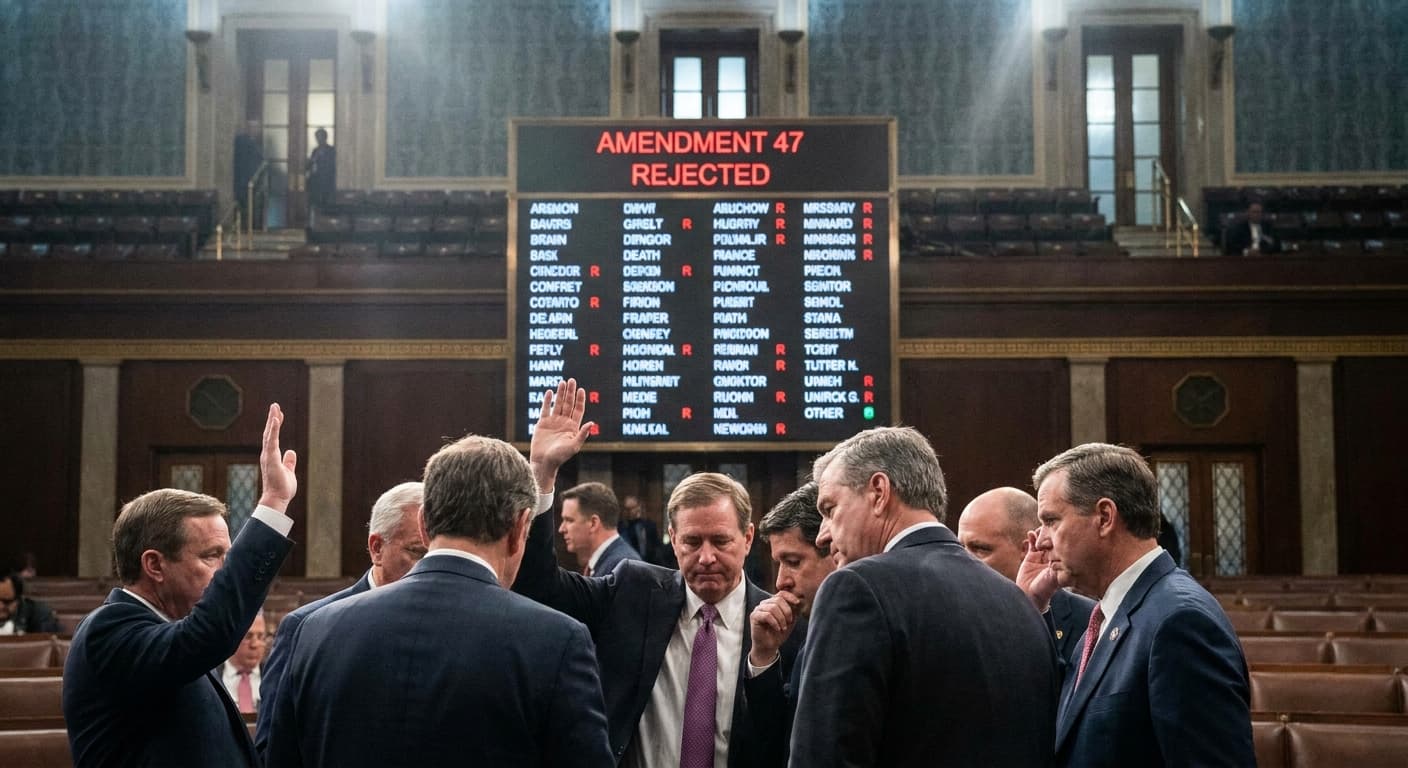
House Rejects Resolution on Trump's Iran Host
The House voted down a resolution to limit Trump's military actions in Iran, laying bare partisan divides and reigniting debate over presidential war powers.

Conflict & Security
Drone Warfare Killing Aid Workers at Unprec
Over 1,000 humanitarian workers killed in three years as cheap armed drones collapse legal protections. Gaza, Sudan, Ukraine, and DRC see deliberate targeting of aid convoys and hospitals with zero prosecutions.