Taiwan Arms Pause Shows Trump’s Leverage
Analysis of Taiwan arms sales and US-China relations
Model Diplomat2 min readAsia
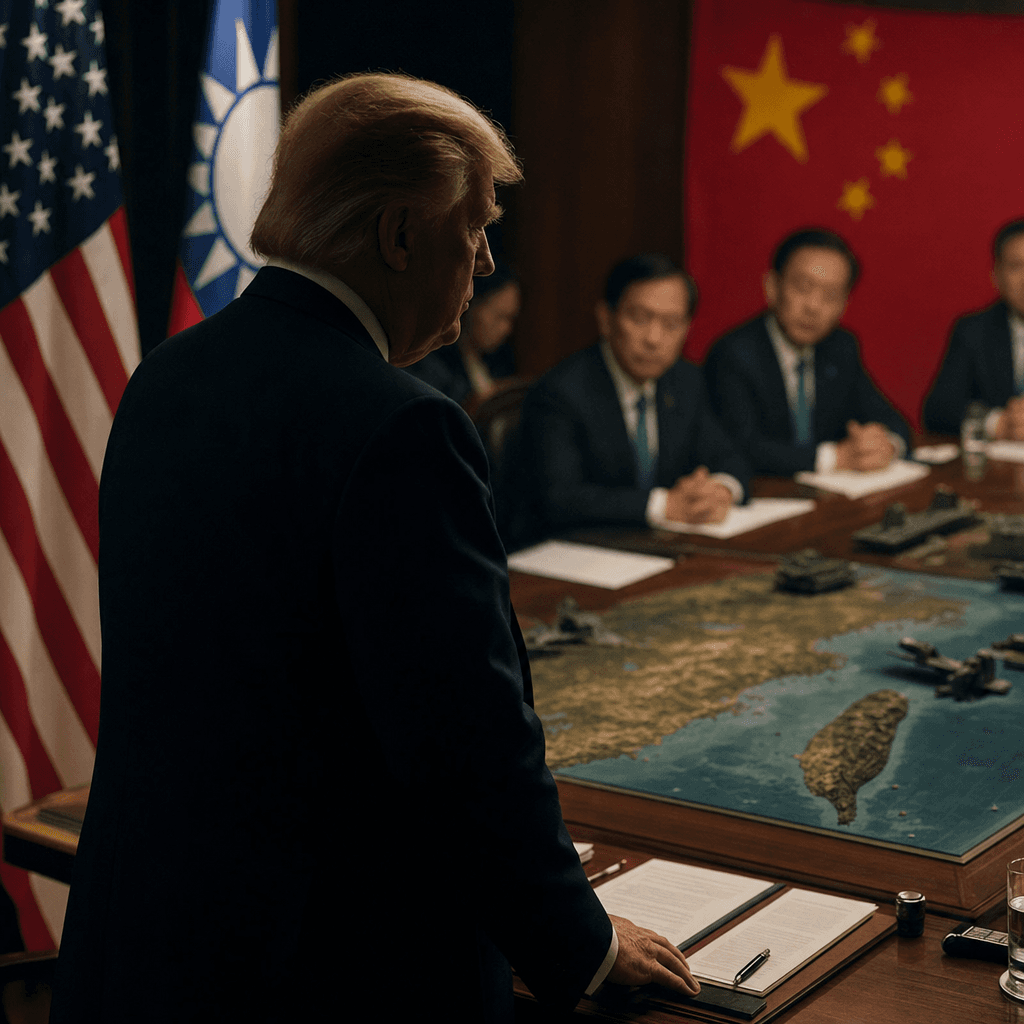
Taiwan Arms Pause Shows Trump’s Real Leverage Over China
Hung Cao said Taiwan sales were paused for Iran munitions, but experts say Trump is really using the package as China leverage.
The immediate power shift is not in the Taiwan Strait; it is in the White House. Acting Navy Secretary Hung Cao told senators the administration had put a $14 billion arms package for Taiwan on pause so Washington could conserve munitions for the Iran war, but Taiwan said it had not been told of any adjustment and analysts quickly called the explanation thin The Guardian,
BBC.
Iran is the stated reason, not the convincing one
The problem with Cao’s explanation is timing and procedure. The package was already approved by Congress in January, and the sale still needs the president’s sign-off before contracts and delivery can even begin Al Jazeera. That means a short-term missile shortage would not normally explain a pause in a deal whose actual delivery horizon is measured in years, not weeks. Rupert Hammond-Chambers of the US-Taiwan Business Council told The Guardian the claim “makes no sense” and said there was a “very very low likelihood” of a real connection to Iran
The Guardian.
That matters because the administration is not talking about a battlefield resupply problem; it is talking about a political choice. If this were purely about inventories, officials would have a narrow technical fix. Instead, the pause lands in the middle of a broader reordering of US signaling toward Beijing, with Trump already describing Taiwan arms sales as “a very good negotiating chip” BBC.
Trump holds the leverage, and Beijing benefits from delay
This is where the real leverage sits. Trump controls whether the package moves, and that gives him a bargaining asset before further talks with Xi Jinping. Beijing has long opposed US arms sales to Taiwan; any delay, even if framed as temporary, feeds the Chinese argument that Washington’s commitment is conditional BBC,
The Guardian.
The loser is Taiwan’s deterrence posture. Taiwan’s government has spent months trying to reassure voters and allies that US support remains steady, while President Lai Ching-te has argued that American arms are essential to regional stability BBC,
Al Jazeera. A pause now does not just slow a weapons deal; it raises the price of every future request Taipei makes for budget increases and procurement.
What to watch next
The next decision point is whether Trump signs off in the coming weeks. Hammond-Chambers told The Guardian that if approval comes within four to six weeks, the damage to confidence mostly fades; if it drags into autumn, Taiwan will face a much worse strategic picture The Guardian. Watch for two things: the president’s wording on the package, and whether the administration starts treating Taiwan sales as part of a broader bargain with Xi.
Discover more
Global
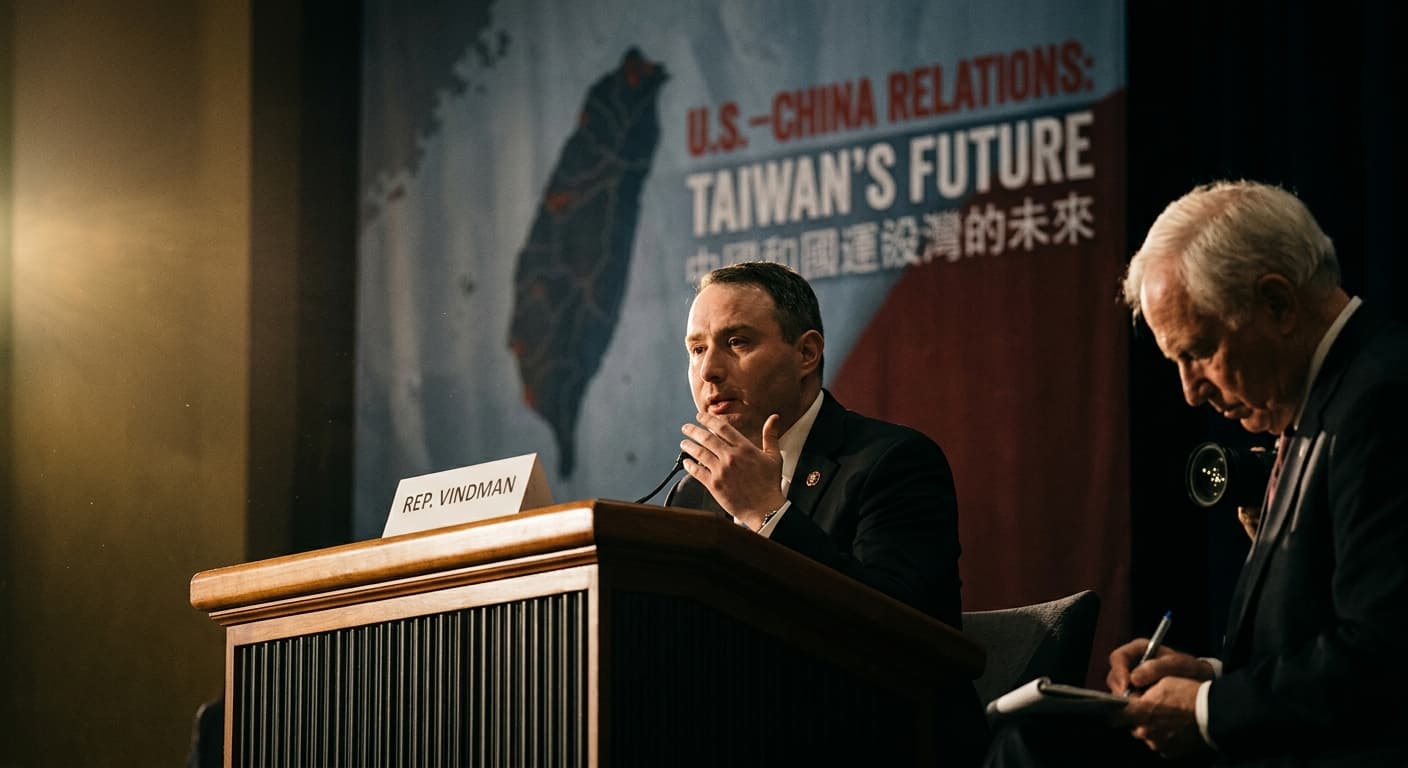
Vindman's Call for U.S. Response to China
Rep. Eugene Vindman highlights the urgent need for a U.S. strategy to counter China's gray-zone tactics against Taiwan, emphasizing economic stakes.
Global
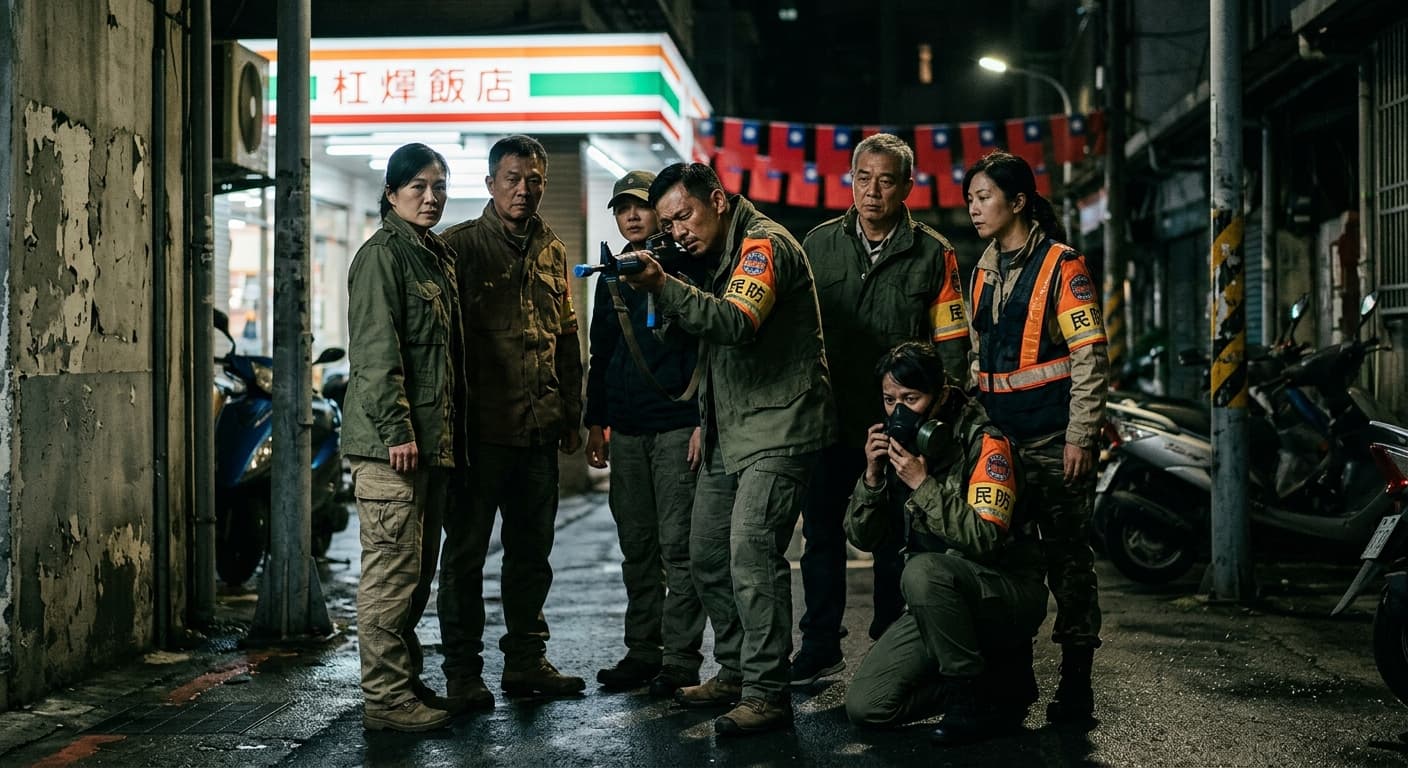
Taiwan's Civil Defense: Deterrence Strategy
Taiwan's National Security Council emphasizes civil defense drills as a deterrent against Chinese military aggression, amid budget cuts and rising tensions.
Global
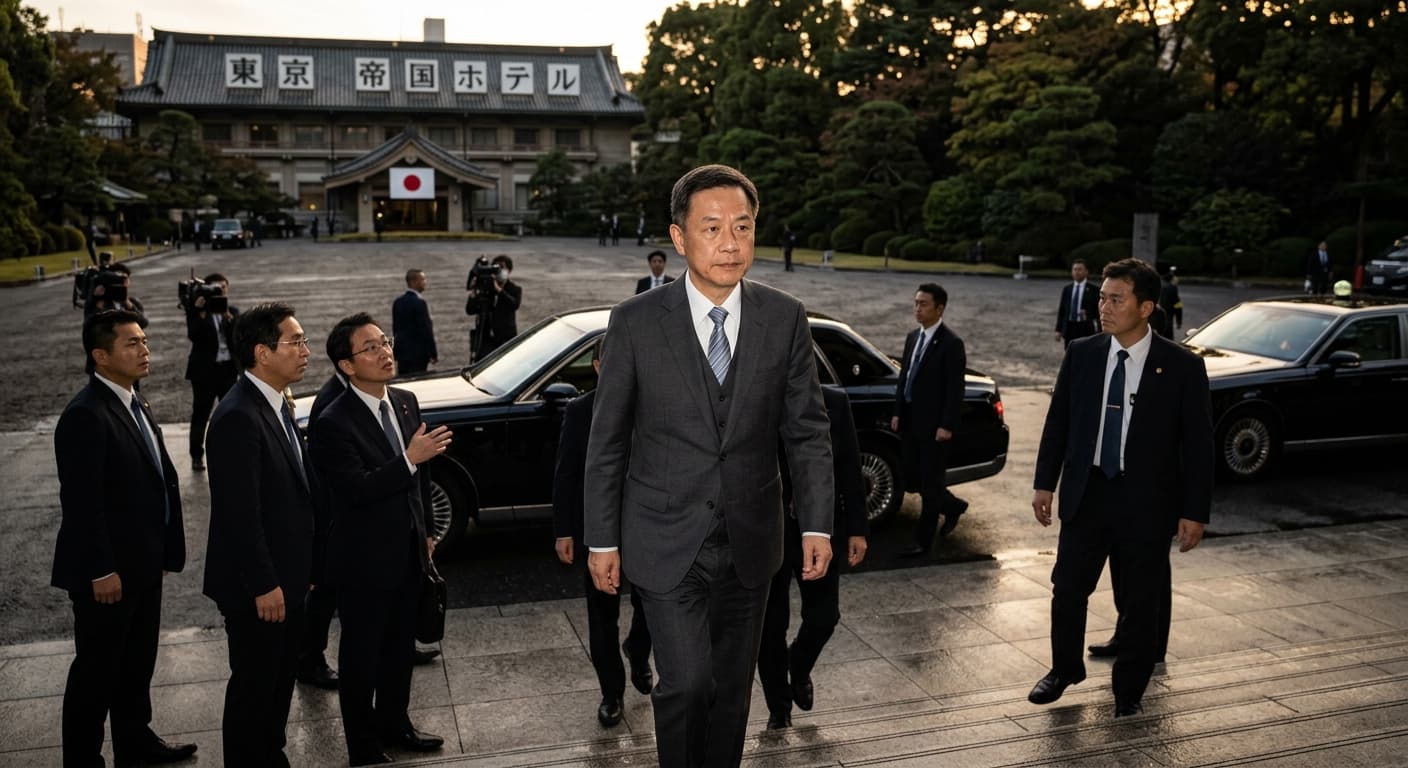
Taiwan Premier's Historic Tokyo Visit
Taiwan Premier Cho Jung-tai's visit to Japan breaks a 54-year precedent, signaling a shift in Indo-Pacific dynamics amid China's coercion.
Global Politics
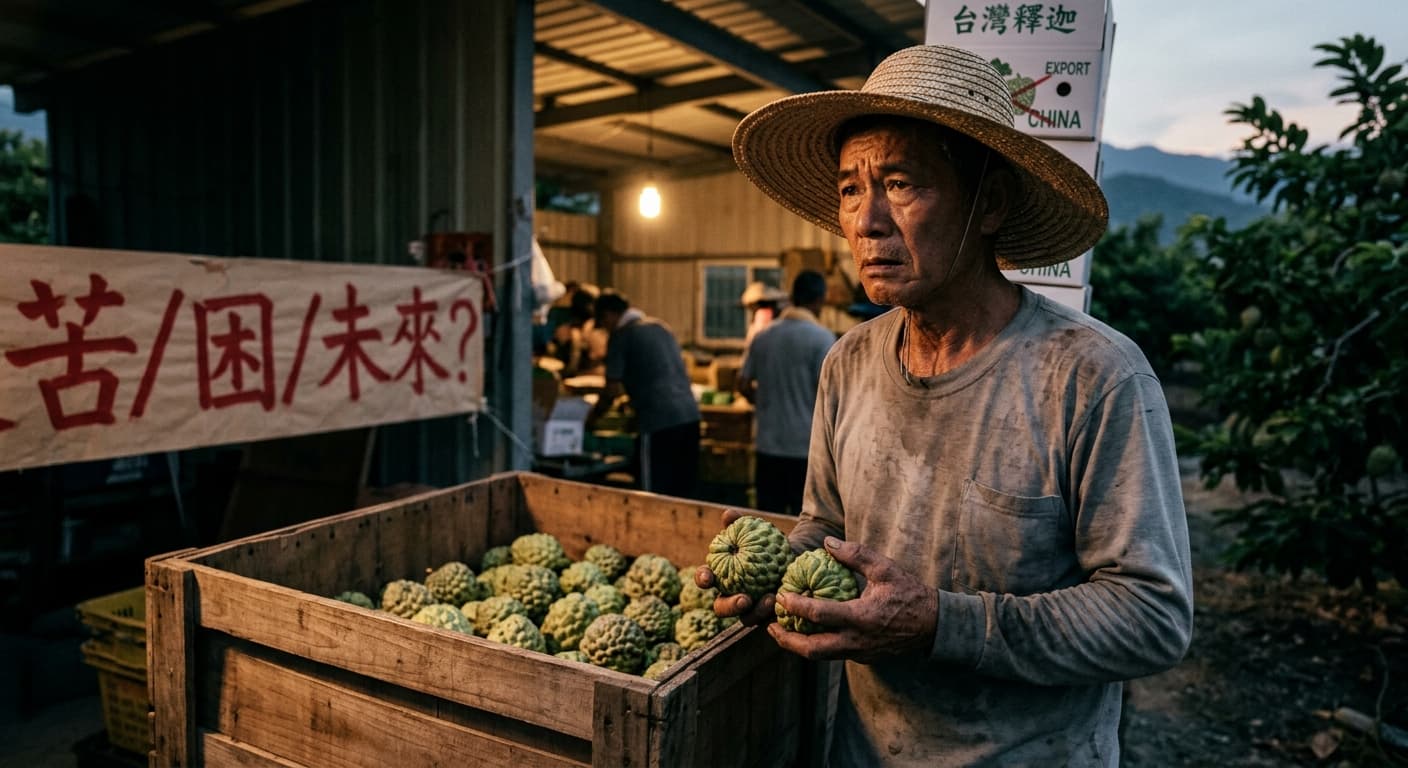
China's Atemoya Pledge Exposes Taiwan's Trap
China's atemoya import pledge exposes Taiwan's bind, straining ties between farmers and government as Beijing wields trade as a coercive political tool.