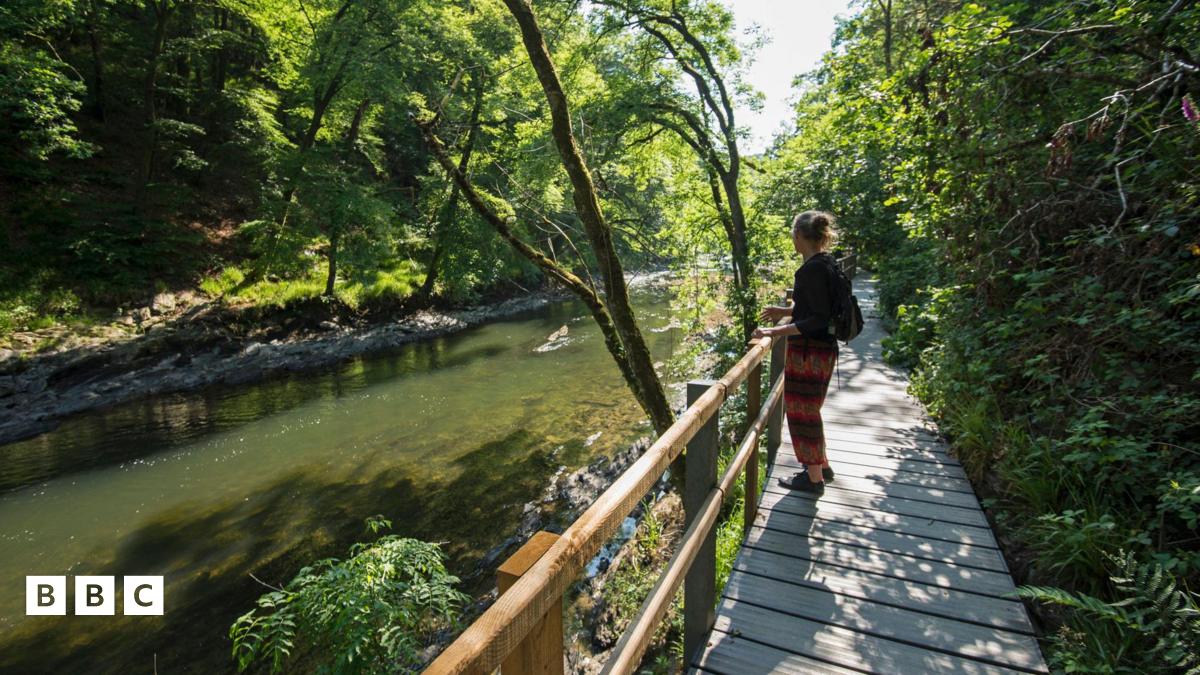
Taith Dyffryn Teifi bets on walkers to lift rural trade
The new 83-mile Teifi Valley trail is a local-growth play: use scenery, heritage and access to pull visitor spend into smaller towns.
The new Taith Dyffryn Teifi route is a bid to turn scenery into spending. Its backers told  BBC Cymru Fyw the 83-mile walk from Llyn Teifi in the Cambrian Mountains to Cardigan is a “special opportunity” for businesses in a hard economic climate, and traders in Llandysul and Aberteifi say walkers are already coming in. This is not a tourism vanity project. It is a rural distribution strategy: move footfall off the coast road and into cafés, pubs, bookshops, B&Bs and village centres.
Why the route is more than a path
The design tells you the intent. The trail follows the Teifi past landmarks such as Strata Florida Abbey and ends in Cardigan; it can be done in about four days, or in shorter 7- to 13-mile sections that finish in towns or villages and can link to public transport, BBC Cymru Fyw reported.  Golwg360 said the route was launched by local walking groups and councils across Ceredigion, Carmarthenshire and Pembrokeshire.
That matters because rural tourism only pays if people can get on, off and stay along the way. Across  Global Politics, this is the familiar local-state bargain: modest infrastructure can shift who captures value. The Teifi route is trying to do what the Wales Coast Path did at scale — turn landscape into repeat traffic and spend. The coastal path was estimated to have added about £32m to the Welsh economy in 12 months, while Ceredigion officials have said every £1 spent on improving footpaths and access can return about £10 to the local economy, according to BBC News and BBC News.
Who benefits, and who still needs to be convinced
The immediate winners are the businesses already on the line: Llandysul’s hospitality trade, Cardigan’s retailers, and the smaller accommodation providers that can catch overnight walkers. The trail also gives local councils and tourism bodies a concrete product to market, rather than a loose collection of scenic spots.
But the exposure is obvious. If access is awkward, public transport thin, or promotion weak, the visitor economy will stay concentrated at the busiest end points. That is the lesson from Ceredigion’s coast path, where walkers still warned that poor bus links kept some people away, even as tourism remained a major local earner, BBC News reported. In other words: footfall is not the same as spend, and scenery is not the same as access.
What to watch next
The next test is whether the Teifi route produces repeat business after the launch coverage fades. Watch Cardigan and Llandysul through the summer, any move to extend the route into the proposed “Celtic loop,” and whether councils fund the maintenance and transport links that make the walk usable beyond enthusiasts, BBC Cymru Fyw said. If the numbers hold, the Teifi Valley will become a template for how rural Wales converts landscape into livelihoods. If they do not, it will be another well-marked route to places that still struggle to keep the money.