Supreme Court Ruling Aids GOP Redistricting
Court limits Voting Rights Act, aiding GOP in redistricting efforts.
Model Diplomat3 min readUnited States

Supreme Court Gives GOP Leverage in the 2028 Map War
By narrowing Voting Rights Act claims, the Court shifts leverage to GOP mapmakers in Texas, Florida, and other states ahead of 2028.
Republican-controlled state legislatures now hold the advantage in the next House redistricting fight. The Washington Post reports that the Supreme Court has limited the Voting Rights Act in a ruling expected to weaken challenges to congressional districts, a change likely to help the GOP convert state-level map control into additional House seats by 2028.[Voting rights ruling could deliver GOP a host of House seats in 2028]
Why the leverage just shifted
The practical effect is not abstract: Section 2 of the Voting Rights Act has been the main federal tool for challenging maps that dilute Black and Latino voting power, especially in the South. CNN reported before the ruling that states were already preparing to use a narrower interpretation of Section 2 to redraw districts with less risk of being forced to create additional minority-opportunity seats.[States ready to seize Supreme Court redistricting decision amid countdown to midterm elections]
That is a direct political gain for Republican legislatures in Texas, Florida, Georgia, and other states with unified GOP control. It is a direct loss for House Democrats, whose coalition relies heavily on districts protected by Voting Rights Act litigation, and for Black and Latino voters in states where cracking and packing claims were one of the few remaining federal checks on mapmakers.[States ready to seize Supreme Court redistricting decision amid countdown to midterm elections]
For the broader US Politics picture, this is less about one case than about who can still use the courts as a veto. After this ruling, that veto is weaker.
The states that stand to cash in
The ruling lands in a system already moving toward more aggressive mid-decade redistricting. CNN’s redistricting tracker says six states have redrawn congressional maps since 2024, and Republicans have more opportunities because they control more state governments while Democrats rely more often on commissions or court-managed processes.[Tracking state congressional redistricting efforts]
Two states matter immediately. In Texas, the Supreme Court in December 2025 revived a redrawn map that Reuters, via CBC, described as designed to add more Republican seats ahead of the 2026 midterms.[U.S. Supreme Court paves way for midterm redistricting in Texas in win for Trump, Republicans] In Florida, Gov. Ron DeSantis unveiled a plan on April 27 that USA Today said could add four GOP-leaning seats if enacted.[
DeSantis releases FL redistricting plan with legal and political risks]
That is the real shift: the Court is not drawing maps, but it is lowering the legal cost of drawing harder-edged partisan ones in the United States.
What to watch next
Watch Florida’s special session, which USA Today reported began April 28, and any follow-on moves in Texas and other GOP-led states with room to redraw before 2028.[DeSantis releases FL redistricting plan with legal and political risks] Watch, too, whether Democratic-led groups can find alternative claims under state constitutions or equal-protection theories now that the federal Voting Rights Act path is narrower.[
Voting rights ruling could deliver GOP a host of House seats in 2028][
Tracking state congressional redistricting efforts]
The next decision point is not at the Court. It is in state capitols in 2026 and 2027. That is where this ruling turns into seats.
Discover more

US Politics
Next Generation Republicans
A leaked survey shows 39% of Republicans under 30 do not identify as MAGA, revealing a split in the GOP's future leadership.

Conflict & Security
Drone Warfare Killing Aid Workers at Unprec
Over 1,000 humanitarian workers killed in three years as cheap armed drones collapse legal protections. Gaza, Sudan, Ukraine, and DRC see deliberate targeting of aid convoys and hospitals with zero prosecutions.
Global
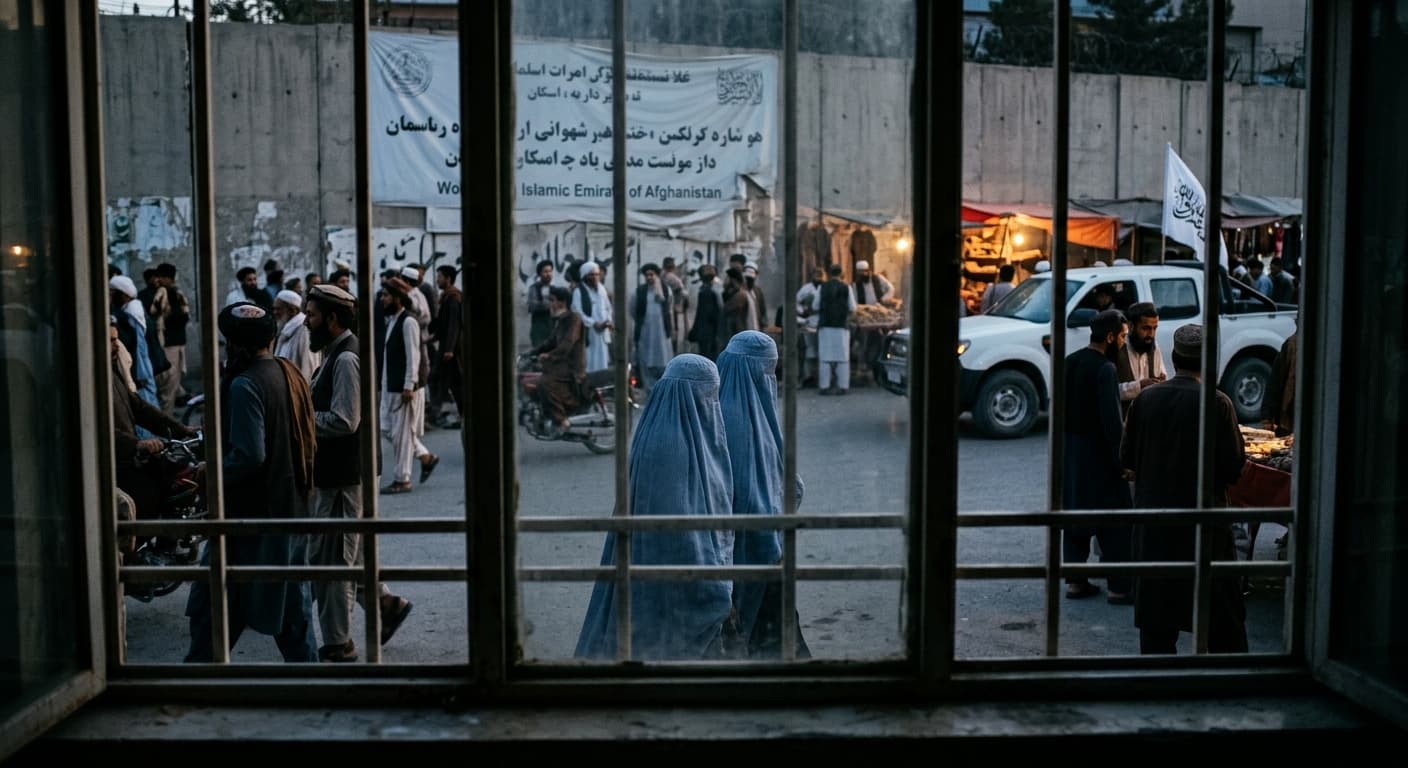
World Normalises Taliban as Afghan Women Eras
UN data shows Afghan women erased from public life as Russia recognises the Taliban, EU hosts officials in Brussels, and ICC warrants for gender persecution go unenforced.
Conflict & Security
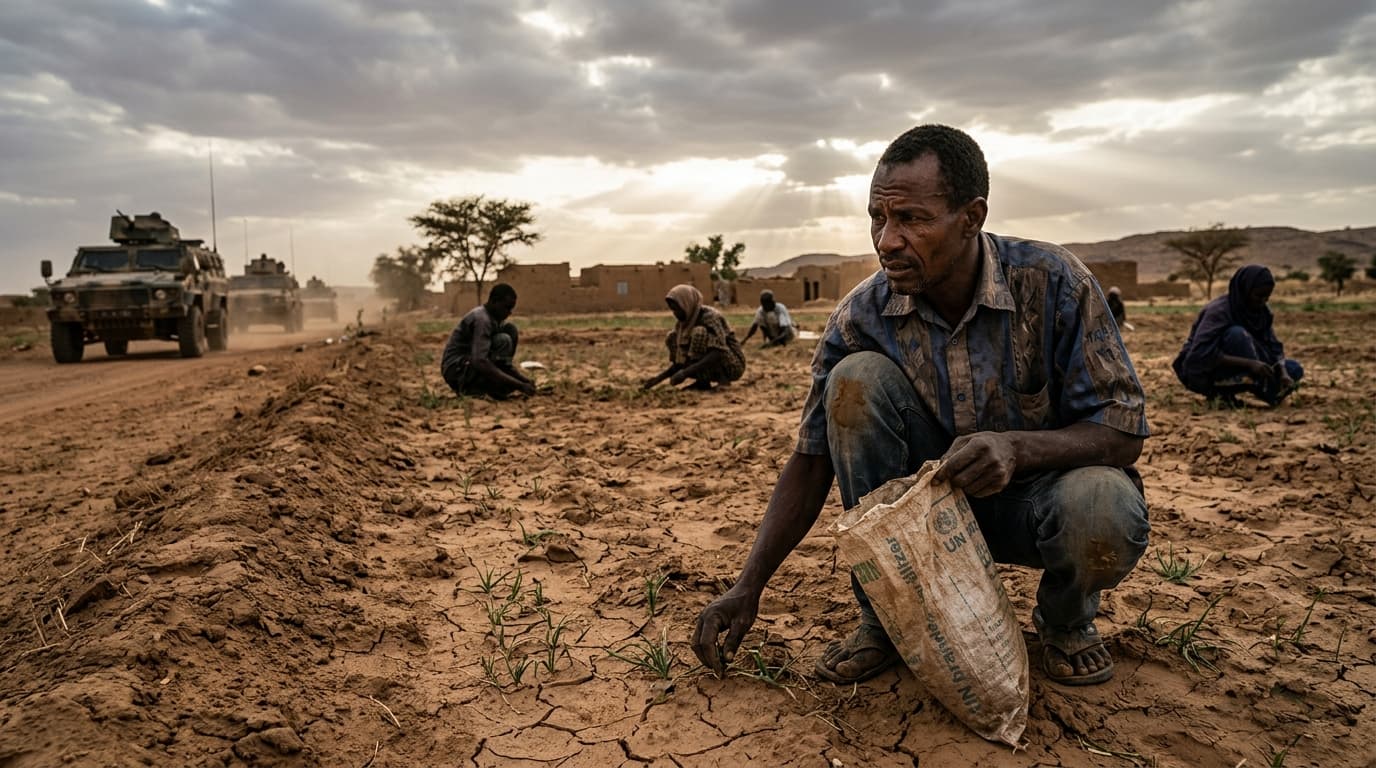
West Africa Food Crisis: Three Shocks in 2026
Conflict, climate extremes, and the Strait of Hormuz closure drive a severe food crisis in West and Central Africa, with fertilizer prices surging 80% and millions displaced.