Supreme Court's Hate Speech Ruling Impact
Court mandates faster action on hate speech enforcement in India.
Model Diplomat2 min readAsia
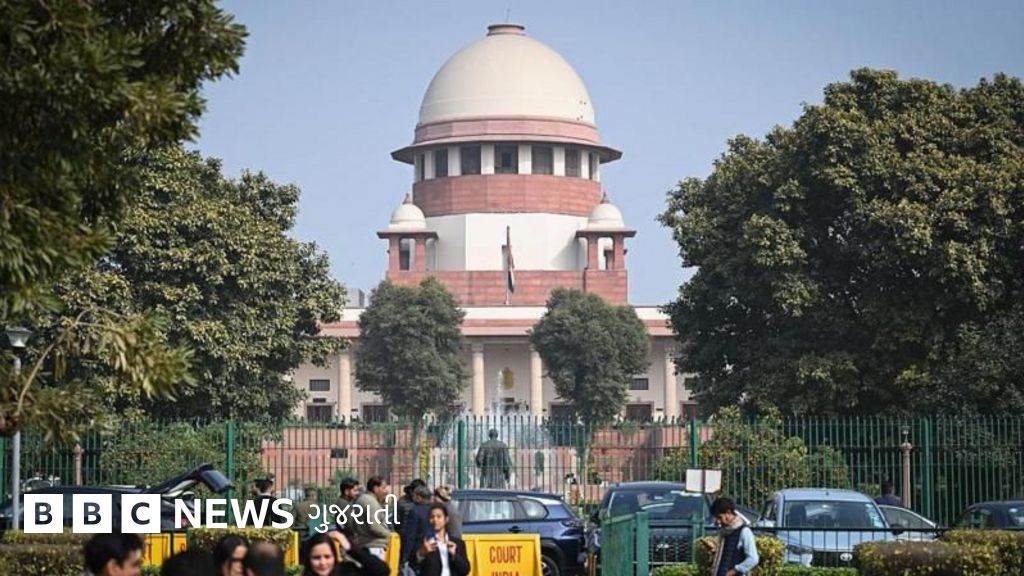
Supreme Court Hate-Speech Ruling Shifts Burden to Police
The court says existing law is enough, pushing police, magistrates and state officials to act faster on leader-driven hate speech.
The immediate power move is by India’s Supreme Court: it is not opening a new legal front on hate speech, but forcing the state to use the tools already on the books. In its April 29 order, the court said hate speech and rumour-mongering corrode fraternity and secularism, yet there is no “legislative vacuum” requiring the bench to invent new offences; the real problem is weak enforcement, not missing law. The Hindu
BBC News ગુજરાતી
What the ruling changes
The court’s practical signal is blunt: police cannot sit on complaints, and magistrates do not need prior sanction before taking cognisance in hate-speech cases. That matters because it lowers the procedural shelter that has often insulated politically connected speakers while complaints move slowly through the system. The BBC Gujarati report says the bench also kept only a limited set of cases under active consideration, while leaving the broader legal framework intact. BBC News ગુજરાતી
The Hindu
That shifts leverage away from the courtroom as a venue for constitutional lawmaking and toward the executive machinery that actually decides whether a case moves at all. If police register FIRs promptly and magistrates do not require a sanction gate, the cost of hate speech rises for politicians and local officeholders. If they do not, the ruling becomes another paper standard.
Who benefits, who loses
The clearest beneficiaries are complainants and civil-society petitioners who have been trying to get hate-speech allegations past police delay and procedural deflection. The ruling also strengthens the hand of lower courts and state officers who want legal cover to act quickly. The Hindu notes that the court reiterated immediate FIR registration on complaint and said prior sanction is not required at the stage of cognisance, which should narrow the space for administrative stalling. The Hindu
The losers are the politicians who rely on communal rhetoric as a campaign tool. BBC Gujarati’s framing is important here: the court is not merely talking about offensive speech, but about language that can shape electoral mobilisation and public order. That is why the ruling has implications beyond any one party case — it raises the reputational and procedural risk for leaders who test the line between coded sectarian messaging and outright incitement. BBC News ગુજરાતી
What to watch next
The next decision point is not another grand judgment. It is whether state police and magistrates follow through in the next round of complaints, especially in politically sensitive cases. Watch for any High Court practice directions, any new FIRs, and whether state governments treat the ruling as a compliance order or just another advisory. If enforcement tightens, the effect will show up first in election-season speech discipline; if not, this will become a useful precedent with limited bite. For a broader view of the politics around it, see India and
Global Politics.
Discover more
India
UN Expert Albanese: India Violates Law
UN Rapporteur Francesca Albanese claims India is breaching international law, raising human rights issues in Kashmir and beyond.
Global Politics
Iran Releases $12B Frozen Assets Deal
Iran secures $12 billion in frozen assets as US lifts oil sanctions under new deal.
India
India-UK Trade Pact Removes Tariffs on 99%
India's trade pact with the UK eliminates tariffs on 99% of exports, but execution risks loom.
International Relations
US Releases $12 Billion in Frozen Iranian Aid
The US releases $12 billion in frozen Iranian assets, signaling a shift in negotiations.