Supreme Court Lets Sedition Cases Move — If Accused Agree
The court narrowed its 2022 freeze on Section 124A, letting appeals and trials proceed when defendants do not object.
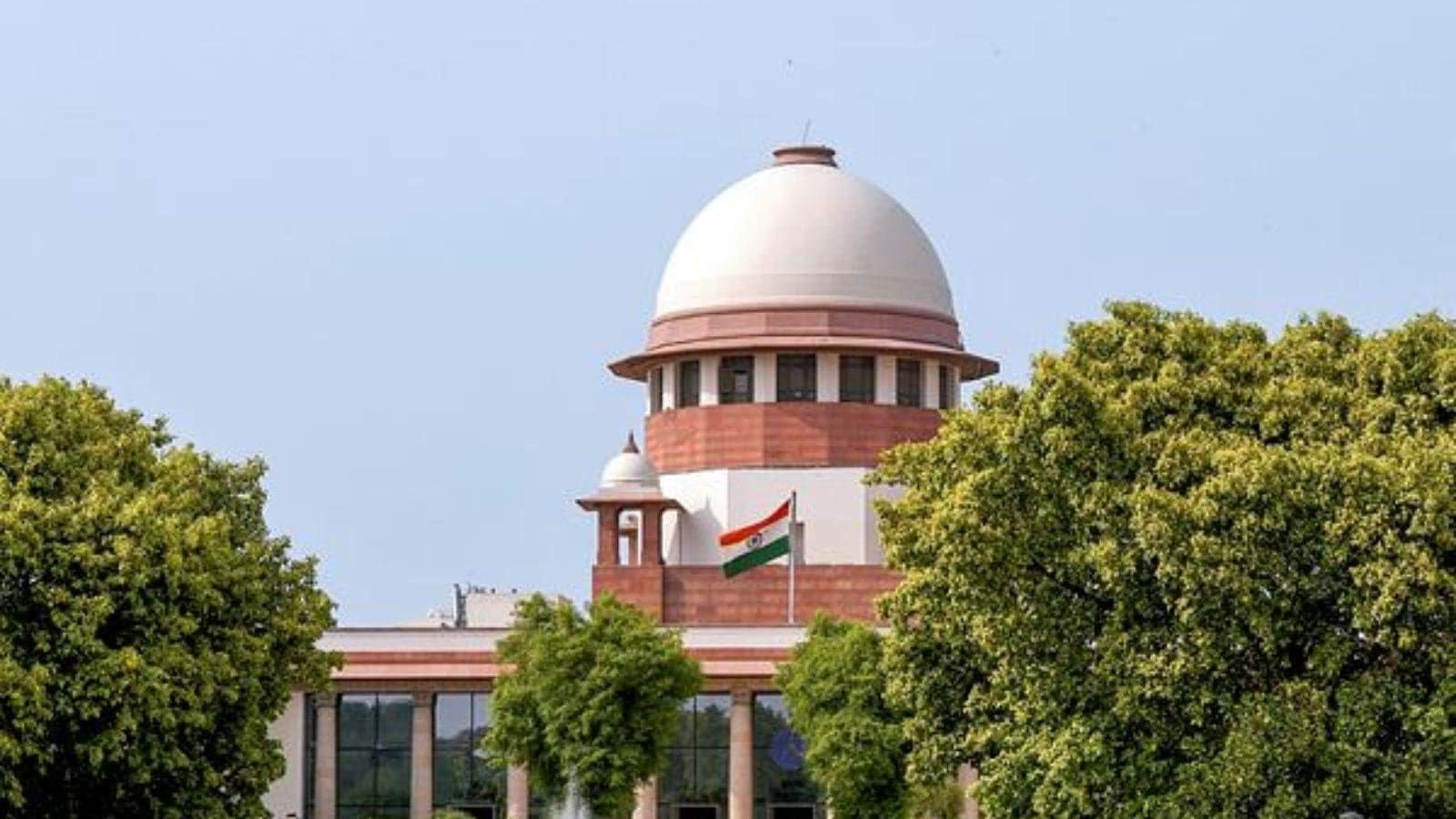
The Supreme Court has converted its sedition freeze into a consent-based rule, saying courts may hear pending trials, appeals and other proceedings under Section 124A of the IPC if the accused has no objection, according to  The Indian Express and
  The Hindu. The clarification came while the court heard a plea from a man who has reportedly spent 17 years in custody in a sedition-linked case, and who asked for his appeal to be decided in full, including the sedition charge, The Hindu reported.
What changed
This is not a revival of sedition law in full. It is a procedural narrowing. In May 2022, the court had ordered that all pending sedition trials, appeals and proceedings be kept in abeyance while the Union re-examined Section 124A, and it also expected the Centre and states to stop fresh FIRs and coercive steps under the provision, The Hindu reported. The new order says that where the accused does not object, there is no legal impediment to deciding the case on merits, The Indian Express reported.
That matters because the 2022 freeze had effectively turned Section 124A into a dead letter for pending cases. Now the court is separating two groups: accused people who want their cases resolved, and those who benefit from delay because the sedition charge is stalled. For the first group, the order is useful. For the second, the freeze still works as leverage.
Why it matters for  India
India
The practical effect is to give lower courts a way out of procedural limbo without waiting for a final constitutional ruling. That helps the judiciary clear old cases and reduces the number of defendants sitting in prolonged uncertainty. It also helps the state in cases where it wants conviction or acquittal settled rather than endlessly deferred.
But the political signal is narrower than it looks. The court has not endorsed sedition; it has only said willing accused can be heard. That preserves the larger pressure on the Union to finish its promised review of Section 124A, which the court first froze in 2022 amid criticism that the law was being used to suppress dissent, according to The Hindu.
The beneficiaries are obvious: courts that want cases off their dockets, and accused persons who want closure. The losers are agencies and states that depended on the blanket freeze to keep politically sensitive cases in suspension.
What to watch next
The next decision point is whether high courts start moving sedition appeals immediately, especially in older cases with long pre-trial detention. Watch the Madhya Pradesh High Court, which the Supreme Court directed to take up the petitioner’s appeal forthwith, The Hindu reported. Also watch whether the Centre finally closes the loop on its 2022 promise to re-examine Section 124A. Until then, the law remains in a half-suspended state: not gone, not restored, and still politically radioactive.
If the court gets a fresh challenge on the scope of this clarification, the real issue will be whether “no objection” means informed consent — or just another barrier for defendants to clear before they can get a hearing.