Strait of Hormuz Strike: Shipping Crisis Unve
Iran's maritime power impacts shipping and crew safety.
Model Diplomat3 min readMiddle East
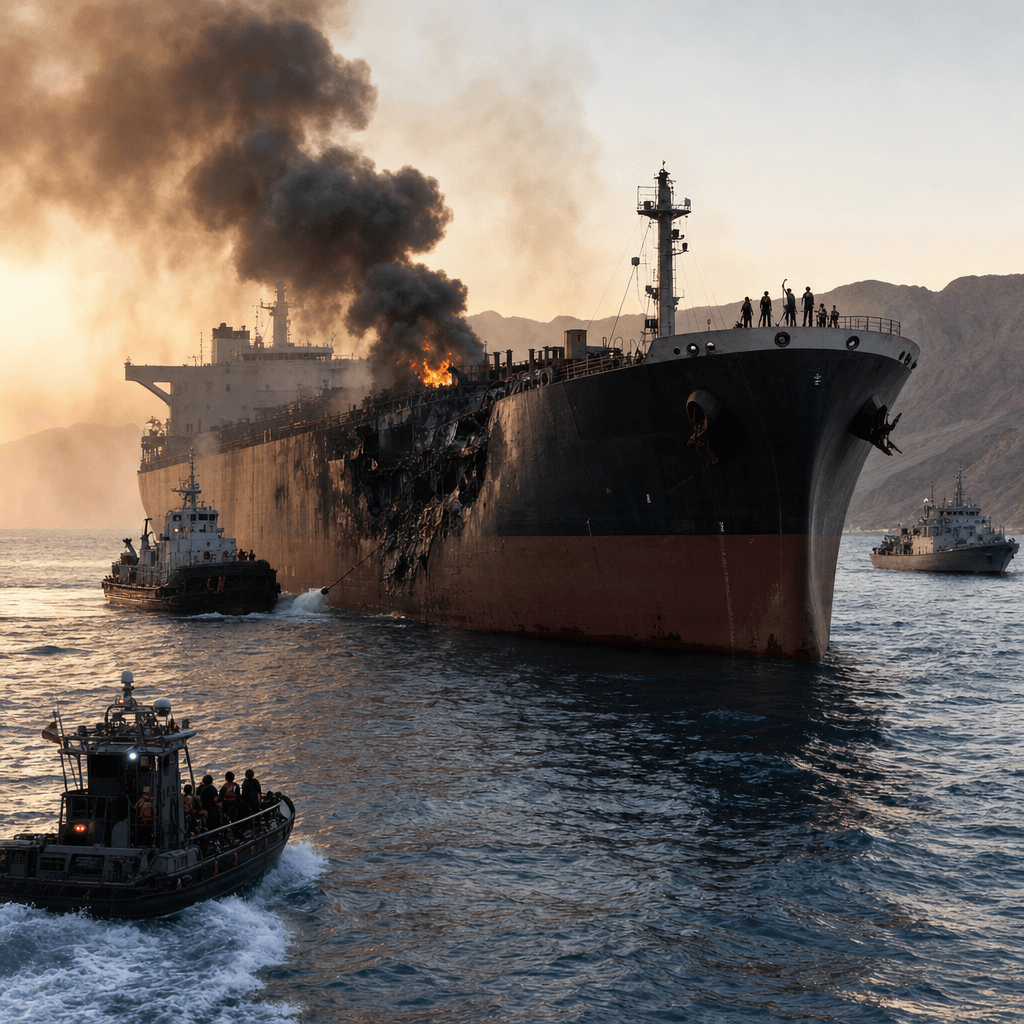
Strait of Hormuz Strike Exposes the Cost of Closure
[A missile strike on the Skylight shows Iran’s choke-point power: crews, not navies, are paying the price as shipping grinds down.]
A missile hit the oil tanker Skylight as it approached the Strait of Hormuz, killing the captain and one Indian sailor and leaving another crewman, Dalip Rathore, missing, according to the BBC. Sunil Puniya, who survived after jumping into the sea, said the ship was hit in the engine room and “the flames were coming towards us” as the crew fled into the water. The Oman Navy rescued survivors within an hour, but Rathore’s body has not been found and the shipowner has not been in contact with the families, the BBC reported. BBC News
The leverage is the waterway itself
This is not just a shipboard tragedy. It is what happens when a regional power turns a maritime chokepoint into a pressure tool. The Strait of Hormuz carries roughly a fifth of global oil and LNG flows in normal times, and once the war expanded, the corridor became a live battlefield. Iran now holds the advantage: by threatening passage, inspection, or outright attack, it raises the cost of the conflict far beyond the immediate target list. That leverage is real because shipping companies, insurers, and crews cannot “decide” to ignore the strait; they have to move through it or reroute at a steep price. ABC News
The BBC’s detail about Skylight being “effectively stateless” and uninsured matters because it shows how quickly accountability collapses in this kind of crisis. When ownership is opaque and insurance is absent, the people left to absorb the risk are the least powerful actors on board: seafarers from India, Bangladesh, and the Philippines. For India, one of the world’s biggest suppliers of merchant mariners, the war is now producing a labor and consular problem, not just a foreign-policy one.
Who pays, and who can wait
Reuters, reporting on the wider shipping crisis, said more than 20,000 sailors are stuck on around 2,000 vessels in the Gulf, as Iran hardens its effective closure and demands permissions and fees for passage. It also quoted the International Transport Workers’ Federation describing mounting cases of abandonment, delayed pay, and shortages of food and fresh water. That is the real second-order effect: the military contest is being transferred onto civilian logistics, and the bill is landing on crews who have no vote in the war. Reuters
The losers are clear. Indian ship crews lose wages, safety, and in some cases their lives. Gulf exporters lose throughput. Shipowners lose schedules and potentially claims. Insurance markets lose predictability. The near-term winner is Tehran, which can use the strait as a bargaining chip while Washington and its partners try to keep trade moving without conceding control of the route.
What to watch next
Watch two decisions. First, whether Iran further formalizes its control of transit through the Strait of Hormuz, as Reuters reported with a new authority and map asserting wider claims over the waterway. Second, whether the U.S. or Gulf states expand escort, rescue, or resupply efforts for stranded crews. If neither happens, the operational story will stay the same: more ships stuck, more crews exposed, and more families waiting for identifications that never come.
Discover more

Global Politics
US Seizes Iranian Ship, Tensions Surge
The US seizure of the Iranian ship Touska highlights a shift in control over the Strait of Hormuz, favoring Iran's strategic position.

Conflict & Security
Drone Warfare Killing Aid Workers at Unprec
Over 1,000 humanitarian workers killed in three years as cheap armed drones collapse legal protections. Gaza, Sudan, Ukraine, and DRC see deliberate targeting of aid convoys and hospitals with zero prosecutions.

Global
World Normalises Taliban as Afghan Women Eras
UN data shows Afghan women erased from public life as Russia recognises the Taliban, EU hosts officials in Brussels, and ICC warrants for gender persecution go unenforced.
Conflict & Security
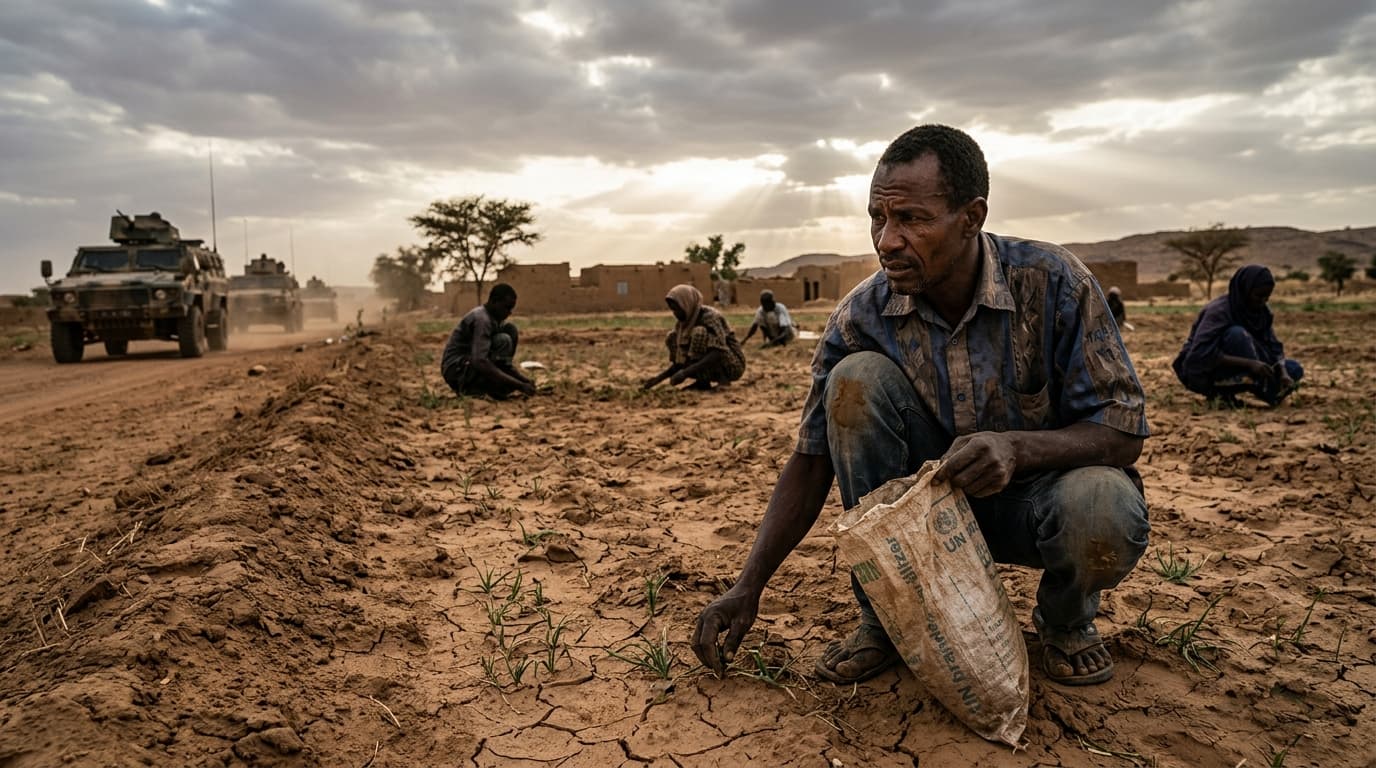
West Africa Food Crisis: Three Shocks in 2026
Conflict, climate extremes, and the Strait of Hormuz closure drive a severe food crisis in West and Central Africa, with fertilizer prices surging 80% and millions displaced.