Stalin Warns Modi on Tamil Nadu Delimitation
Tamil Nadu CM cautions PM Modi over electoral boundary changes
Model Diplomat3 min readTamil Nadu
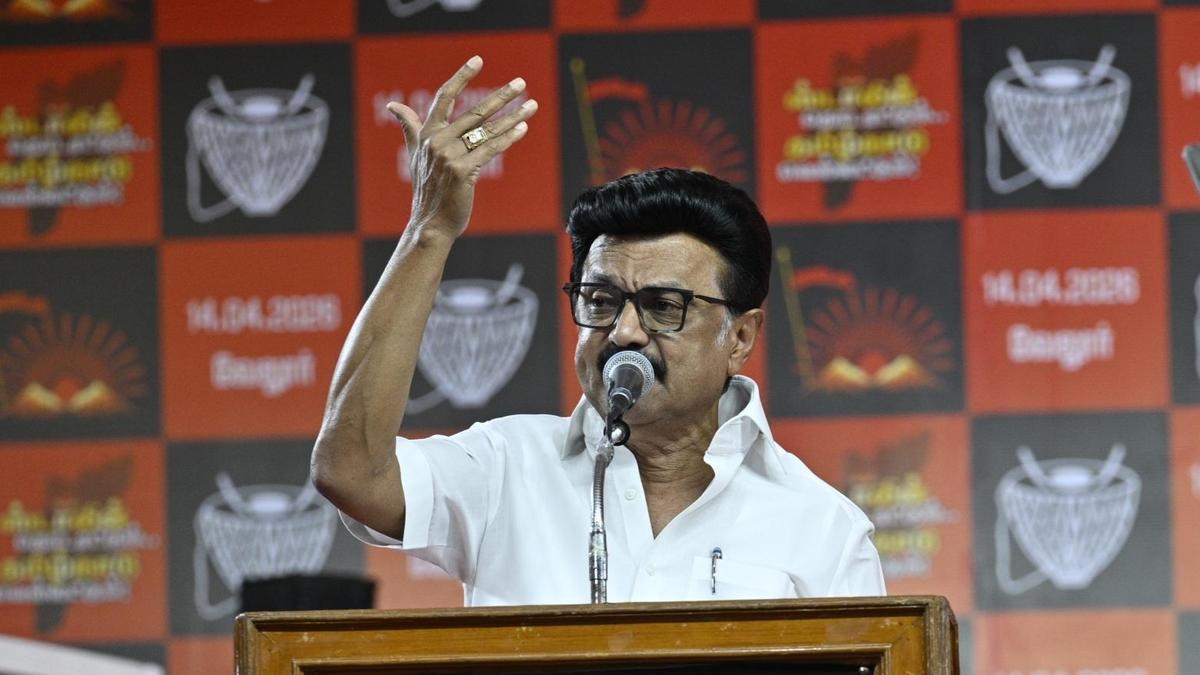
Modi Should Not Play With ‘Fire’, Warns Stalin Over Delimitation Issue
Tamil Nadu CM Stalin’s sharp warning to PM Modi underscores the deep political fault lines around the proposed delimitation exercise in the state.
Tamil Nadu Chief Minister and DMK president M.K. Stalin issued a stark warning to Prime Minister Narendra Modi, cautioning him not to "play with fire" over the contentious issue of delimitation in the southern state. Stalin’s rebuke comes amid growing tensions around the central government’s proposal to redraw constituency boundaries ahead of upcoming elections. He also took aim at Union Minister Piyush Goyal for his remarks about Tamil Nadu, urging him to “mind his tongue” when addressing the state and its people.
Why Delimitation in Tamil Nadu Matters
Delimitation—the redrawing of electoral boundaries to reflect population changes—is a routine but highly sensitive exercise in Indian politics. In Tamil Nadu, the stakes are unusually high because the proposed changes could disrupt established political balances among regional parties, including Stalin’s Dravida Munnetra Kazhagam (DMK) and its rivals.
Since the 1970s, delimitation in Tamil Nadu has been frozen, and the 2001 Census figures have been retained for seat allocation. The Union government’s plan to revisit this freeze threatens to shift seat shares based on more recent demographic shifts. Critics argue this could disproportionately benefit political forces allied with the BJP, Modi’s party, or weaken dominant players like the DMK. It also stokes fears about the erosion of Tamil Nadu’s regional identity and political autonomy — a recurring theme in the state’s politics.
Stalin’s warning to Modi taps into a longstanding Tamil sensibility that external intervention in local politics—especially from the federal center—risks sparking unrest. His blunt caution is also strategic, positioning the DMK as a guardian of Tamil pride and autonomy ahead of the 2026 assembly elections.
The Political Layer: Modi vs. Regional Assertions
Modi’s government has sought to consolidate its presence in southern India, an area where the BJP has historically been weak. Delimitation offers a lever to potentially reshape the electoral map in its favor, but comes at the cost of antagonizing powerful regional parties. Stalin’s message to the prime minister is a reminder that Tamil Nadu's electorate has fiercely defended its political space from perceived encroachments—whether cultural, linguistic, or electoral.
Piyush Goyal’s statements, which Stalin rebuked, show how even rhetoric from Union ministers about Tamil Nadu can inflame tensions. Tamil Nadu’s political culture is highly sensitive to perceived slights or threats from the Centre, often sparking assertive regional backlash.
What to Watch Next
The delimitation exercise in Tamil Nadu is poised to become a significant flashpoint in the run-up to the 2026 assembly elections. Analysts should watch closely for how the BJP navigates these regional sensibilities and whether it can leverage delimitation without spurring a backlash that strengthens the DMK and allied Dravidian parties.
The central government’s approach to consultation or confrontation with Tamil Nadu’s political leadership will be critical. Any move perceived as heavy-handed or dismissive of local concerns risks fueling regional nationalist sentiments and tipping the state’s electoral balance.
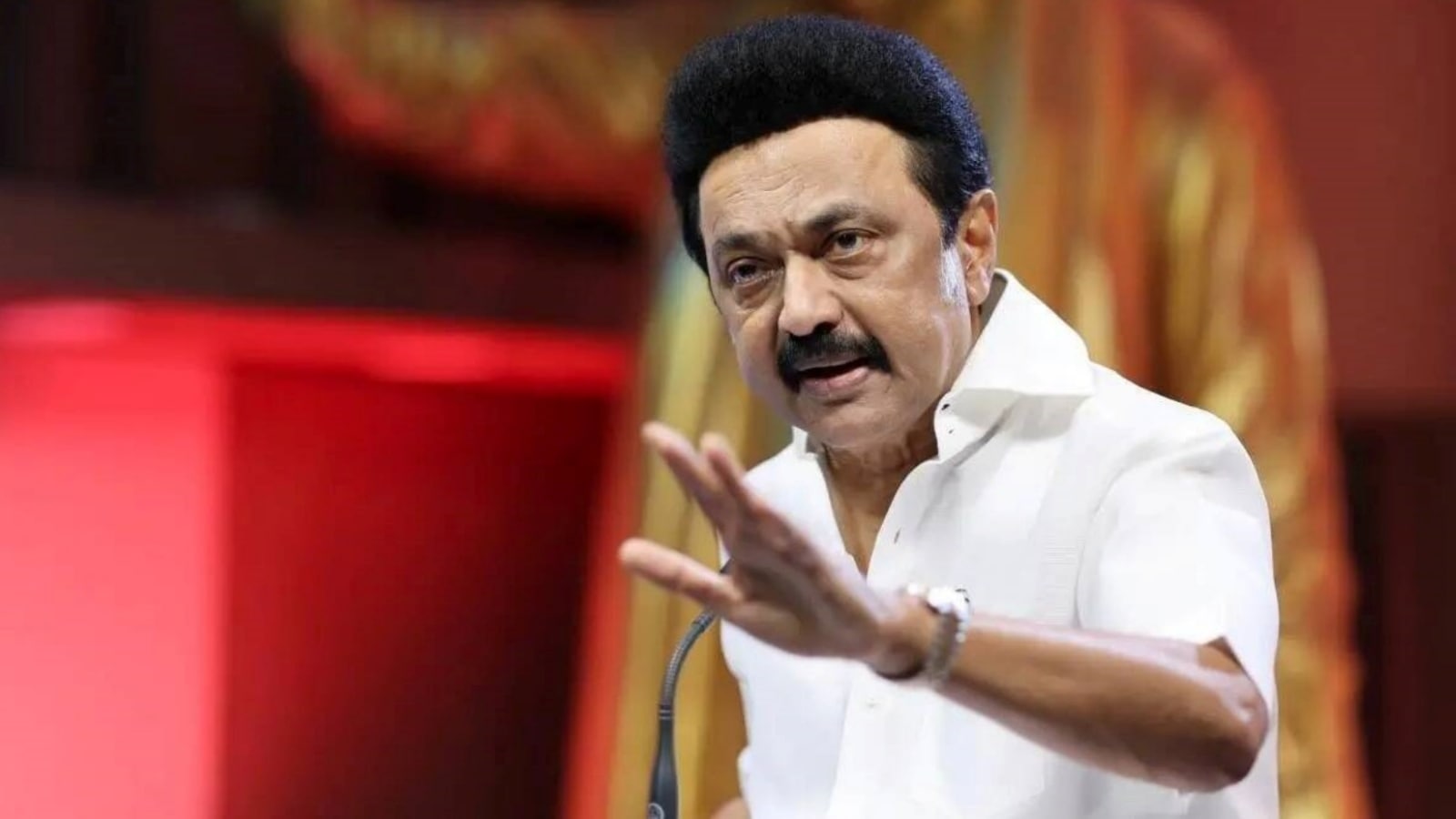
Modi’s relationship with Stalin, pictured recently as tense yet pragmatic, will also be a key barometer. Stalin’s warning underlines that Tamil Nadu's ruling party is ready to mobilize politically if delimitation is seen as a threat—a development with significant consequences for national and regional power dynamics.
For further insight on the Indian political landscape and regional dynamics, see our India profile and explore broader
Global Politics.
Source: Modi should not play with 'fire', warns Stalin over delimitation issue, The Hindu
Discover more
India
India's Delimitation Debate
India's delimitation plan stokes federal tensions as leaders warn it threatens fair representation and constitutional norms ahead of upcoming elections.

Conflict & Security
Drone Warfare Killing Aid Workers at Unprec
Over 1,000 humanitarian workers killed in three years as cheap armed drones collapse legal protections. Gaza, Sudan, Ukraine, and DRC see deliberate targeting of aid convoys and hospitals with zero prosecutions.

Global
World Normalises Taliban as Afghan Women Eras
UN data shows Afghan women erased from public life as Russia recognises the Taliban, EU hosts officials in Brussels, and ICC warrants for gender persecution go unenforced.
Conflict & Security
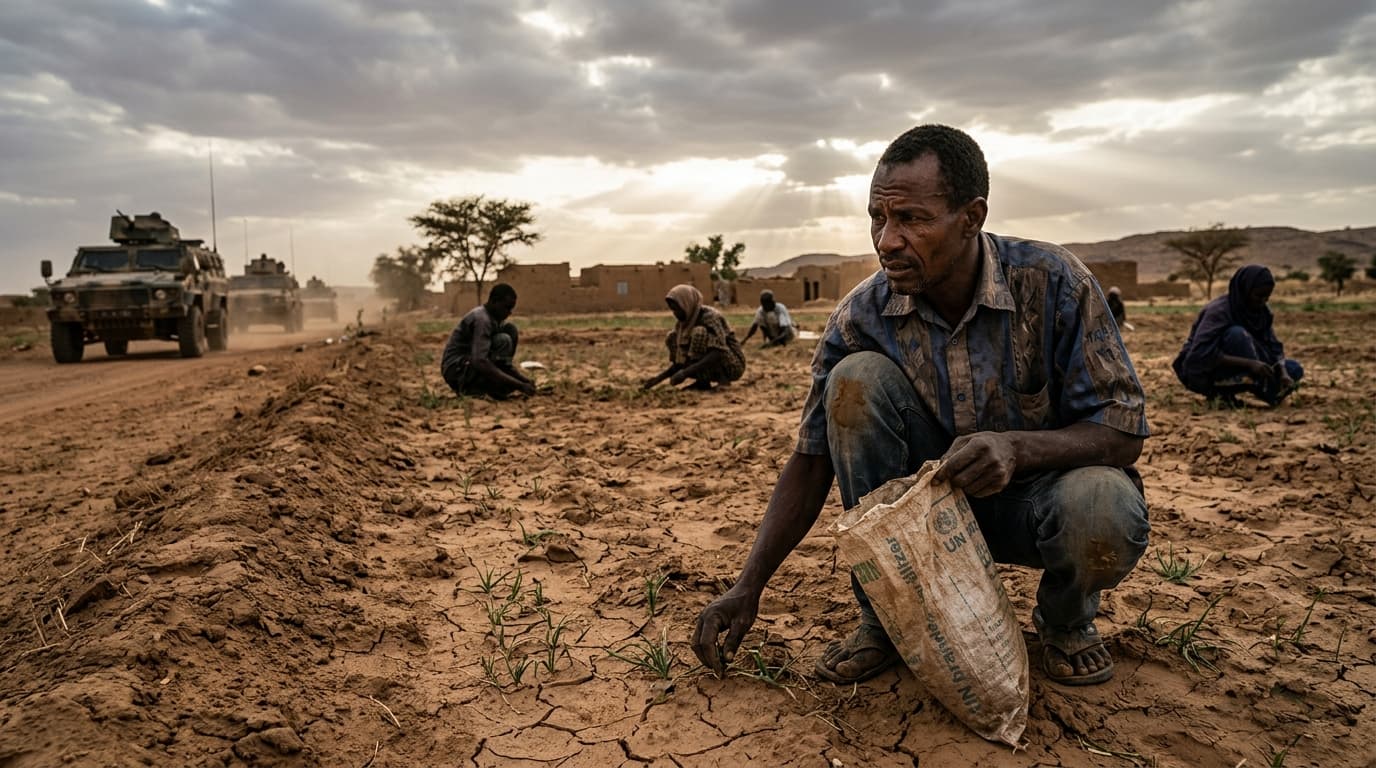
West Africa Food Crisis: Three Shocks in 2026
Conflict, climate extremes, and the Strait of Hormuz closure drive a severe food crisis in West and Central Africa, with fertilizer prices surging 80% and millions displaced.