Spain's NATO Tensions with Washington
Exploring the dynamics of Spain's NATO relationship with the U.S.
Model Diplomat2 min readEurope
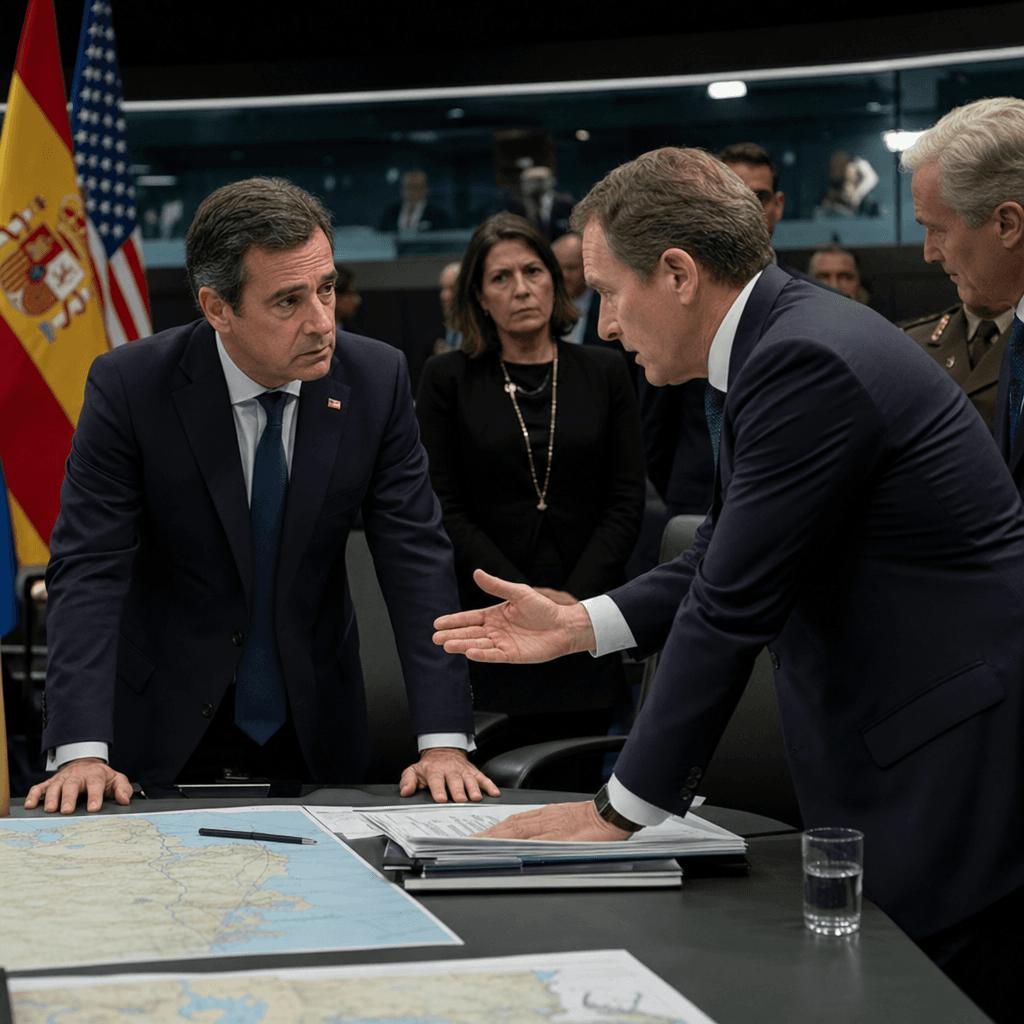
Spain’s NATO Clash With Washington Is Really Bilateral
Pedro Sánchez is downplaying a reported Pentagon threat because NATO cannot suspend Spain; Washington’s real leverage is military access, not alliance law.
Pedro Sánchez moved quickly to narrow the damage after AP reported he brushed aside questions over a reported Pentagon email that discussed punishing Spain and even floated suspending it from NATO.[AP News] That response was strategic: the reported threat sounds dramatic, but the alliance itself is not where Washington holds the strongest cards. NATO has no provision to suspend or expel a member, according to alliance officials and multiple reports on the leaked memo.[
BBC News][
POLITICO]
The leverage is access, not membership
The reported memo’s more credible pressure points were access, basing and overflight rights — the practical permissions the U.S. needs for military operations and can contest bilaterally if an ally refuses cooperation.[BBC News] That matters because reports say Spain refused U.S. requests to allow its territory to be used for operations tied to the Iran war, while Sánchez insisted Spain would cooperate with allies only “within international law.”[
France 24][
AP News]
That is why Sánchez chose to dismiss the email rather than litigate it in public. Treating a leaked internal memo as official policy would only elevate a U.S. pressure tactic that, for now, remains outside NATO procedure. For Madrid, the gain is domestic and diplomatic: it shows Spain will not accept public coercion while avoiding an open break with the alliance. For Washington, the benefit of leaking or signaling such options is deterrence — reminding allies that the U.S. can impose costs without rewriting the North Atlantic Treaty.
Spain is an easy target because it looks vulnerable
Spain’s problem is not just this Iran dispute. It has long been exposed on burden-sharing. The BBC identified Spain as NATO’s lowest defense spender in 2024, at about 1.2% of GDP, making it politically easier for U.S. officials to frame Madrid as an unreliable ally.[BBC News] Later alliance data cited by POLITICO showed Spain at roughly 2% of GDP in 2025, but still near the bottom tier of allied spenders.[
POLITICO] In other words, the Iran fight lands on top of an existing credibility gap.
That makes this more than a one-off quarrel in Global Politics. It is also a test of how far the
United States can use bilateral military dependence to discipline a NATO ally when treaty mechanisms are unavailable.
What to watch next
The next real decision point is whether the U.S. turns a leaked memo into a formal demand on basing, access or overflight. If it does, Spain will have to choose between preserving strategic ambiguity and openly refusing operational support. Watch other allies too: Germany has already said Spain’s membership is not in question, while Italy has urged unity.[BBC News] If major European capitals keep this framed as a bilateral U.S.-Spain dispute rather than a NATO disciplinary case, Sánchez keeps room to maneuver — and Washington’s leverage stays narrower than the headline suggests.
Discover more

International Relations
Pakistan's Key Role in US-Israel-Iran Meddle
Pakistan is seeking to mediate the US-Israel-Iran conflict, balancing high-stakes diplomacy against severe economic pressures and steep regional challenges.

Global Politics
US Seizes Iranian Ship, Tensions Surge
The US seizure of the Iranian ship Touska highlights a shift in control over the Strait of Hormuz, favoring Iran's strategic position.

Conflict & Security
Drone Warfare Killing Aid Workers at Unprec
Over 1,000 humanitarian workers killed in three years as cheap armed drones collapse legal protections. Gaza, Sudan, Ukraine, and DRC see deliberate targeting of aid convoys and hospitals with zero prosecutions.

Global
World Normalises Taliban as Afghan Women Eras
UN data shows Afghan women erased from public life as Russia recognises the Taliban, EU hosts officials in Brussels, and ICC warrants for gender persecution go unenforced.