Sierra Leone Enters Trump's Deportation Plan
Freetown accepts U.S. deportees for cash and diplomatic quiet.
Model Diplomat3 min readAfrica
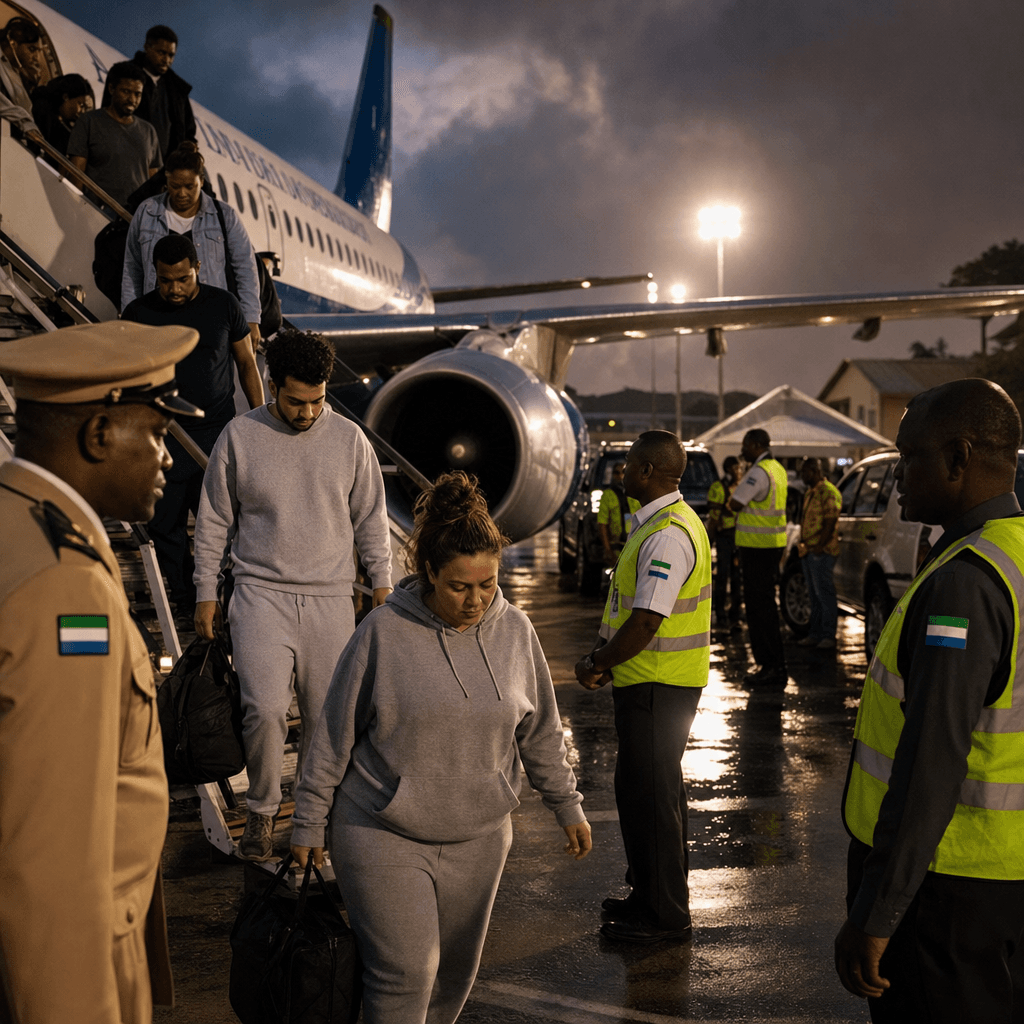
Sierra Leone Joins Trump’s Deportation Outsourcing
Washington is paying small African states to absorb deportees, and Freetown is accepting the burden for cash, time, and diplomatic quiet.
The first U.S.-bound deportation flight carrying nine West African migrants has landed in Sierra Leone, putting Freetown inside the Trump administration’s expanding third-country removal system, according to Al Jazeera. The group included five people from Ghana, two from Guinea, one from Senegal, and one from Nigeria, and Sierra Leone’s foreign minister said the country has agreed to hold such arrivals for about 90 days before sending them on to their home countries, backed by a $1.5 million U.S. grant for “humanitarian and operational costs,”
Al Jazeera reported.
Washington has the leverage
This is a transactional migration deal, not a refugee arrangement. The power sits in Washington: the White House gets domestic political credit for removals, while partner states take on detention, transport, and diplomatic risk. Sierra Leone is not the final destination; it is a staging point.
That makes the deal politically useful for both sides, but not equally. For the U.S., third-country deportations extend the reach of the immigration crackdown without requiring the receiving country to be the deportees’ place of origin. For Sierra Leone, the reward is limited cash and a chance to avoid a larger confrontation with Washington. BBC reported that Freetown has said it will accept up to 300 people a year, but only if they are nationals of ECOWAS states. That matters: it keeps the arrangement inside a West African legal and political frame, rather than opening the door to a wider pool of deportees.
The catch is that Sierra Leone still owns the visible problem. The arrivals were described as “traumatised,” and officials said they would be housed in a hotel before onward travel, Al Jazeera reported. That is a modest humanitarian holding pattern, but it is also a reminder that the operational burden has been shifted south.
The regional model is what matters
Sierra Leone is not an outlier. It is the latest node in a widening U.S. strategy to export deportations to third countries, a model already used with countries including the Democratic Republic of Congo, Ghana, South Sudan, Rwanda, Uganda, Eswatini and Cameroon, according to Al Jazeera.
BBC noted that dozens of migrants have already been flown to countries they had not lived in before arriving in the United States.
That regionalization is the important second-order effect. Once one ECOWAS state takes West African deportees, the precedent becomes easier for others to follow. It also gives Washington a bargaining instrument in a region where trade, aid and migration are already intertwined. The likely beneficiaries are the U.S. administration, which can show deportation results quickly, and any African government willing to trade short-term concessions for a small financial package or quieter relations with Washington.
The losers are the deportees first, but also the receiving states if these deals harden into a standing obligation. Human Rights Watch has warned that such “opaque deals” can violate international human rights law, a concern echoed in broader criticism of third-country removals, Al Jazeera and
The Guardian reported.
What to watch next
The next decision point is whether Sierra Leone confirms the full terms of the deal, especially any non-monetary concessions. Also watch whether the migrants are quickly repatriated within the two-week window reported by the BBC, and whether other ECOWAS governments quietly copy Freetown’s model. If more flights follow, this stops being an isolated removal and becomes a durable West African transit system.
For broader coverage of the regional fallout, see Global Politics and
United States.
Discover more
Human Rights
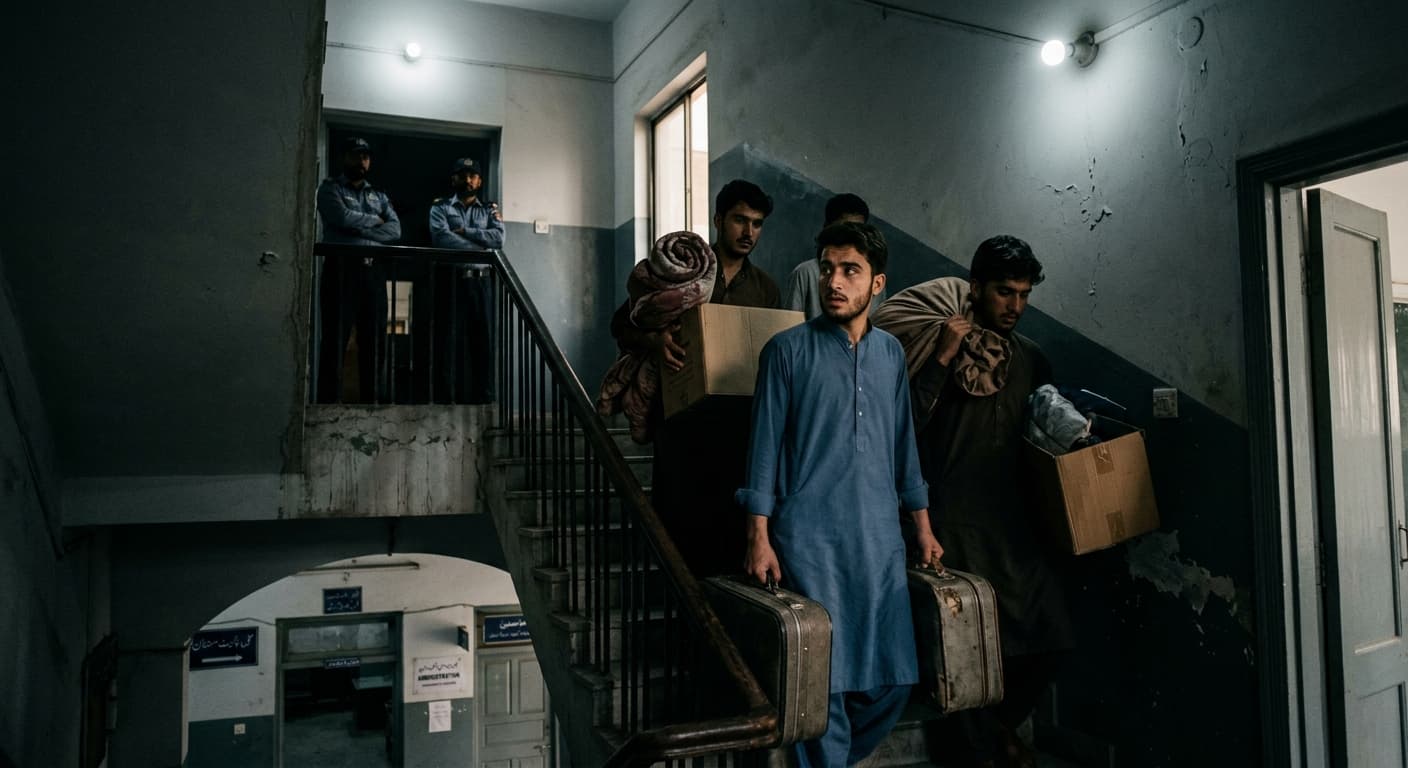
Pakistan's Quiet Siege on Afghan Students
KEMU orders Afghan medical students to vacate hostels within 48 hours, part of Pakistan's deportation drive that has expelled over 1.5 million Afghans since 2023, now targeting higher education.

Conflict & Security
Afghan Asylum in EU: 78% Recognition Rate
Afghan asylum recognition rates in the EU hit 77.8% in Q1 2026, the highest among major nationalities, even as applications fall to a five-year low and the EU opens deportation channels with the Taliban.
Human Rights
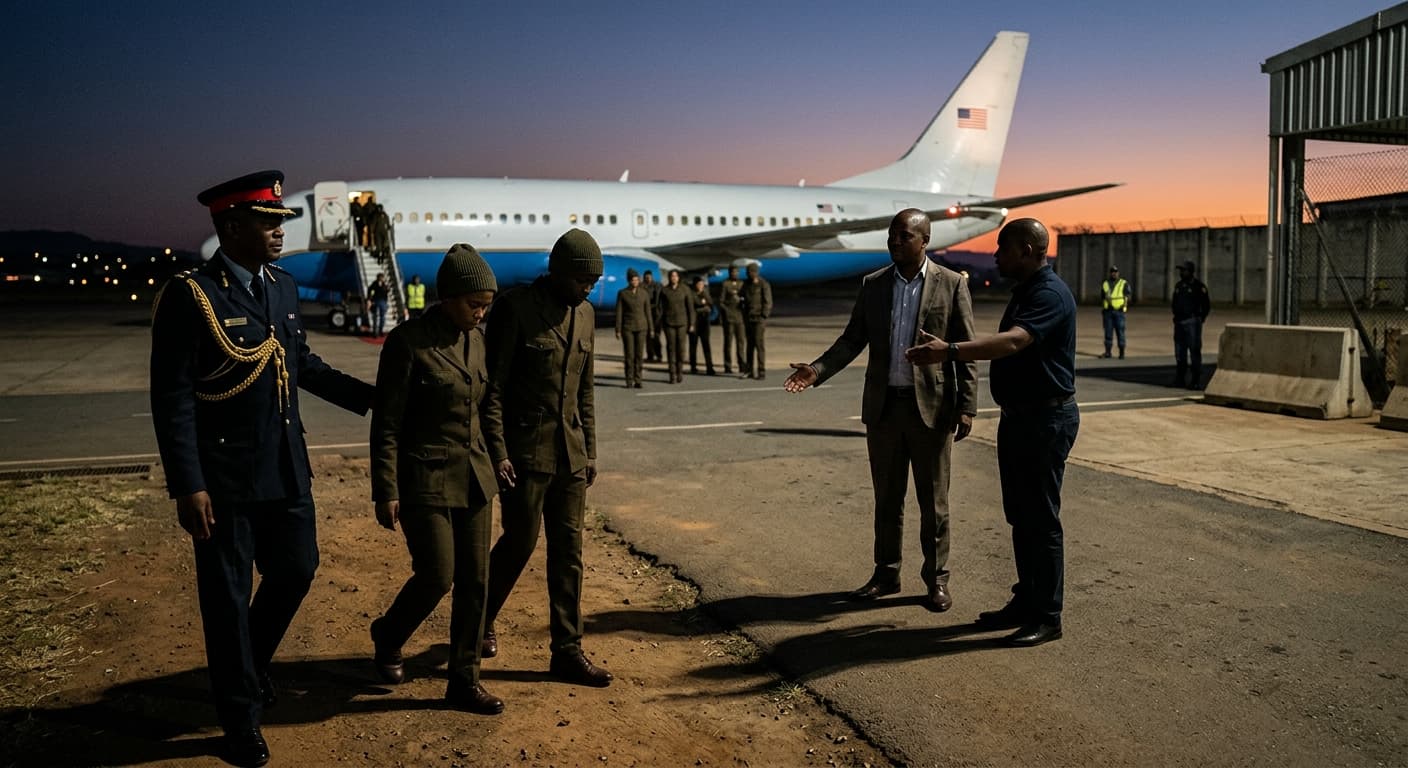
Eswatini's US Deportee Flight and Diplomacy
Eswatini accepts US deportees under a $5.1m deal, reshaping regional human rights politics and providing diplomatic cover for its monarchy.

Global Politics
EU Engages Taliban on Deportations
The EU's direct engagement with the Taliban over deportations marks a notable shift in diplomatic strategy, linking migration policy to Afghanistan's rulers.