Shah’s UCC Promise Shows BJP’s Tribal Balancing Act
At a giant tribal rally in Delhi, Amit Shah promised any UCC would spare tribals. The message: BJP wants tribal trust without abandoning the Sangh’s identity politics.
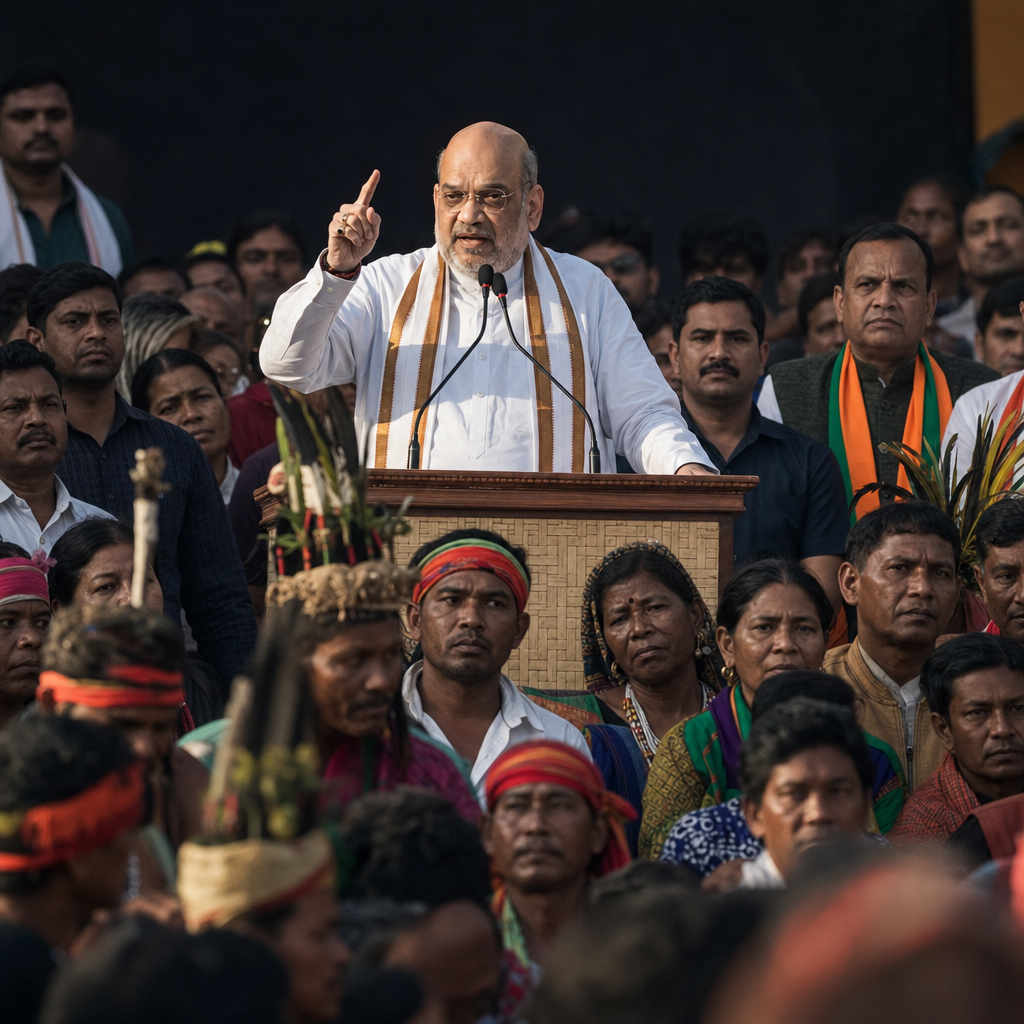
At the Sangh Parivar’s “Janjati Mahakumbh” at the Red Fort on Sunday, Union home minister Amit Shah told the crowd that “UCC will not apply” to tribals or tribal areas, and that no tribal rights would be touched, according to  The Hindu. That is not a casual reassurance. It is a political fix aimed at preventing the UCC from becoming a tribal alarm bell while preserving the BJP’s larger claim to be the protector of indigenous identity.
Why the exemption matters
The BJP’s leverage here comes from two directions. First, it is speaking to tribal communities that have been central to its expansion in central and eastern India. Second, it is speaking to the Sangh’s own tribal network, led by the RSS-linked Janjati Suraksha Manch and Akhil Bharatiya Vanvasi Kalyan Ashram, which framed the event around protecting “faith, culture and traditions,” The Hindu. Shah’s line tries to solve an internal contradiction: the BJP wants a uniform civil code narrative for its core base, but it cannot afford to let tribal voters fear that personal-law reform will erase customary protections.
That is why he singled out tribal exemption so explicitly. He is not just calming a constituency; he is drawing a boundary around the state’s next legal and political fight. If the Centre ever moves on UCC, the tribals are now being told they are outside the blast radius. That creates room for the BJP to sell reform elsewhere without triggering a broad tribal backlash.
The deeper contest is over identity, not law
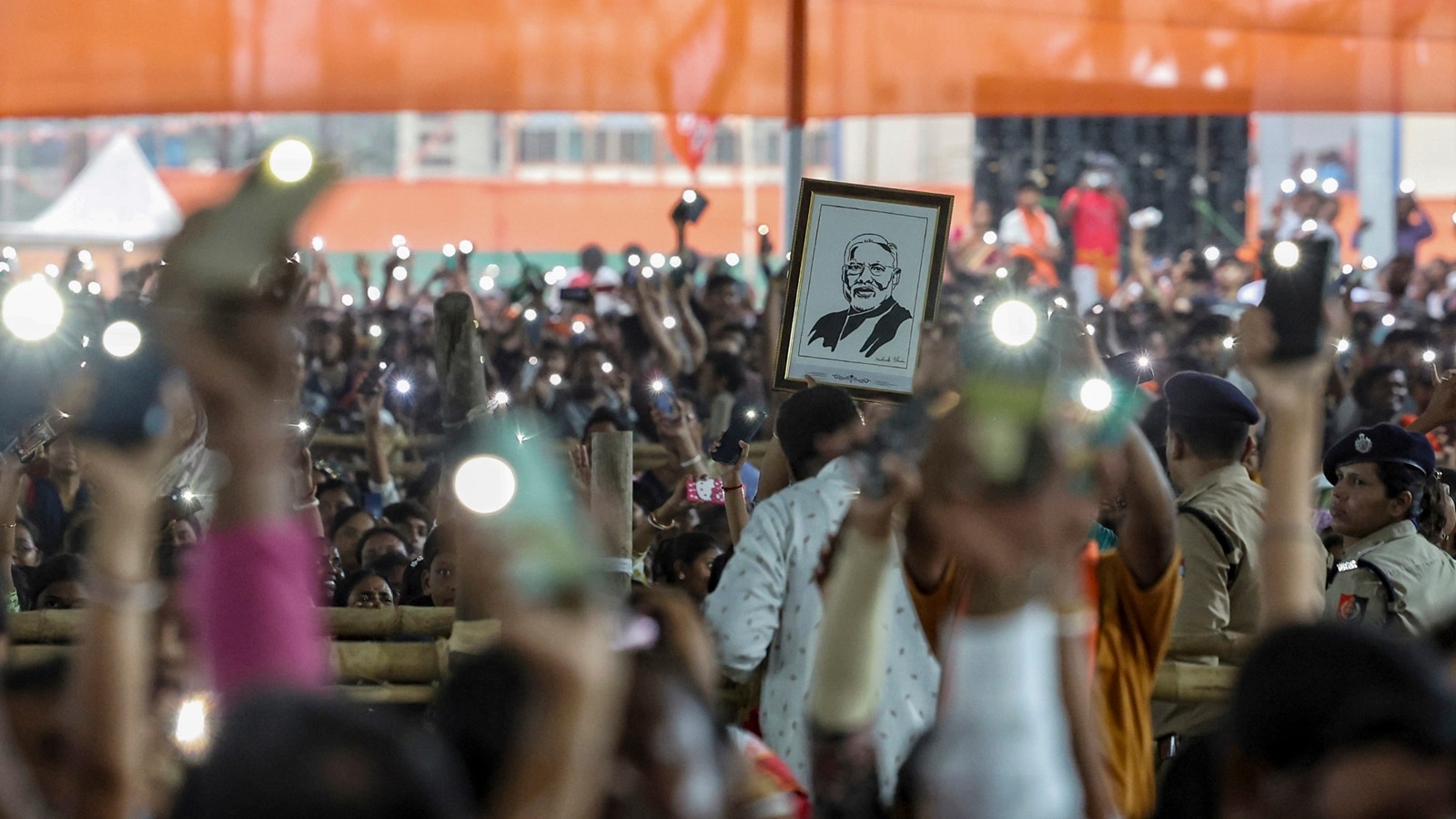
The Delhi event was also a demonstration of organisational muscle.  Outlook reported that organisers expected more than 1.5 lakh participants from over 500 tribal communities, and that the rally was tied to a demand for a “delisting bill” that would remove converted tribals from the Scheduled Tribe category.
  News18 described the gathering as a pressure tactic for a constitutional amendment and noted that the mobilisation is being pushed by an RSS-affiliated tribal outreach network.
That is the real political use of this platform. The Sangh is trying to redefine tribal politics around religion, conversion and “civilisational” belonging, not just welfare or representation. Shah’s UCC promise helps that project by separating tribals from any national legal overhaul, while keeping them inside a broader Hindu-coded political frame. For the BJP, that is the sweet spot: reassure enough to prevent defection, mobilise enough to keep tribal identity within its orbit.
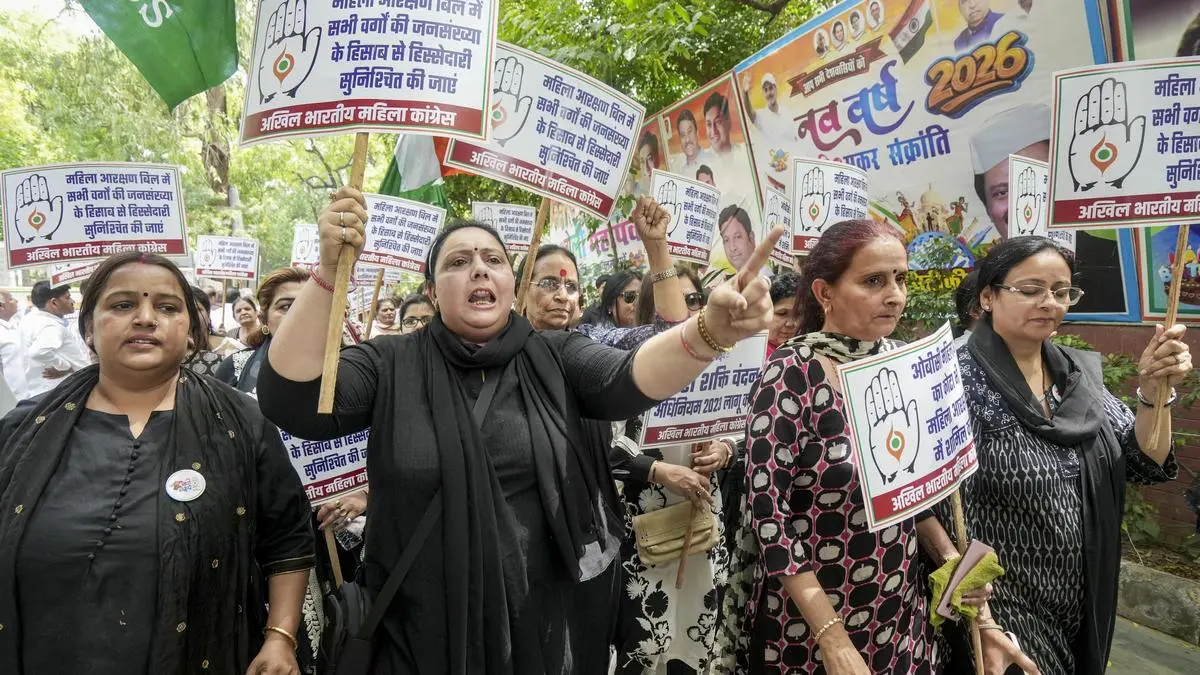
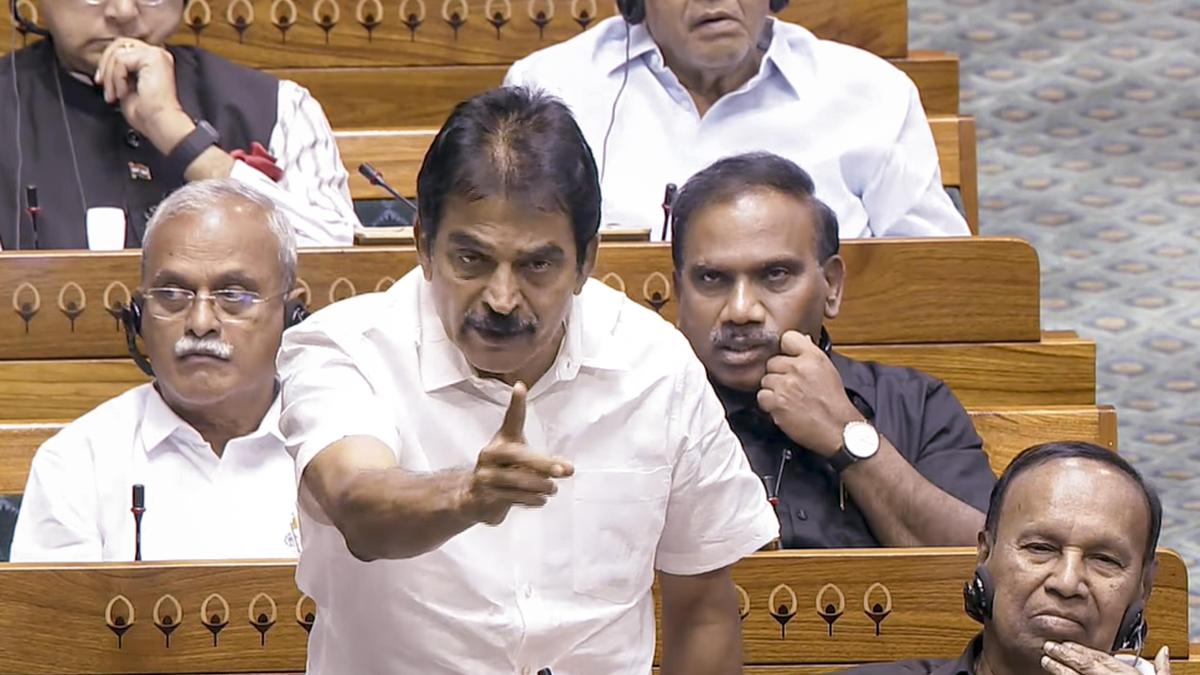
For the opposition, this is a warning sign. If the BJP can present itself as both protector of tribal custom and guardian of national legal reform, it can complicate opposition efforts to frame the party as hostile to minority rights or local autonomy. The immediate losers are parties trying to defend a secular tribal identity politics based on land, jobs and welfare rather than conversion and culture. See also  India and Global Politics.
What to watch next
The next decision point is whether the Centre moves from rhetoric to drafting language on UCC or delisting. Watch for any formal clarification from the Home Ministry, and for reactions from tribal leaders in Jharkhand, Chhattisgarh, Odisha and the Northeast, where this messaging will be tested first. If the BJP keeps repeating the exemption line, it means the party sees tribal consolidation as more important than legal uniformity — at least for now.