Kerala Kills SilverLine, but the Rail Problem Remains
The UDF has buried the LDF’s flagship rail project, but Kerala still needs a fast north-south transport fix — and now has to find one that is cheaper, cleaner and politically survivable.
Kerala’s new UDF government has denotified the SilverLine semi-high-speed rail corridor, ending a project that had become a political and administrative dead end after the Centre withheld approval and the state’s land survey triggered statewide resistance ( The Hindu; The Hindu). The power dynamic is straightforward: the UDF now controls the project file, and it is using that leverage to turn a controversial LDF legacy into an anti-cost-of-governance win, while signalling that it is not rejecting faster rail outright.
Why SilverLine collapsed
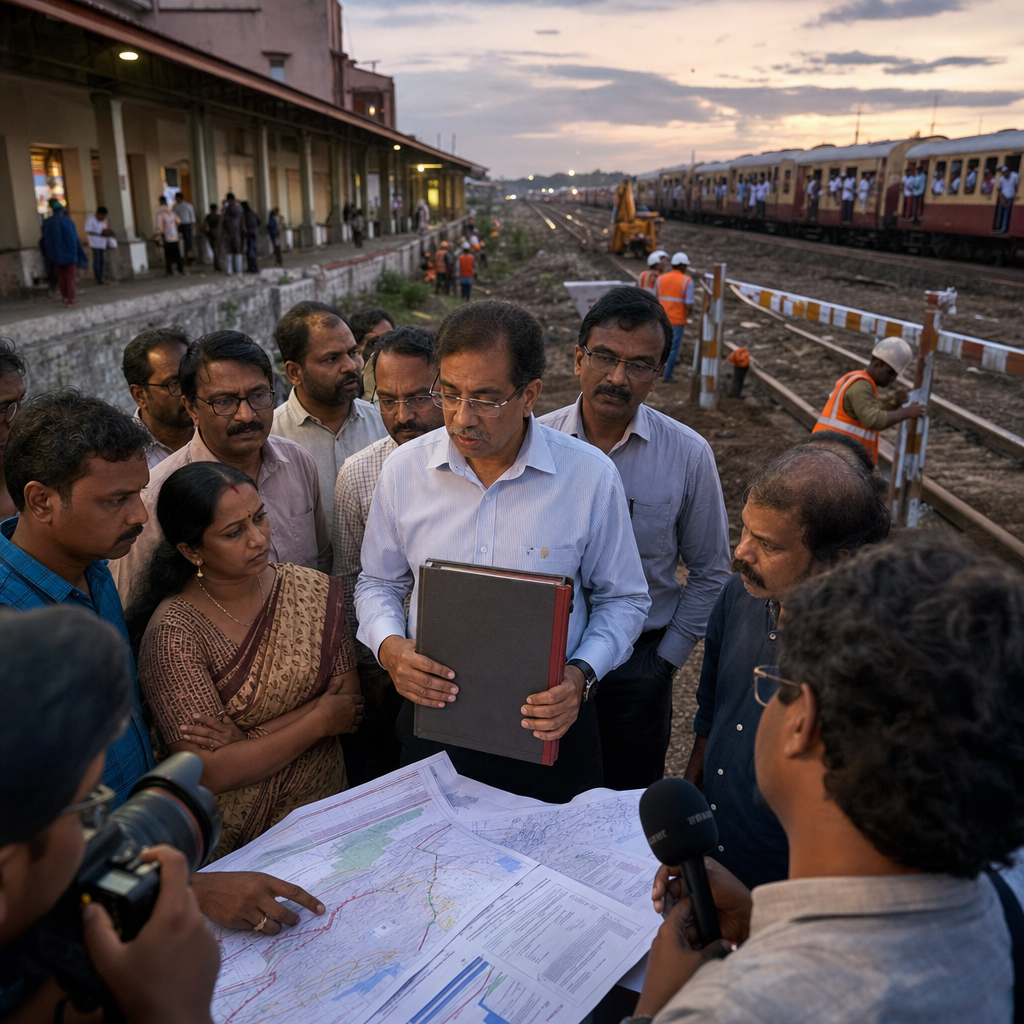
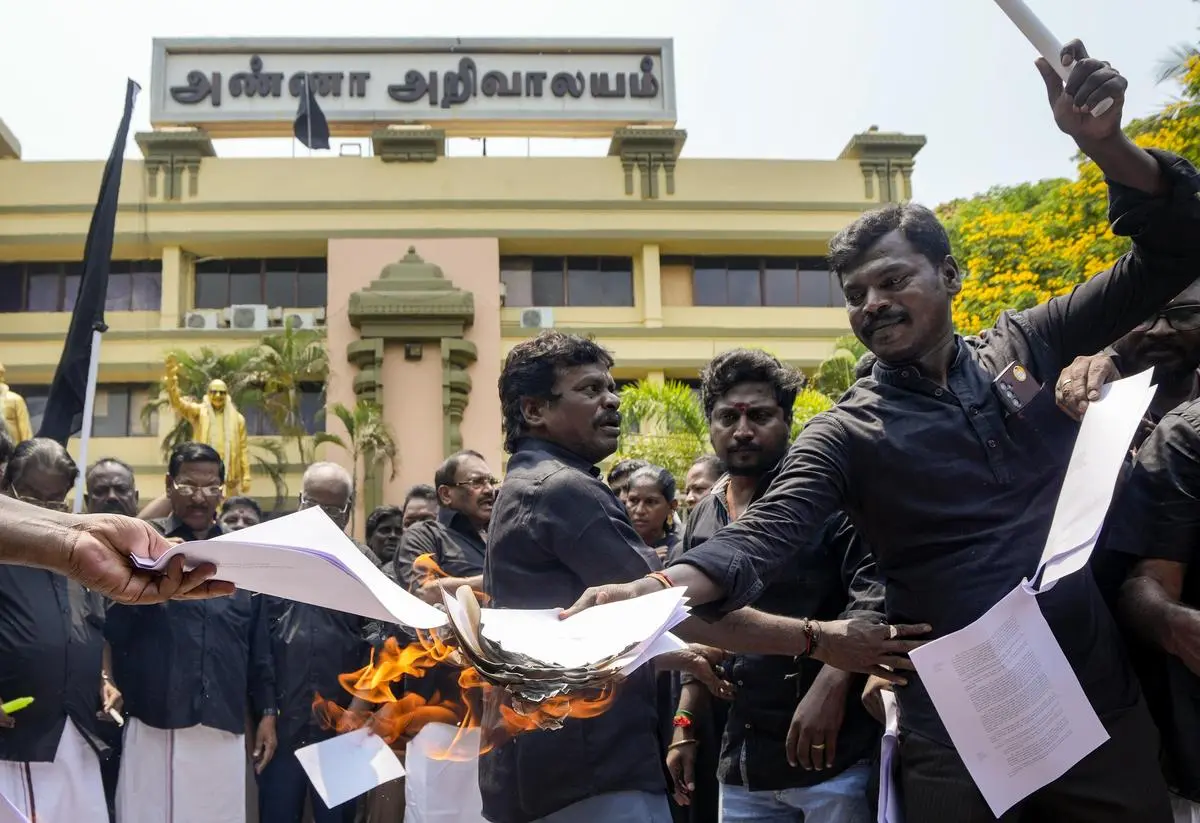
SilverLine was never just a transport proposal; it became a test of whether the state could force through a megaproject against landowners, environmental critics and a skeptical Union government. The project was pitched as a 530-km semi-high-speed corridor from Thiruvananthapuram to Kasaragod, but The Hindu reported that it required around 1,221 hectares of land, could affect more than 9,300 structures and potentially displace nearly 20,000 people (The Hindu). Onmanorama reported that roughly 85 per cent of the land was private and that the survey stones left properties effectively frozen, making the project a daily grievance for affected families ( Onmanorama).
That matters because once land acquisition becomes the story, the project loses its economic case. The op-ed in The Hindu argues the scheme was wrong from the start: it cut through wetlands, flood-prone areas and biodiversity hotspots, while critics said its cost was understated and its engineering choices were poorly matched to Kerala’s geography (The Hindu). In other words, the state was not just buying speed; it was buying a permanent fight.
The real prize is not cancellation — it is credibility
The UDF is trying to capture the benefit of being the government that stopped an unpopular project without appearing anti-development. Its manifesto, as The Hindu notes, still gestures toward a high-speed corridor, but one built in collaboration with Indian Railways rather than as a standalone state system (The Hindu). That is a more defensible model. It spreads risk, reduces duplication and avoids the standard-gauge break from the national network that critics saw as one of SilverLine’s core flaws (The Hindu).
The deeper point is that Kerala’s transport bottleneck is real. The op-ed argues that faster Vande Bharat services, signal upgrades and track straightening on the existing network could deliver much of the speed benefit at lower cost and with less disruption (The Hindu). This is the opening for the UDF: not a headline-grabbing megaproject, but incremental rail capacity that can actually be built.
What to watch next
The next decision point is whether the government follows denotification with a credible alternative: land records cleared, cases withdrawn where legally possible, and a concrete rail plan tied to the existing network. If it does not, SilverLine’s cancellation will be remembered as political hygiene rather than infrastructure reform. If it does, Kerala could shift from a confrontation over land to a contest over execution — the harder, but more useful, battle. For the broader national context, see  India.