Telangana Heatstroke Deaths Expose the Cost of Extreme Heat
Sixteen deaths and a ₹4 lakh payout show Telangana is in emergency-response mode as the IMD warns of more heat over the next three days.
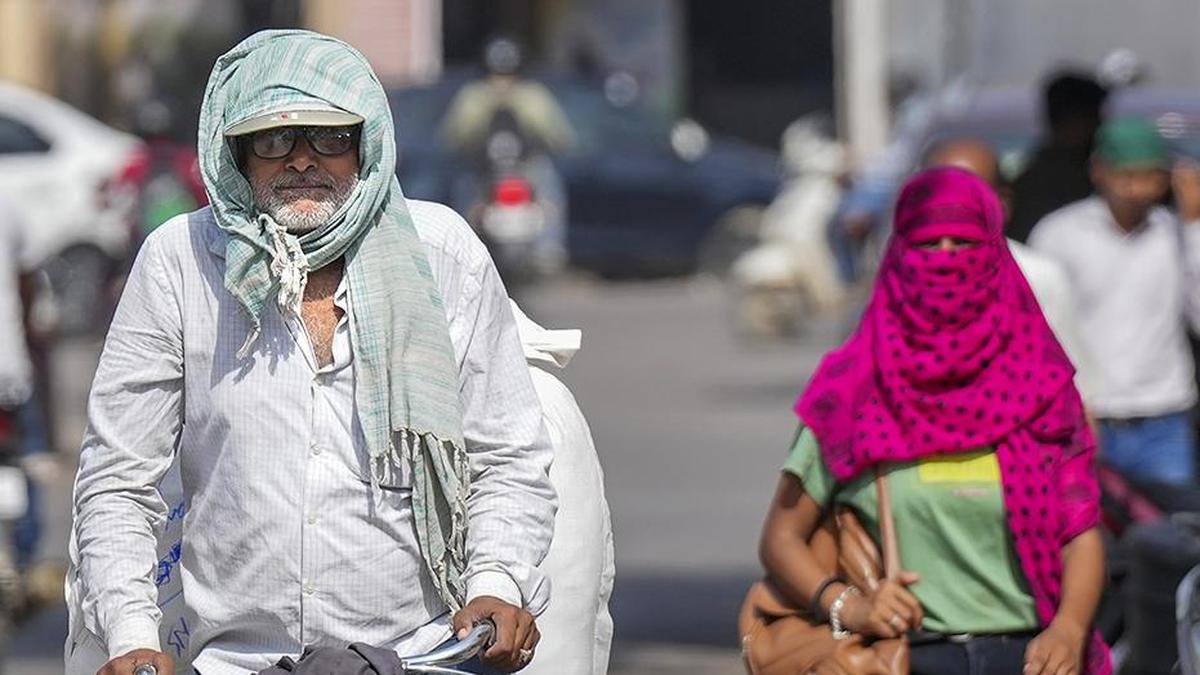
Telangana has moved into crisis management after 16 people died of heatstroke, prompting the state to announce ₹4 lakh ex gratia for each family and order emergency cooling and medical measures, according to  The Hindu. Revenue Minister Ponguleti Srinivasa Reddy said the compensation would be released immediately on Chief Minister A. Revanth Reddy’s direction, while district collectors were told to stay on alert as the India Meteorological Department warned severe heatwave conditions could persist for three more days (The Hindu).
The state is buying time, not solving the shock
The ex gratia is politically necessary, but it is also a signal of how narrow the state’s response has become: compensate the dead, cool the public spaces, and hope the weather breaks. Telangana has ordered drinking water, buttermilk and ORS distribution points at bus stands, markets, labour sites and other crowded areas, and has put emergency medical services on standby, The Hindu reported. That matters because the deaths are concentrated in districts with large outdoor workforces — especially agricultural labourers, construction workers and road workers — which means the heat is hitting the state’s most exposed labor markets first (The Hindu).
The immediate beneficiary is the state government, which can show action quickly through compensation and advisories. The losers are the workers who cannot simply stay indoors between 11 a.m. and 4 p.m., the public health system that must absorb the surge, and district administrations that now have to run local heat shelters in real time. For a broader lens on how India’s summer weather is feeding into stress across the system, see  India and Global Politics.
This is part of a wider national heat squeeze
The Telangana deaths are not an isolated state-level incident; they sit inside a much larger heatwave that is driving up electricity demand, straining water systems and exposing infrastructure limits across India. On May 22, India’s power ministry said peak demand hit a record 270.82 gigawatts as cooling use surged during the heatwave, with temperatures reaching 47°C in parts of the country, according to  CNA/AFP. That puts Telangana’s health emergency in the same frame as a national capacity problem: the hotter it gets, the more households, hospitals and businesses lean on electricity, while the grid itself becomes more fragile.
The weather office is reinforcing that pressure. A separate The Hindu report said the IMD issued heatwave warnings for 12 districts and warm-night alerts for eight more on Sunday, while also flagging thunderstorms in some areas. That mix matters. Warm nights reduce recovery time for outdoor workers and for low-income households without cooling, so daily heat exposure becomes cumulative rather than episodic (The Hindu).
What to watch next
The next decision point is the next 72 hours: whether Telangana’s death count rises, whether the IMD extends the warning, and whether district authorities can actually get water, ORS and ambulance coverage into labour clusters before the afternoon peak (The Hindu). Also watch whether the state broadens this from disaster relief to a labor-protection response — shorter outdoor shifts, enforced rest breaks and targeted workplace advisories — because compensation after the fact will not blunt the next heatwave.