Shah Bano Case's Impact on Muslim Law inIndia
Exploring the impact of the 1986 Muslim Women Act
Model Diplomat2 min readAsia
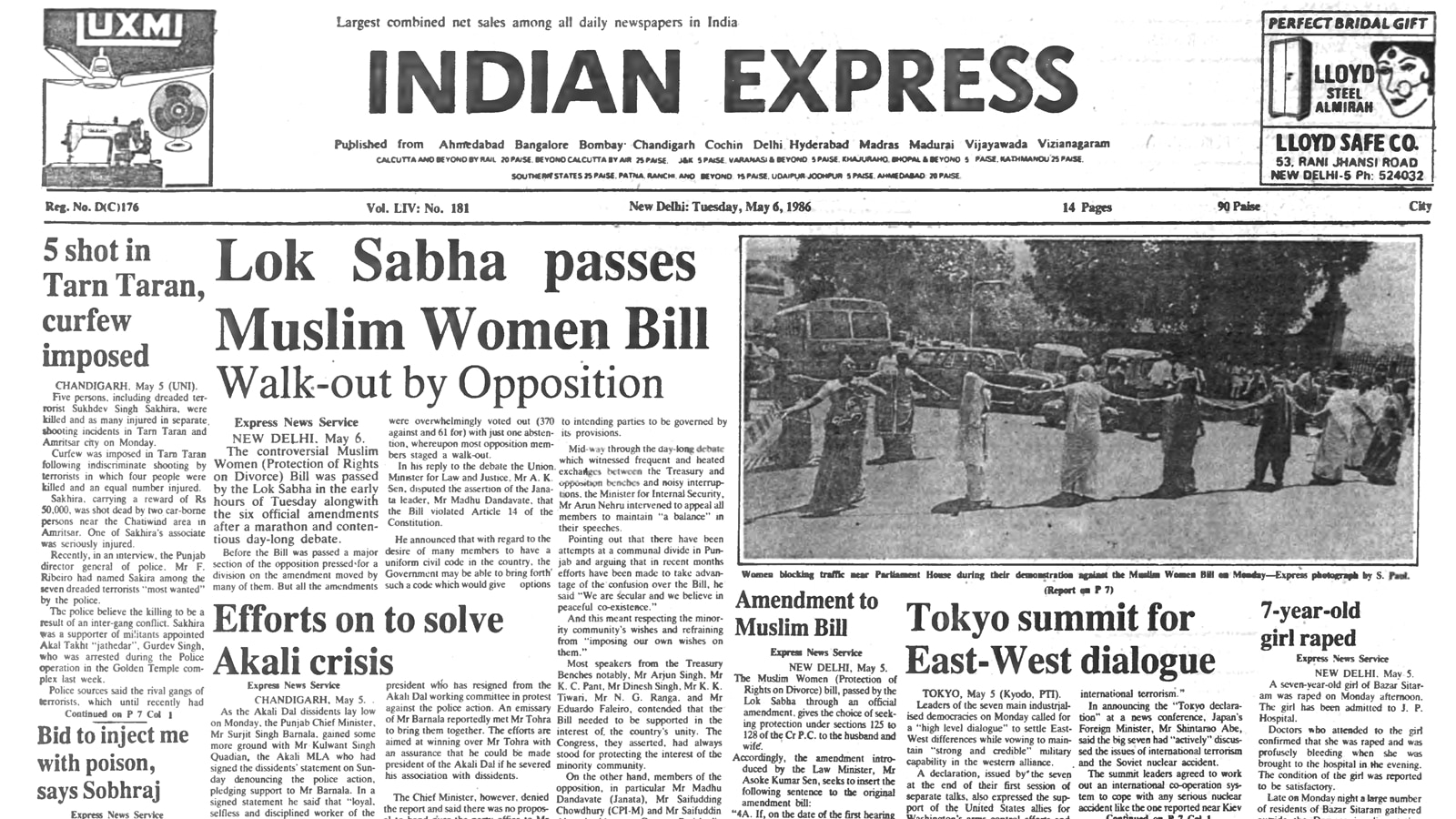
Shah Bano’s Backlash Still Shapes India’s Muslim Law
The 1986 Muslim Women Act was meant to contain one crisis. It instead handed the BJP a durable grievance and made personal law a central battlefield in Indian politics.
Rajiv Gandhi’s government passed the Muslim Women (Protection of Rights on Divorce) Bill in 1986 after the Supreme Court’s Shah Bano ruling had extended maintenance rights to a divorced Muslim woman under Section 125 of the Criminal Procedure Code. The political logic was clear: Congress wanted to blunt outrage from Muslim conservatives without appearing to abandon women’s rights, but the move only deepened the sense that the party was governing by panic rather than principle. Frontline
The Hindu
Why the bill mattered
The Shah Bano judgment had turned a family-law dispute into a national argument over secularism, women’s equality, and the limits of religious personal law. The Supreme Court said maintenance under Section 125 was a secular remedy; the 1986 law pulled that question back into Muslim personal law by limiting a husband’s obligation to a “fair and reasonable provision” during the iddat period. That was enough for liberals to see discrimination and for Muslim conservatives to claim the state had been forced to respect community autonomy. Frontline
Frontline
The deeper effect was political. The BJP and its allies used the episode to argue that Congress had appeased minorities, while the Congress paid the cost with urban middle-class voters who read the bill as surrender. In practice, the government gave the BJP a clean slogan and a long-running mobilizing issue just as the Ram Janmabhoomi agitation was gathering force. Frontline
The Hindu
Who won, who lost
The immediate winners were the party strategists who wanted to avoid a direct clash with Muslim clerics. But the longer-term winners were the Hindu right, which found in Shah Bano a perfect example of “appeasement” politics, and the loss fell hardest on Muslim women, whose rights became a proxy for a fight they did not control. Even decades later, the same architecture keeps reappearing: the 2001 Danial Latifi ruling upheld the 1986 law but interpreted it to require provision for the full future support of the woman, and the Shah Bano case kept resurfacing in Parliament during the 2018 triple talaq debate. The Hindu
The Hindu
What to watch next
The lesson from 1986 is not just historical. Every time India revisits personal law, the decisive question is who gets to define reform: elected politicians, courts, or community elites. That is why the Shah Bano settlement still matters for India and for the wider
Global Politics debate over whether equality is negotiated through uniform law or piecemeal exceptions.
Discover more
India
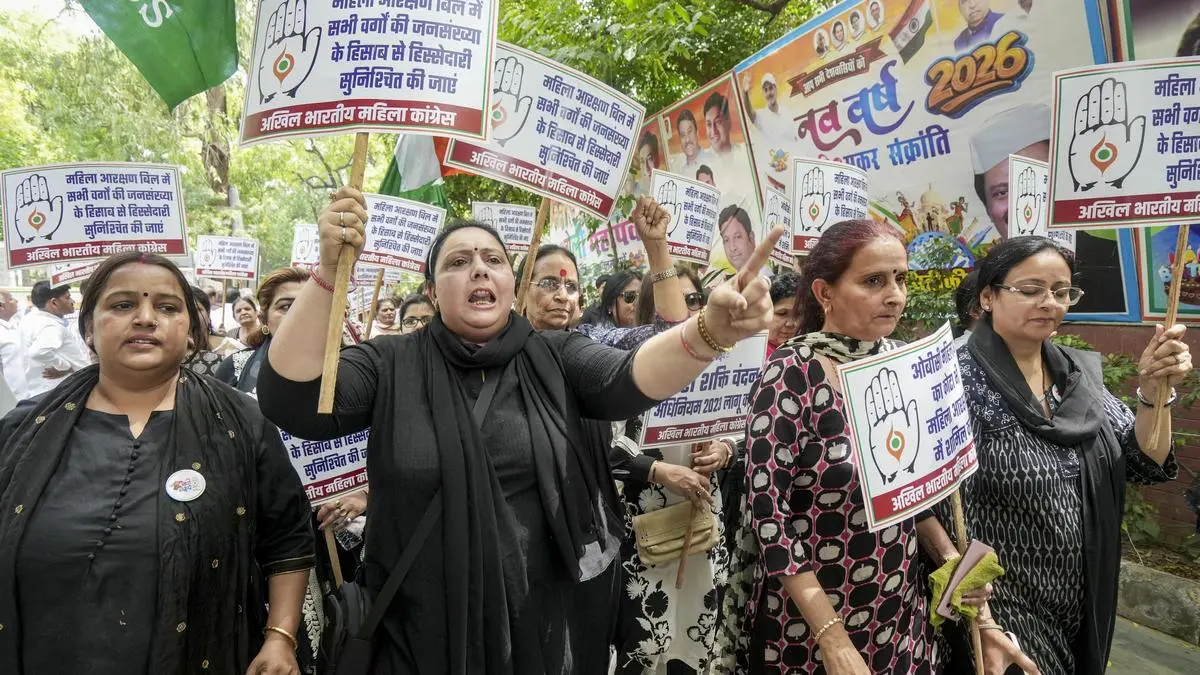
BJP's Misunderstanding of Women's Quota Needs
The BJP's linkage of the Women Reservation Bill to delimitation risks delaying women's empowerment in India, misreading their political needs.
India
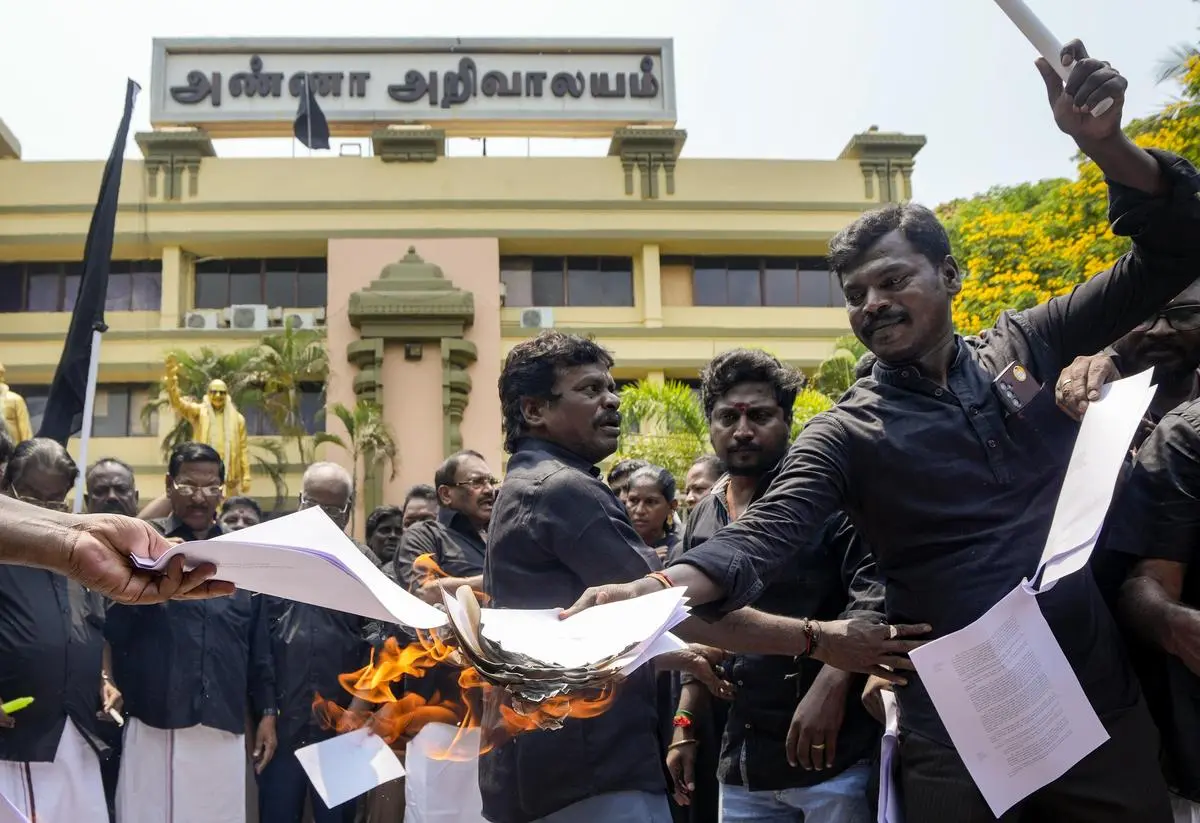
Women’s Reservation Bill 2026
The Women’s Reservation Bill's defeat reveals a deeper battle over delimitation, impacting India's electoral landscape and gender representation.
India
CPI(M) Calls to Decouple Quota from Delimita
CPI(M) demands the Indian government to separate quota policies from delimitation to enhance representation for marginalized communities.
Global Politics
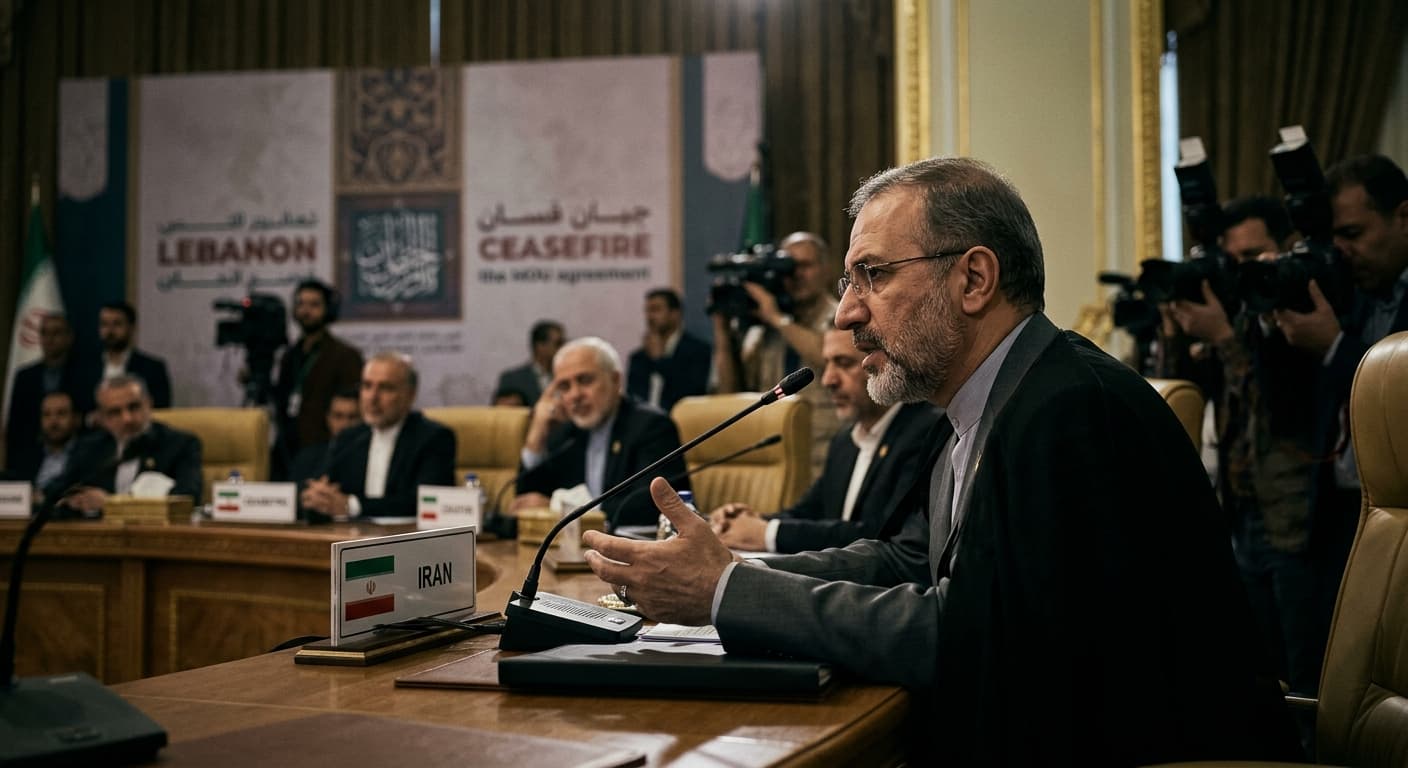
Iran Demands US Enforce Ceasefire
Iran insists the US must enforce a ceasefire in Lebanon to uphold the MoU.