Russia's Victory Day Parade Shows Weakness
Moscow shows caution amid Ukraine's drone campaign impact.
Model Diplomat2 min readEurope
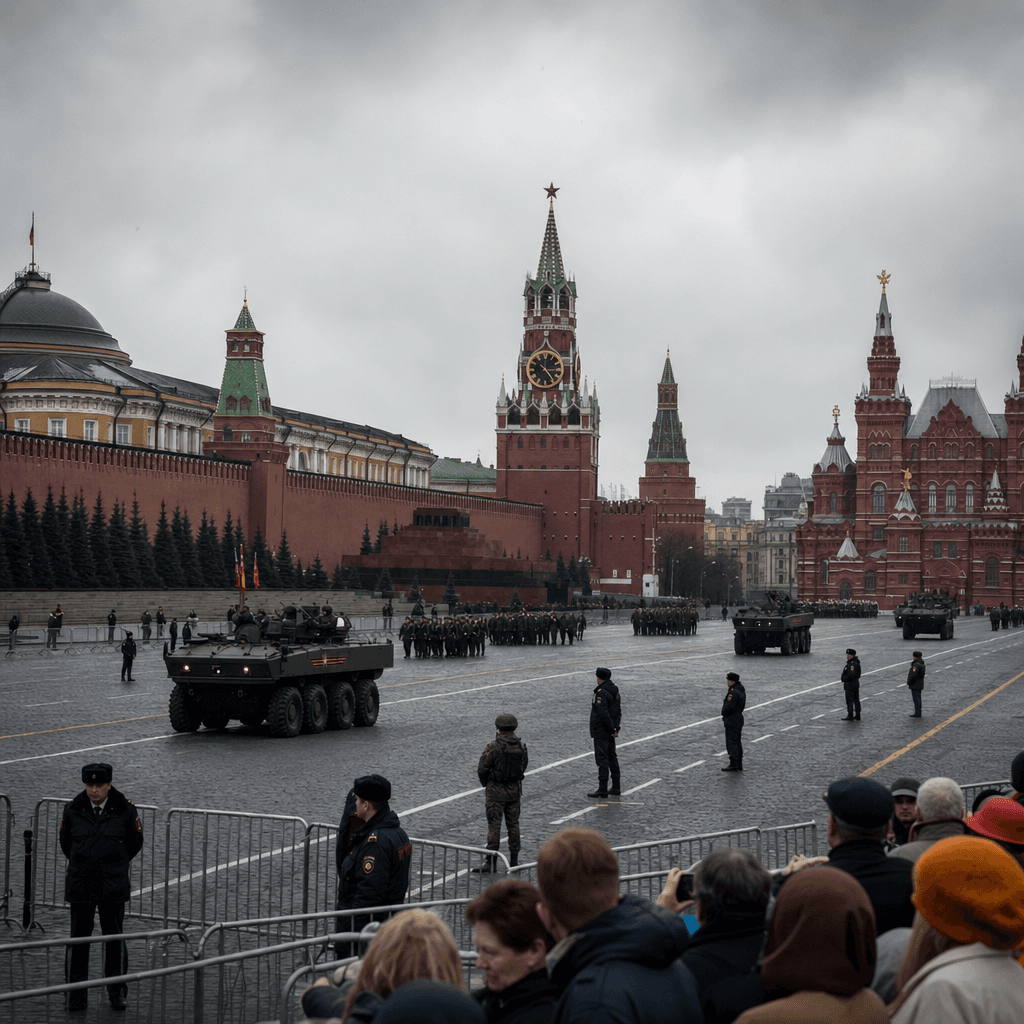
Russia's Downsized Victory Day Exposes Wartime Strain
With tanks absent and security tightened, Moscow is showing caution, not confidence, as Ukraine’s drone campaign forces a defensive Victory Day.
Russia held its annual Victory Day parade in Red Square on May 9, but this year’s display was stripped down: no tanks, no missiles, and no heavy equipment, with officials blaming the “current operational situation” and the threat of Ukrainian attacks, according to Al Jazeera and the
BBC. The message is clear. Ukraine now has enough reach to shape the Kremlin’s most important political ritual.
The symbolism has flipped
Victory Day is not just a commemoration; it is Putin’s annual stage for linking World War II memory to today’s war in Ukraine. For years, the parade has been used to project military confidence and domestic discipline. This time, Moscow chose protection over theater. DW said the defense ministry explicitly removed armored columns, cadet formations and the standard equipment show, while
France 24 reported internet outages, tighter security and widespread unease ahead of the event.
That matters because the parade’s value is not military utility but political messaging. A Red Square full of armor tells Russians the state is in command and tells outsiders that sanctions and battlefield pressure have not dented Russian power. A parade reduced to marching formations and a flyover tells a different story: the Kremlin is trying to avoid embarrassment and keep the capital safe.
Ukraine has found leverage
Kyiv does not need to stop the parade to win this round. It only needs to make the Kremlin behave as if it might. Ukraine’s deep-strike drone campaign has already forced Moscow to harden air defenses, disrupt mobile internet and warn of retaliation if the May 9 events are hit, according to Al Jazeera and the
BBC. That is an asymmetric gain: Ukraine spends relatively little to impose visible costs on Russia’s capital and on Putin’s propaganda calendar.
The loser here is the Kremlin’s preferred image of inevitability. The parade still happened, Putin still spoke, and the state still controlled the square. But the absence of heavy hardware undercuts the usual domestic payoff. Russian hardliners get less spectacle. Ordinary Russians get more restrictions. And the world sees a regime that is strong enough to keep order, but not confident enough to show its full military hardware in public.
What to watch next
The next decision point is whether the short ceasefire window around Victory Day holds, and whether Russia follows through on its threats if any disruption occurs. Al Jazeera reported Trump’s push for a temporary halt in fighting and Moscow’s warning of a “massive missile strike on the center of Kyiv” if the celebrations are interrupted. If the day passes without a major incident, the Kremlin will claim security success. If drones or air-raid disruptions puncture the event anyway, the message to Russian elites will be sharper: even the state’s most choreographed holiday is now hostage to the war.
Discover more
Global
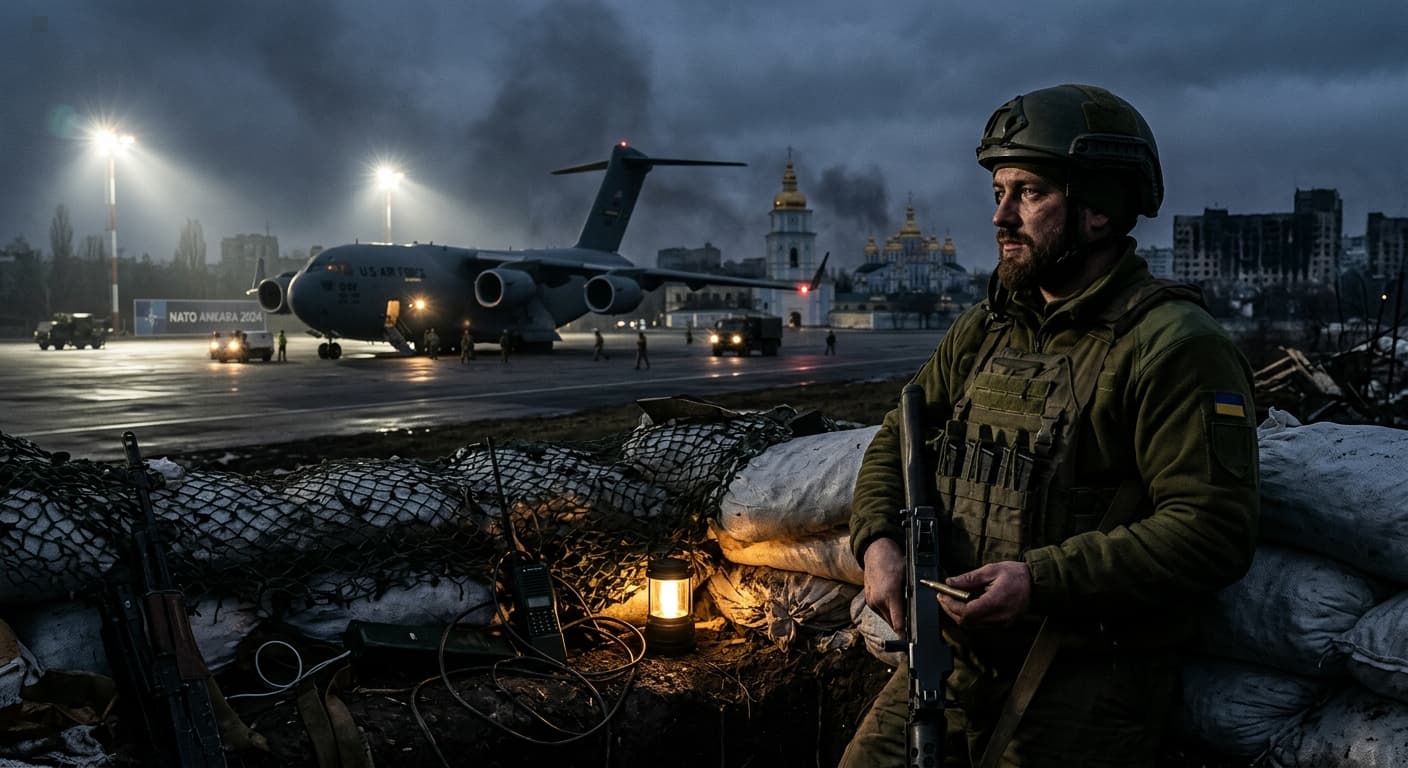
Kyiv's Empty Quiver: Ankara Summit on NATO
As Russia strikes Kyiv, NATO's Ankara summit must address Ukraine's urgent air defense needs amid dwindling interceptor supplies.
India
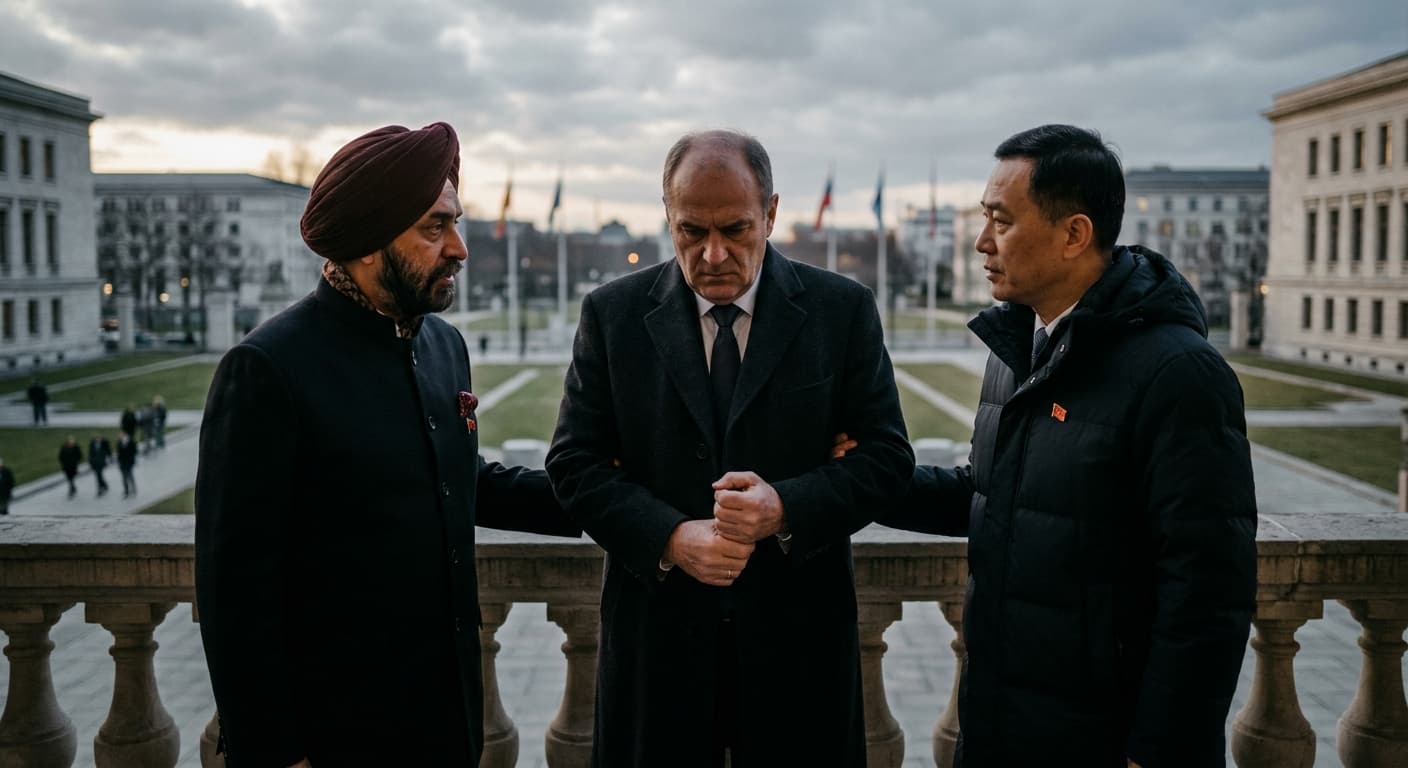
Russia's Balancing Act with India and China
Russia's deepening dependence on China is straining its long-standing strategic partnership with India, exposing the limits of Moscow's balancing act in Asia.
Conflict & Security
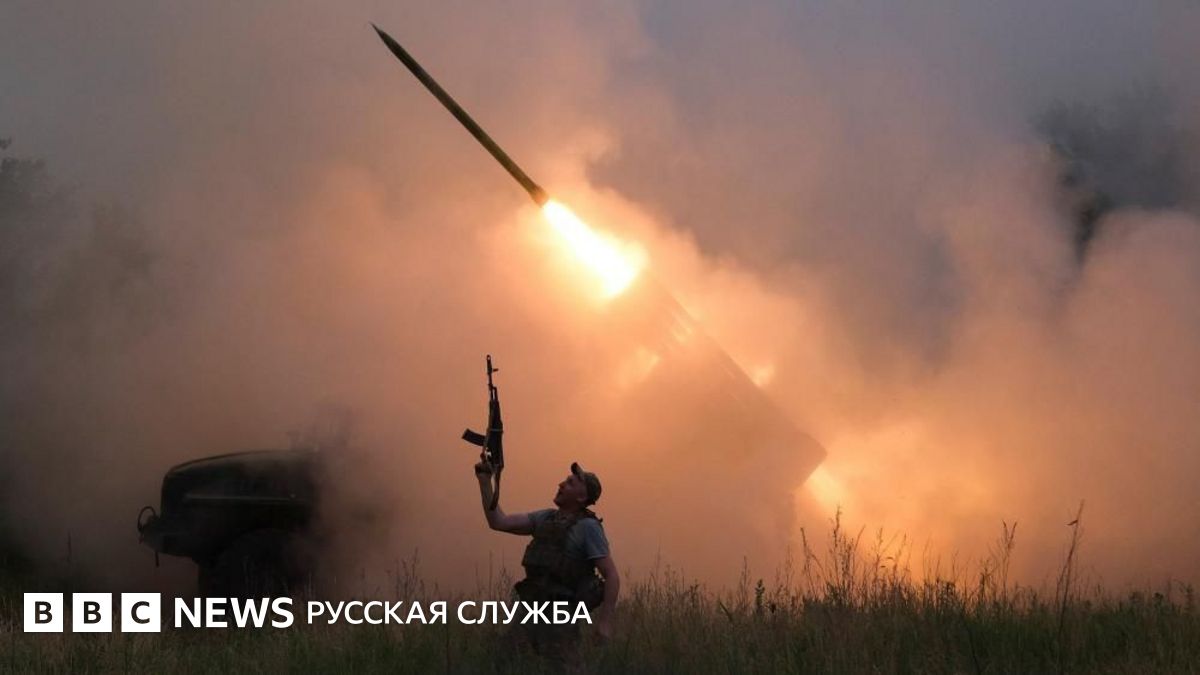
Russia Encircles Konstantinovka—Key to Donbas
Russia's encirclement of Konstantinovka could unlock the wider Donbas for further advances, marking a pivotal moment in its grinding eastern offensive.
Conflict & Security
Ukraine's Energy Offensive Hits Crimea
Ukraine's drone campaign is disrupting Russian fuel supplies and forcing rationing in Crimea, turning energy infrastructure into a key front of the war.