Rising Discontent in Russia Against Putin
Putin faces rising criticism as war impacts daily life in Russia.
Model Diplomat3 min readEurope
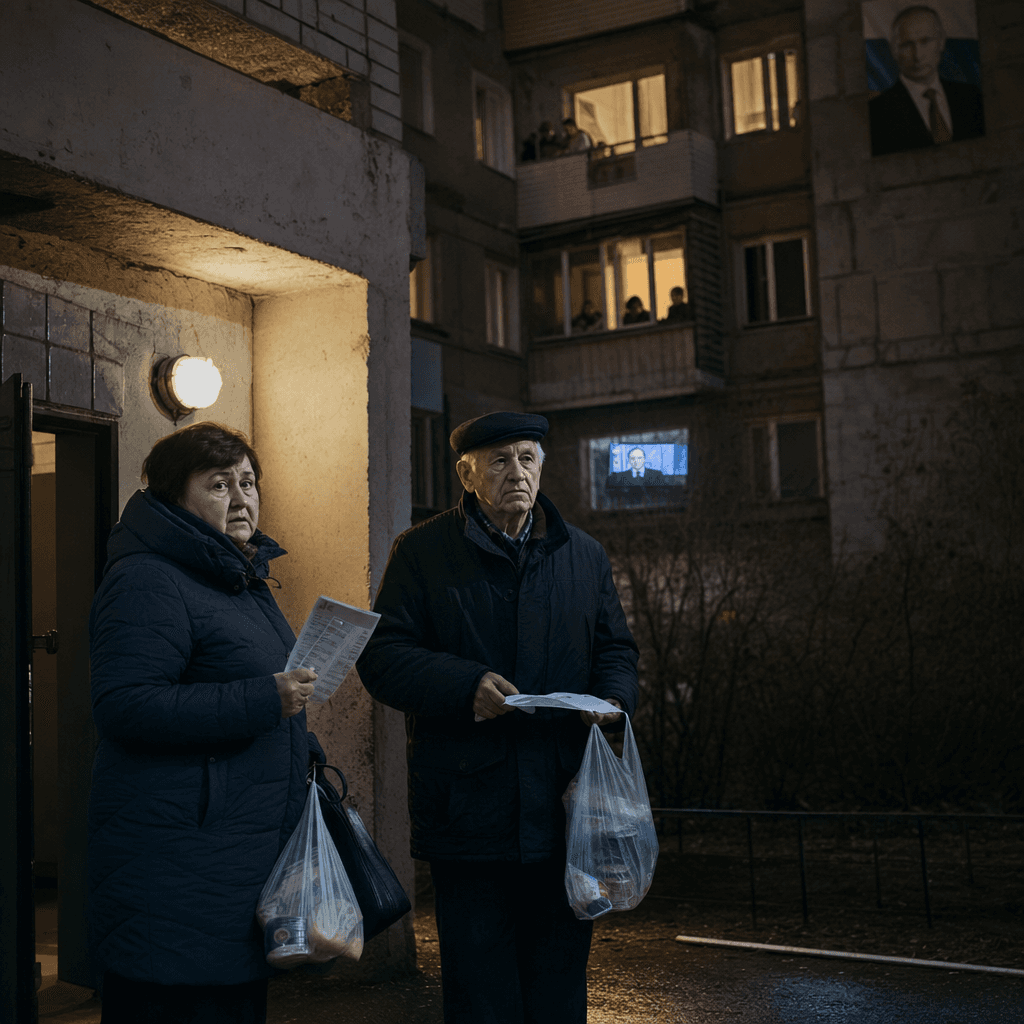
Russia’s Mood Turns on Putin as the War Comes Home
Drone strikes, internet cut-offs and battlefield drift are eroding Putin’s wartime shield — but the Kremlin still has coercive depth.
The real shift is domestic leverage. The Guardian reports that the mood in Russia is hardening against Vladimir Putin, and EFE’s coverage shows why: the war is no longer something Russians only read about from the front, but something that interrupts flights, burns refineries and hits apartment blocks at home (The Guardian,
EFE). That matters because Putin’s political bargain has always rested on control — over the battlefield, over the information space, and over the public’s sense that the state can absorb pain better than society can.
The war is no longer abstract
Ukrainian drones are now part of daily Russian politics, not just military news. On May 17, Russian authorities said at least three people were killed in the largest Ukrainian drone attack on Moscow and the surrounding region so far this year, with airports briefly suspended and air defenses claiming to have shot down 556 drones across 14 regions and the occupied Black Sea and Azov littorals (EFE). That kind of disruption does two things at once: it punctures the image of security in the capital, and it forces ordinary Russians to pay a direct price for a war that the Kremlin once tried to keep geographically distant.
This is compounded by the economic angle. EFE reported on May 2 that strikes on Russia’s oil sector have become more systematic, with maritime crude exports falling and refinery and terminal damage directly squeezing foreign-currency earnings needed for war production (EFE). Ukraine is not trying to outgun Russia head-on; it is trying to make the war expensive enough to matter inside Russia. That is a different kind of pressure, and it is more politically corrosive than setbacks at the front alone.
Putin’s coalition is thinning
The most telling signal is that criticism is no longer confined to liberal exiles. In March, EFE reported that pro-war “Z bloggers” — the ultranationalist voices that once amplified the invasion — were turning on the Kremlin over censorship, Telegram restrictions and battlefield stagnation (EFE). When that camp starts sounding angry, the regime loses one of its most useful buffers: nationalist enthusiasm that can be mobilized to excuse failure.
April polling cited by EFE suggested the same erosion in a softer form, with rising distrust, falling confidence and widening frustration over mobile internet shutdowns that the Kremlin justifies as security measures (EFE). The logic is straightforward. Security restrictions that were supposed to show strength now read as inconvenience, weakness and administrative panic. For a system built on competence theater, that is dangerous.
For the wider pattern, this sits squarely in Conflict: war is migrating from the border to the home front, and the home front is beginning to talk back.
What to watch next
The next test is whether the Kremlin can keep the nationalist camp aligned while the drone campaign continues through the summer. If attacks on refineries, airports and logistics nodes keep piling up, Putin will face a choice between tighter control and visible adaptation. The immediate political marker is the parliamentary election now less than five months away, when the regime will want to show that wartime fatigue has not spread upward into elite caution or downward into broader public resentment (EFE). If the mood keeps souring, the issue is no longer whether Putin can win the war narrative; it is how much longer he can keep the cost of failure from landing on his own coalition.
Discover more
India
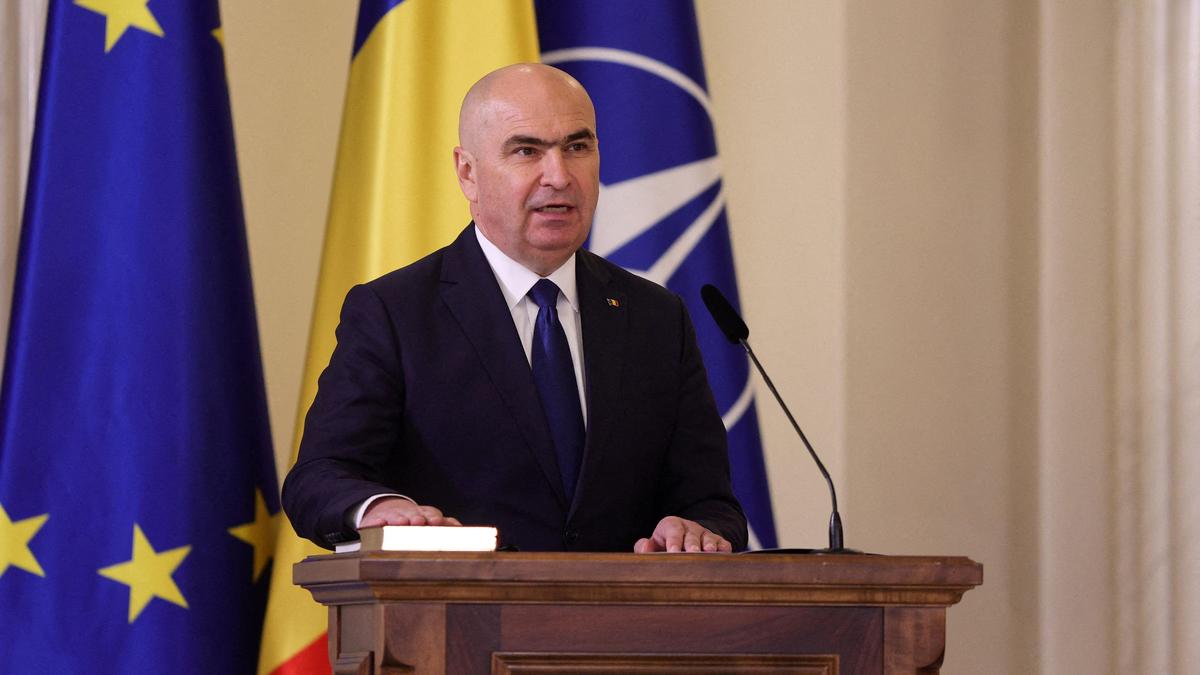
Romanian Coalition Party Demands PM Resign
Romania's Social Democrats withdrew from coalition, joining far-right AUR to topple PM Bolojan, risking €10 billion in EU funds by August 2026.

Conflict & Security
Drone Warfare Killing Aid Workers at Unprec
Over 1,000 humanitarian workers killed in three years as cheap armed drones collapse legal protections. Gaza, Sudan, Ukraine, and DRC see deliberate targeting of aid convoys and hospitals with zero prosecutions.

Global
World Normalises Taliban as Afghan Women Eras
UN data shows Afghan women erased from public life as Russia recognises the Taliban, EU hosts officials in Brussels, and ICC warrants for gender persecution go unenforced.
Conflict & Security
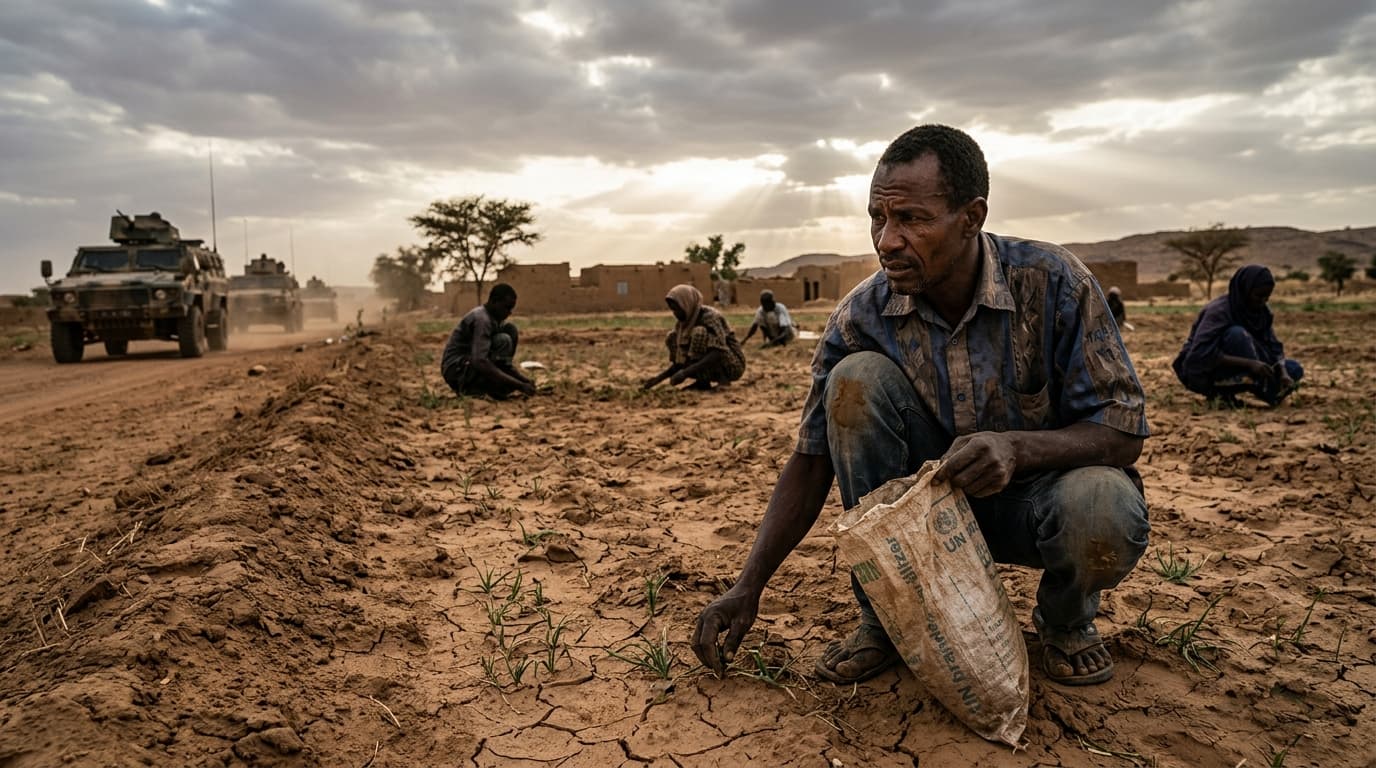
West Africa Food Crisis: Three Shocks in 2026
Conflict, climate extremes, and the Strait of Hormuz closure drive a severe food crisis in West and Central Africa, with fertilizer prices surging 80% and millions displaced.