Rubio’s Iran opening is leverage, not a deal
Analyzing the US-Iran negotiations and their implications.
Model Diplomat3 min readMiddle East
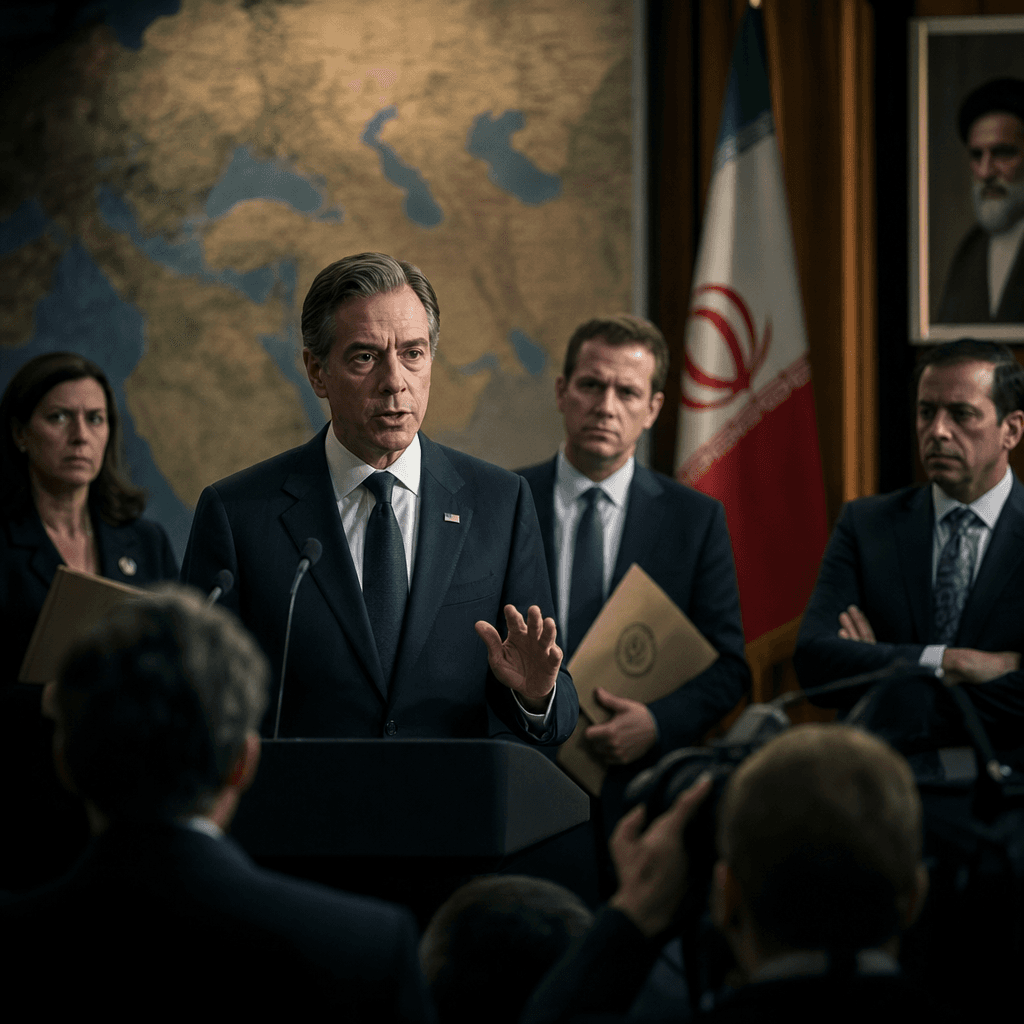
Rubio’s Iran opening is leverage, not a deal
Rubio is signaling that Washington sees an Iranian opening, but the real contest is over who blinks first on Hormuz, uranium, and sanctions.
Marco Rubio said US and Iranian negotiators have “a pretty solid thing on the table” and that a deal “may be reached on Monday,” but he also stressed that “we’re still a work in progress” and that Washington should not “rush into a deal” (BBC). That is the key message: the US is trying to turn a temporary military and economic squeeze into a negotiated pause, not a comprehensive settlement.
The leverage is still military and commercial
Washington’s leverage comes from pressure points it already controls. The BBC says the emerging arrangement reportedly involves a 60-day ceasefire extension, reopening the Strait of Hormuz, and further negotiations over Iran’s nuclear programme (BBC). That strait matters because it is the world’s main oil chokepoint, and any reopening would immediately matter to energy markets and shipping insurance.
But Iran still has leverage too. The same BBC report notes that Tehran has effectively blocked the waterway and that the US has kept a blockade on Iranian ports until an agreement is “reached, certified, and signed” (BBC). In other words, both sides are using the same route as a bargaining chip. That is why this looks less like a peace breakthrough than a managed de-escalation in which each side seeks to claim victory at home.
For policymakers following the wider regional balance, this is a Global Politics story as much as a US-Iran one: whoever normalizes traffic through Hormuz first gets immediate economic relief and diplomatic momentum.
A framework, not a final settlement
The bigger signal is what is not settled. BBC says the thorniest issues still on the table include sanctions relief, the release of frozen Iranian funds, and Washington’s demand that Iran curb its nuclear ambitions (BBC). Al Jazeera likewise reports that the emerging arrangement would split the process into phases: first, movement on the Strait of Hormuz; later, a longer negotiation on the nuclear file (
Al Jazeera).
That sequencing matters. It tells us the immediate objective is to reduce the cost of confrontation before anyone answers the hardest question: how much enriched uranium Iran must give up, and what sanctions relief Washington is prepared to deliver. Al Jazeera also reported that Iranian-aligned coverage described the talks as still “delicate,” with the Strait issue unresolved and the nuclear phase to come later (Al Jazeera). That suggests Tehran is treating Hormuz as the entry price, not the end state.
For the US, this buys time. For Iran, it buys economic relief and room to negotiate. The losers are the hardliners on both sides who want a clean climb-down from the other side and no compromise on enrichment or sanctions.
What to watch next
The next decision point is whether Trump or Rubio converts this public signaling into a formal announcement. BBC says Rubio was speaking in Delhi while Trump had already said negotiators should not rush, even after earlier suggesting a deal was close (BBC). Al Jazeera reports that US officials are prepared to keep pressure on if talks fail, which means the diplomacy is backed by force, not replacing it (
Al Jazeera).
Watch Monday for three things: whether the White House announces a framework or a real agreement; whether Tehran confirms any movement on Hormuz and uranium; and whether shipping insurers and oil traders treat the deal as credible enough to reprice risk. If those signals don’t line up, this “solid thing” is just another pause in a war by other means.
Discover more
Global Politics
Trump's Conflicting Messages on Iran War
Trump's mixed messages on Iran reflect a strategy of audience management, benefiting Tehran amid a complex geopolitical landscape.

Conflict & Security
Drone Warfare Killing Aid Workers at Unprec
Over 1,000 humanitarian workers killed in three years as cheap armed drones collapse legal protections. Gaza, Sudan, Ukraine, and DRC see deliberate targeting of aid convoys and hospitals with zero prosecutions.

Global
World Normalises Taliban as Afghan Women Eras
UN data shows Afghan women erased from public life as Russia recognises the Taliban, EU hosts officials in Brussels, and ICC warrants for gender persecution go unenforced.
Conflict & Security
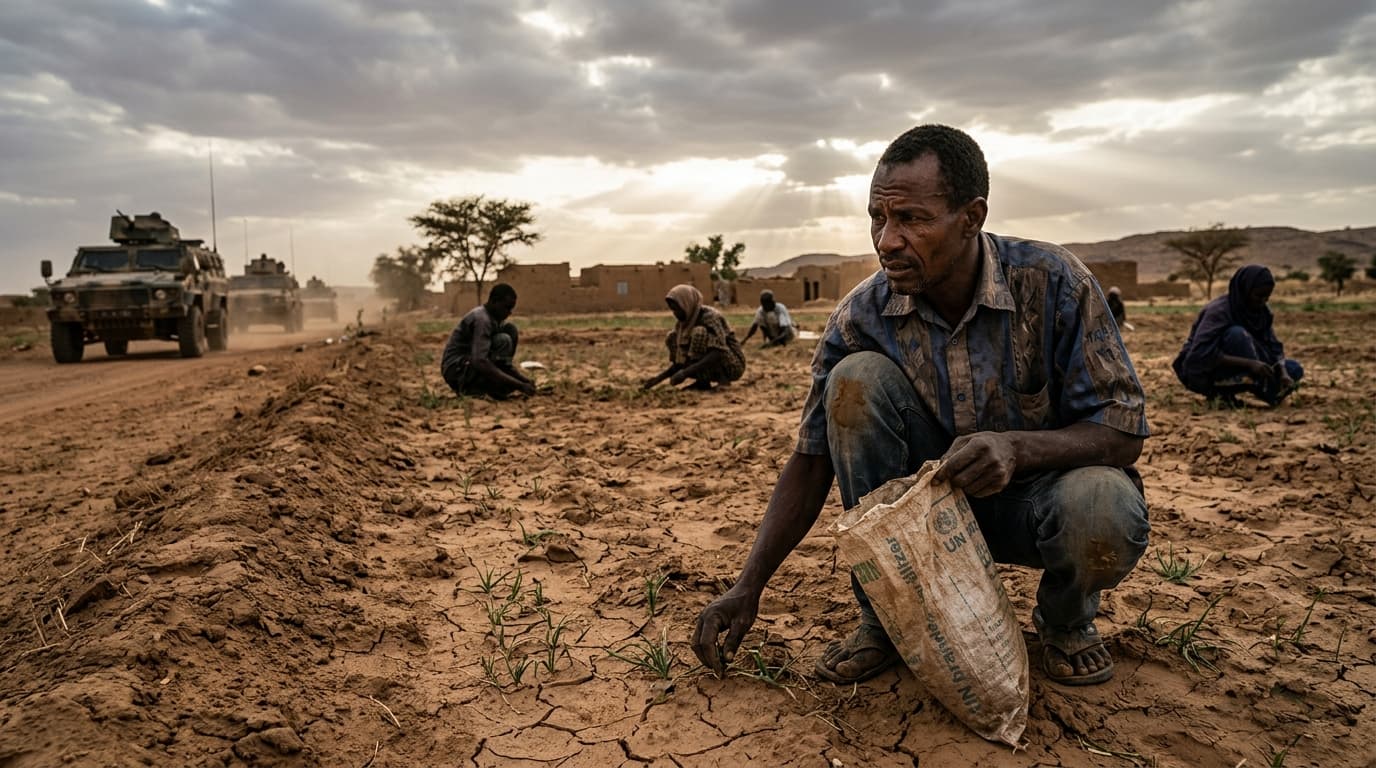
West Africa Food Crisis: Three Shocks in 2026
Conflict, climate extremes, and the Strait of Hormuz closure drive a severe food crisis in West and Central Africa, with fertilizer prices surging 80% and millions displaced.