Rubio Turns Hormuz Into the Deal’s Real Battlefield
Rubio claims progress in U.S.-Iran talks over Hormuz control.
Model Diplomat3 min readMiddle East
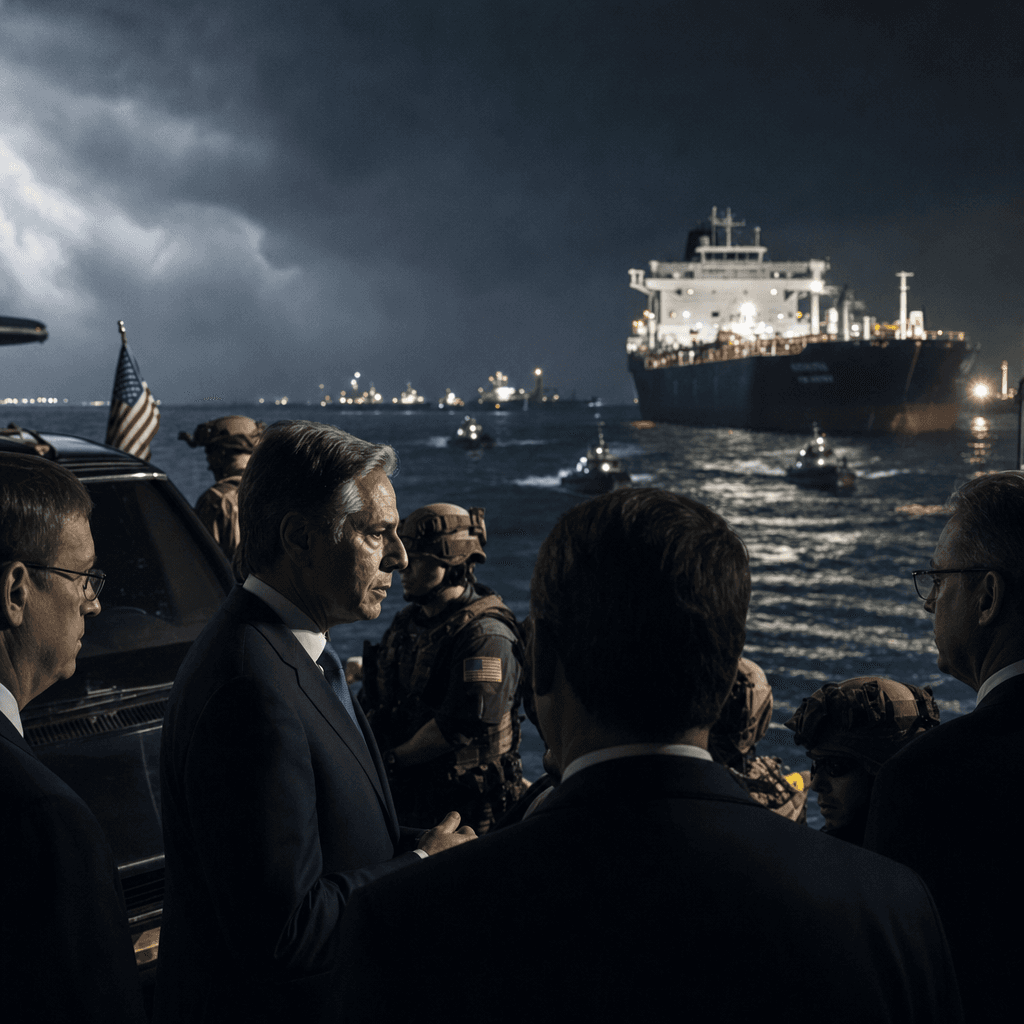
Rubio Turns Hormuz Into the Deal’s Real Battlefield
Rubio’s “significant progress” claim shows Washington is chasing a face-saving pause, but Tehran still holds the leverage on shipping, sanctions, and uranium.
Secretary of State Marco Rubio said the U.S. had made “significant progress” in talks to end the war with Iran, and suggested the world could get “good news” within hours, after President Donald Trump said a memorandum of understanding was “largely negotiated” (Al Jazeera). The immediate issue is not the nuclear file alone; it is who controls the Strait of Hormuz, because that chokepoint is the source of Iran’s leverage and the trigger for global economic pain (
BBC News).
Hormuz is the bargaining chip
Rubio said the emerging deal would address Trump’s concerns about Hormuz and eventually lead to a situation where Iran no longer poses a nuclear threat (Al Jazeera). That sequencing matters: Tehran is not being asked to solve everything at once, but to first reopen maritime traffic and then keep talking on the nuclear issue over a 30- to 60-day window, according to the framework described by Iranian and regional sources (
Al Jazeera;
BBC News).
That is why the Strait now outweighs the headline about “peace.” Iran can produce quick, visible relief for global markets by restoring shipping; Washington can claim it forced movement without immediately conceding on enrichment or sanctions. The Global Politics angle is simple: whichever side gets the first irreversible concession gets the stronger narrative going into the next round.
Tehran wants money and breathing room
The Iranian side is signaling that any agreement has to include the release of frozen funds and an end to the U.S. naval blockade, while also halting fighting “on all fronts,” including Lebanon, according to reporting carried by Al Jazeera and Iranian media cited there (Al Jazeera). That is not a side issue. It is Tehran’s attempt to translate battlefield pressure into financial relief and regional restraint.
The BBC noted that the Strait of Hormuz normally carries around a fifth of global oil and gas flows, which is why even the prospect of reopening it would ease pressure on energy prices and reduce the shock to shipping insurance and supply chains (BBC News). In practical terms, the winners from a memorandum would be energy markets, Gulf governments trying to contain spillover, and Trump, who can argue he prevented a wider regional blowup without a prolonged U.S. commitment.
The losers are clearer: Israel loses freedom to keep escalating, Iran loses the coercive value of a closed strait if it gives that up too early, and hardliners in Washington lose the case for immediate renewed strikes if a deal looks imminent (Al Jazeera;
Al Jazeera).
What to watch next
The next decision point is whether Trump actually announces a signed memorandum, and whether Pakistan and Oman can lock in the sequencing between Hormuz, frozen assets, and the nuclear follow-on talks. Al Jazeera reported Iranian sources saying the gaps remain “deep and significant,” while Rubio framed the talks as close enough to produce news “in the next few hours” (Al Jazeera;
Al Jazeera). That is the real test: whether this is a tactical pause around Hormuz, or the start of a broader bargain.
Discover more

Global Politics
US Seizes Iranian Ship, Tensions Surge
The US seizure of the Iranian ship Touska highlights a shift in control over the Strait of Hormuz, favoring Iran's strategic position.

Conflict & Security
Drone Warfare Killing Aid Workers at Unprec
Over 1,000 humanitarian workers killed in three years as cheap armed drones collapse legal protections. Gaza, Sudan, Ukraine, and DRC see deliberate targeting of aid convoys and hospitals with zero prosecutions.

Global
World Normalises Taliban as Afghan Women Eras
UN data shows Afghan women erased from public life as Russia recognises the Taliban, EU hosts officials in Brussels, and ICC warrants for gender persecution go unenforced.
Conflict & Security
West Africa Food Crisis: Three Shocks in 2026
Conflict, climate extremes, and the Strait of Hormuz closure drive a severe food crisis in West and Central Africa, with fertilizer prices surging 80% and millions displaced.