Rubio Raises the Pressure on Iran Talks
U.S. signals tough stance in Iran negotiations
Model Diplomat3 min readMiddle East
Rubio Raises the Pressure on Iran Talks
Washington is keeping the deal alive while making clear that failure could trigger coercive measures, not a reset. The leverage fight is over sequencing and timing.
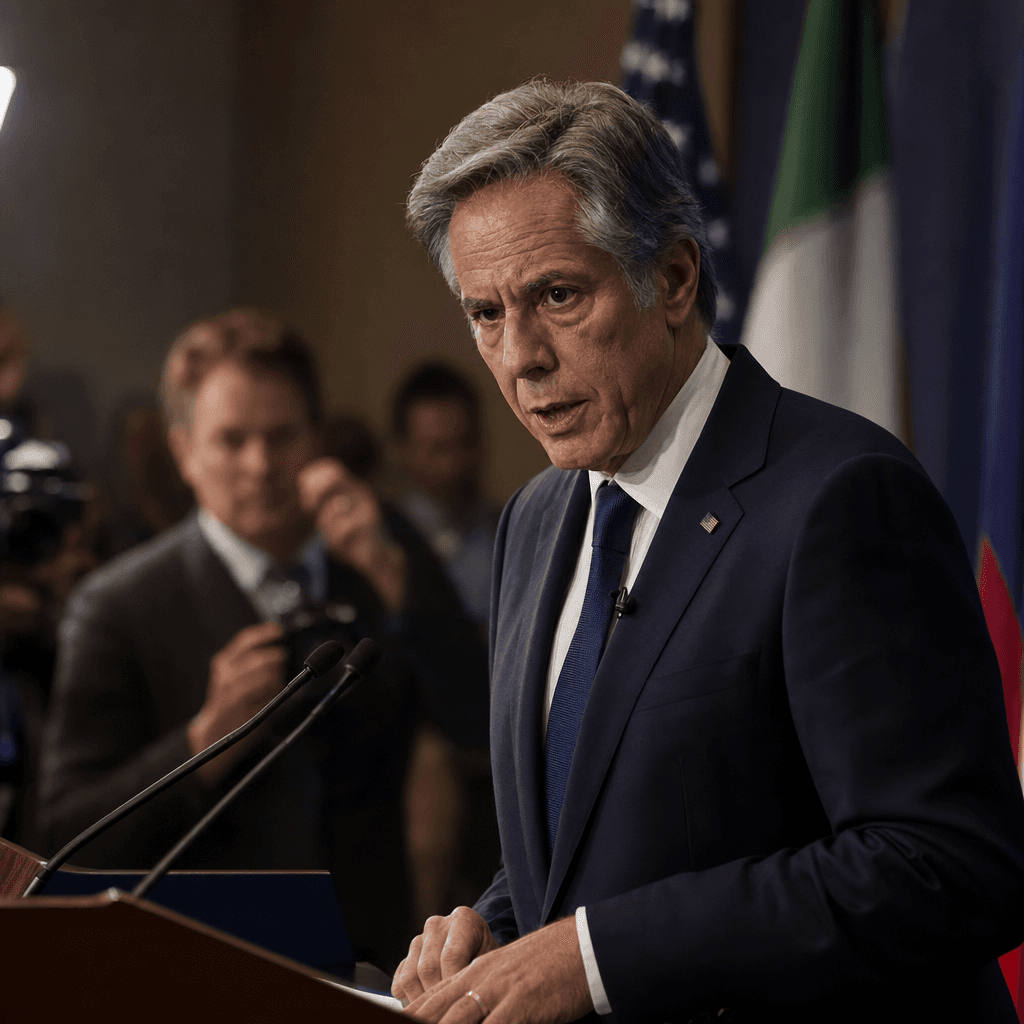
Marco Rubio has signaled that the United States will pursue “another way” if talks with Iran do not produce a deal, a message that keeps both diplomacy and coercion on the table as negotiations wobble, according to Reuters and
Al Jazeera. That is not a negotiating flourish. It is Washington telling Tehran that time is not automatically on Iran’s side — and that the White House is prepared to escalate if the current track stalls.
What Washington is signaling
Rubio’s line matters because it narrows Iran’s room to stall without cost. In New Delhi, he said the administration has “a pretty solid thing on the table” but warned not to read too much into the timing, because it still takes time to hear back from Iran, BBC reported. Al Jazeera said Rubio framed the choice as either a “good agreement” or dealing with Iran “another way,” while also noting Trump’s public caution that negotiators should not rush into a deal,
Al Jazeera.
That sequencing is the power dynamic. The U.S. wants Iran to accept an arrangement first on movement through the Strait of Hormuz and only then continue on the nuclear file, according to Al Jazeera. Tehran, by contrast, wants sanctions relief and access to frozen assets up front, with the hardest nuclear issues postponed,
BBC and
Al Jazeera reported.
Why this matters beyond the negotiating room
The current talks are not just about centrifuges. They are also about shipping lanes, sanctions, and who blinks first. Al Jazeera reported that the emerging package would reopen the Strait of Hormuz and leave some of the most difficult nuclear questions for later, while a U.S. official said Iran had agreed “in principle” to dispose of highly enriched uranium in exchange for a U.S. naval blockade being lifted, Al Jazeera said. Reuters’ headline capture of Rubio’s warning fits that logic: Washington is trying to preserve leverage over Iran’s nuclear program without looking weak if talks drag.
That approach benefits the Trump administration politically if it can claim a tougher, transactional deal. It also benefits regional states that want the Strait reopened and the crisis contained. The losers are the usual ones in any drawn-out coercive bargain: Iranian hardliners who need sanctions relief fast, and U.S. officials who have to prove they can extract concessions without getting trapped in endless follow-on talks. For background on the wider regional contest, see Global Politics.
What to watch next
The next decision point is whether Tehran responds to the U.S. package with a yes, a counterproposal, or silence. BBC said Rubio was speaking as talks were still “a work in progress,” and
Al Jazeera noted there was no immediate Iranian response. If Iran balks at the sequencing — especially uranium disposition and sanctions relief — Rubio’s “another way” line becomes the operative policy, not a fallback. That is the moment to watch.
Discover more
Global
Qatari Tanker Strike Exposes Hormuz Tensions
A Qatari tanker was struck off Oman, revealing the fragility of the Hormuz ceasefire and Iran's influence over maritime security.
Global
Khamenei's Funeral Signals Iran's Decline
The funeral of Ayatollah Khamenei highlights Iran's diminished influence in the Gulf, with regional powers now dictating terms.
Global
Iran's Hormuz Missile Strikes: A Toll Booth
Iran's missile attack on a Qatari-linked tanker highlights Tehran's strategy to control the Strait of Hormuz, impacting Gulf states and maritime law.
Tech Policy
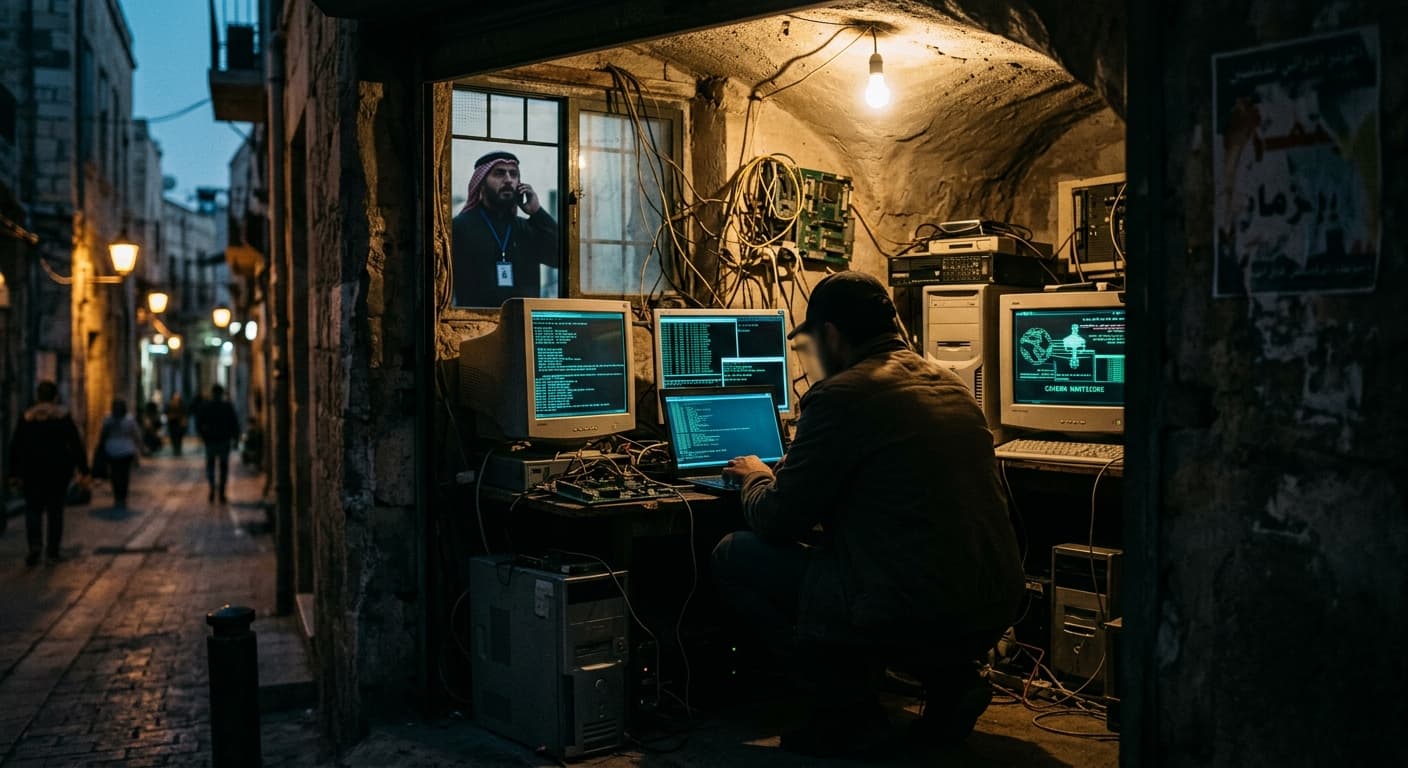
Iran's Cavern Manticore Targets Israel's IT
Cavern Manticore, an Iran-linked hacking group, targets Israeli IT vendors, prompting a shift in Israel's cybersecurity policy and legislative efforts.