Rubio Navigates Hormuz Crisis Amid Iran Tact
Rubio leads U.S. response amid rising tensions in Hormuz.
Model Diplomat2 min readMiddle East
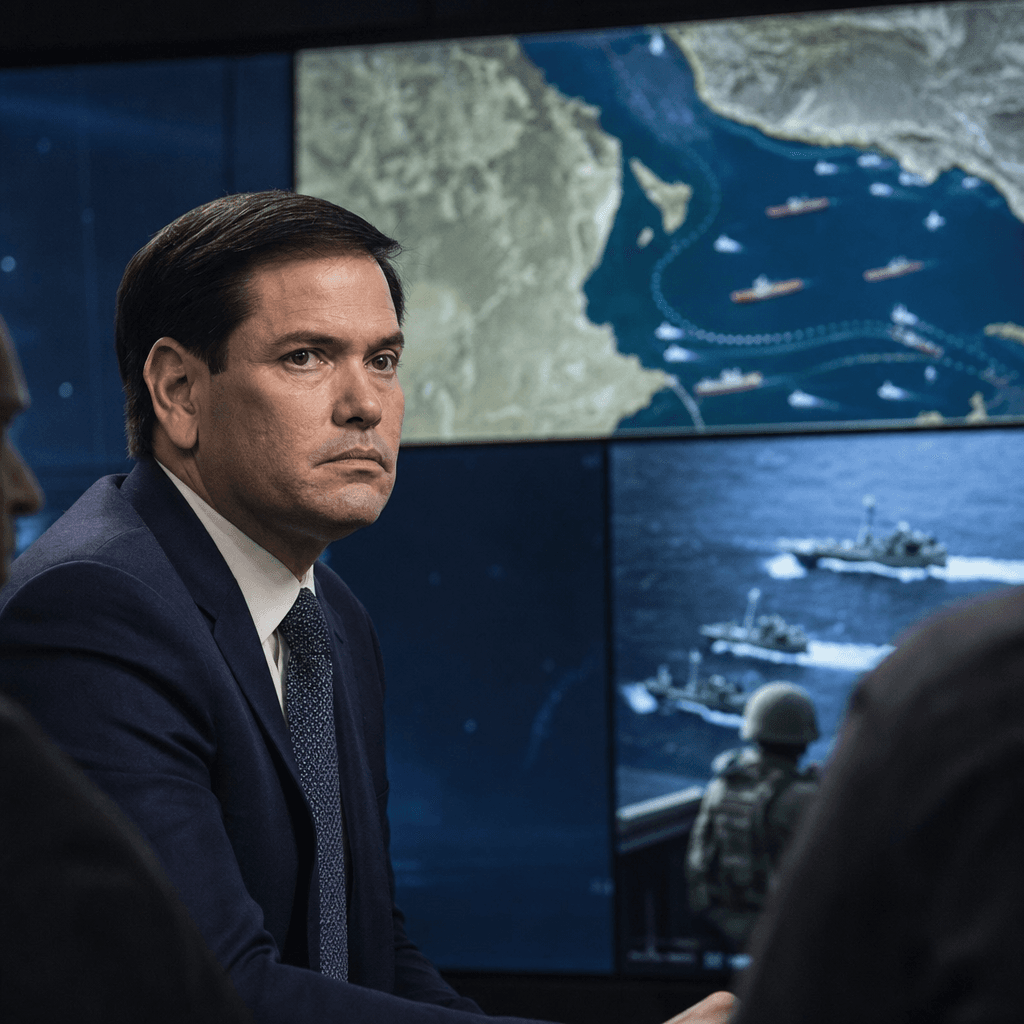
Rubio Faces Hormuz Crisis as Iran Tests U.S. Leverage
Rubio is the public face of a U.S. response that mixes diplomacy, naval pressure and Congress-facing messaging as Hormuz turns volatile.
Marco Rubio is doing more than running a briefing line: he is fronting the administration’s effort to show that Washington still controls the escalation ladder in the Strait of Hormuz, even as Iran keeps proving it can raise the cost of every move the U.S. makes. The immediate message is about calm and containment; the real objective is to preserve U.S. freedom of action while stopping markets, allies and Congress from concluding that Tehran has seized the initiative. Reuters
The Hill
Why Rubio matters here
Rubio’s leverage is political, not operational. The navy can escort ships and the Treasury can threaten sanctions, but the secretary of state is the one selling the strategy to lawmakers, allies and insurers. That matters because the administration is trying to frame the crisis as a limited defense of navigation, not a broader war with Iran. In March, Rubio told reporters the U.S. would move to blunt the oil-price shock from the conflict, a sign that the White House sees energy markets as part of the battlefield. Reuters
The other side of the ledger is Tehran’s leverage. Iran’s ability to obstruct traffic through Hormuz is exactly why Washington is now pushing both a U.N. resolution and a maritime coalition: the U.S. wants to internationalize the problem before the shipping disruption becomes a permanent toll gate. Reuters reported on May 4-5 that the U.S., Bahrain and other Gulf states are drafting a Security Council text that would condemn Iranian attacks on shipping and could open the door to sanctions if Iran does not back down. Reuters
Reuters
Who benefits, who loses
The immediate beneficiaries are Gulf states that want the strait reopened without appearing to fight Iran alone, and shipping states in Asia that depend on the route. The losers are Iranian hardliners if the U.S. succeeds in building a broad coalition that turns Hormuz from a unilateral pressure point into a multilateral enforcement problem. The U.S. also gains something narrower but important: a way to show United States lawmakers it is managing the crisis without stumbling into an open-ended campaign. For a broader lens, see
Global Politics.
Reuters
Reuters
What to watch next
The next decision point is diplomatic and immediate: Reuters says Security Council talks begin Tuesday, with Washington aiming for a final draft by May 8 and a vote early next week. If the text hardens, Iran will treat it as escalation; if it softens, Washington will be signaling that it needs partners more than it wants to punish Tehran. Either way, Rubio’s next briefing will be judged on one thing: whether the U.S. can keep Hormuz open without conceding that Iran sets the terms. Reuters
Discover more

Global Politics
US Seizes Iranian Ship, Tensions Surge
The US seizure of the Iranian ship Touska highlights a shift in control over the Strait of Hormuz, favoring Iran's strategic position.

Conflict & Security
Drone Warfare Killing Aid Workers at Unprec
Over 1,000 humanitarian workers killed in three years as cheap armed drones collapse legal protections. Gaza, Sudan, Ukraine, and DRC see deliberate targeting of aid convoys and hospitals with zero prosecutions.

Global
World Normalises Taliban as Afghan Women Eras
UN data shows Afghan women erased from public life as Russia recognises the Taliban, EU hosts officials in Brussels, and ICC warrants for gender persecution go unenforced.
Conflict & Security
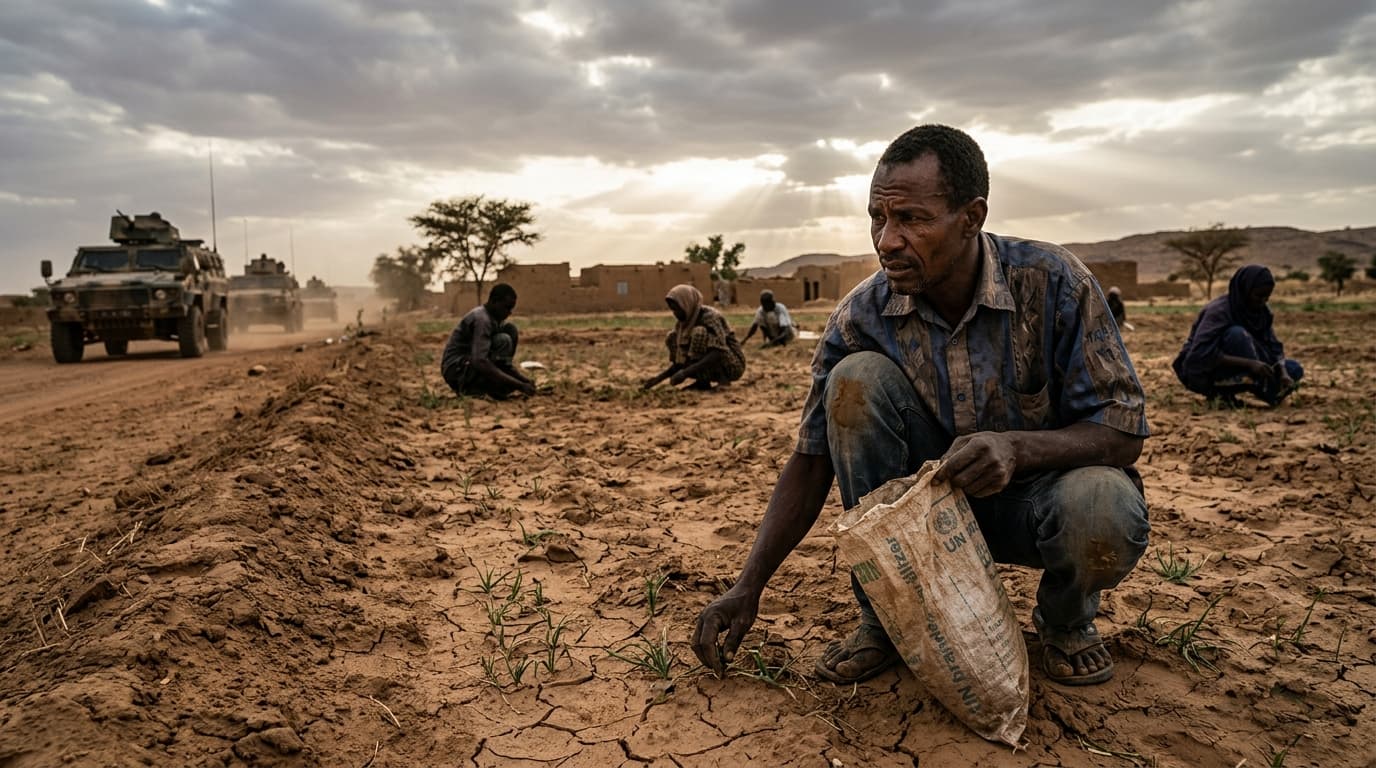
West Africa Food Crisis: Three Shocks in 2026
Conflict, climate extremes, and the Strait of Hormuz closure drive a severe food crisis in West and Central Africa, with fertilizer prices surging 80% and millions displaced.