Trump's Legal Battle Over East Potomac Golf
A lawsuit tests federal land control and public access in D.C.
Model Diplomat3 min readNorth America

Trump Tests Federal Leverage at East Potomac Links
The lawsuit is about more than golf: it is a fight over who controls high-value federal land in Washington and what “public access” means.
The Trump administration holds the leverage because it controls the land. Democracy Forward asked a federal judge on Sunday to block plans that could shutter East Potomac Golf Links, turning a management dispute into an urgent test of whether the White House can use federal control over a public course to force a broader redevelopment fight. The case follows the administration’s December notice of default and subsequent termination of the National Links Trust lease covering East Potomac, Langston and Rock Creek Park golf courses. The administration says the nonprofit failed to meet rent and capital-investment obligations; National Links Trust says it complied with the lease and invested roughly $8.5 million under a framework that allowed approved improvements to offset rent. Confusion surrounds East Potomac shutdown
Trump takes first step in possible bid to control D.C.’s public golf courses
Future of D.C. golf courses uncertain as Trump administration terminates lease
Trump administration terminates nonprofit’s control over DC golf courses in possible takeover bid | CNN Politics
Why this matters
East Potomac is not just a municipal course; it is federally owned waterfront land in the capital, which gives the administration unusual room to act without depending on D.C. City Hall. That is why this fight matters beyond recreation policy and fits a broader pattern in US Politics: control of federal property in Washington can be turned into executive leverage over local public space.
Trump terminates lease of Washington DC golf courses
United States
The administration’s strongest argument is procedural: a landlord can enforce a contract and replace an operator. Its political opportunity is larger. A Washington Post report on Friday said a nonprofit tied to fundraising for Trump was seeking donations for plans involving East Potomac and a National Garden of American Heroes, suggesting the course is part of a wider attempt to reshape symbolic federal ground, not just fix a lease dispute. Opponents are pressing the opposite case: that changing control here could narrow affordable public access and repurpose a public amenity through executive muscle rather than a transparent planning process. Senators were already demanding answers from Interior in January, and an earlier lawsuit challenged the overhaul on public-access and safety grounds. Nonprofit seeks donations for Trump’s Garden of Heroes, East Potomac Golf
Senators seek answers from administration over terminated D.C. golf lease
Trump golf course overhaul faces lawsuit over public access, safety
Trump terminates lease of Washington DC golf courses
What to watch next
The immediate decision point is the judge’s response to Democracy Forward’s emergency request. If the court pauses the plan, the administration loses momentum and the dispute stays inside lease law. If the court refuses, Interior and its allies gain time to make a facts-on-the-ground argument about new management or redevelopment. After that, watch for two signals: whether Interior produces a clear operator or redesign plan, and whether congressional scrutiny hardens into a broader investigation of how the administration is using federal land in Washington. Confusion surrounds East Potomac shutdown
Senators seek answers from administration over terminated D.C. golf lease
Discover more
US Politics
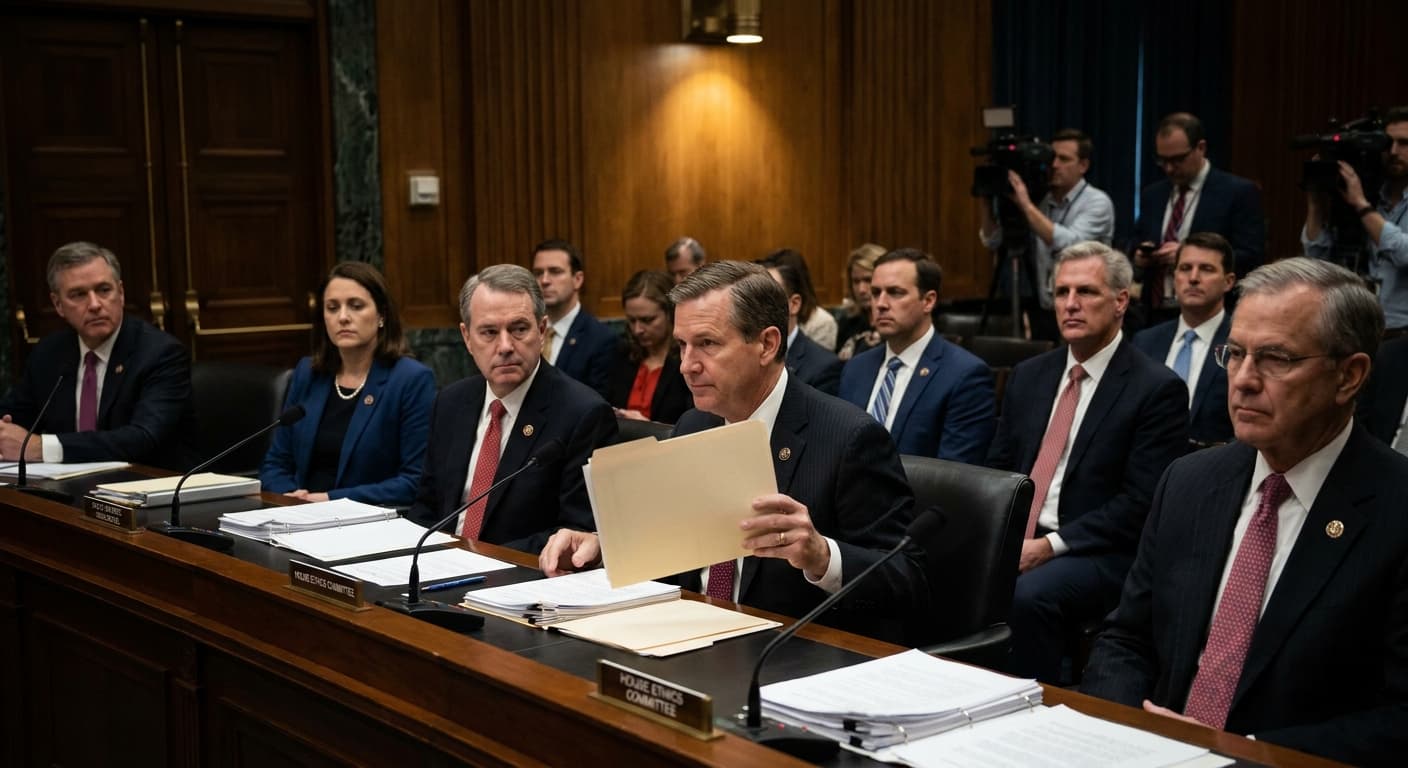
House Ethics Committee Pushes Sexual Miscond.
The House Ethics Committee has shifted responsibility for sexual harassment settlement records to the Office of Congressional Workplace Rights, complicating disclosure efforts.

Conflict & Security
Drone Warfare Killing Aid Workers at Unprec
Over 1,000 humanitarian workers killed in three years as cheap armed drones collapse legal protections. Gaza, Sudan, Ukraine, and DRC see deliberate targeting of aid convoys and hospitals with zero prosecutions.

Global
World Normalises Taliban as Afghan Women Eras
UN data shows Afghan women erased from public life as Russia recognises the Taliban, EU hosts officials in Brussels, and ICC warrants for gender persecution go unenforced.
Conflict & Security
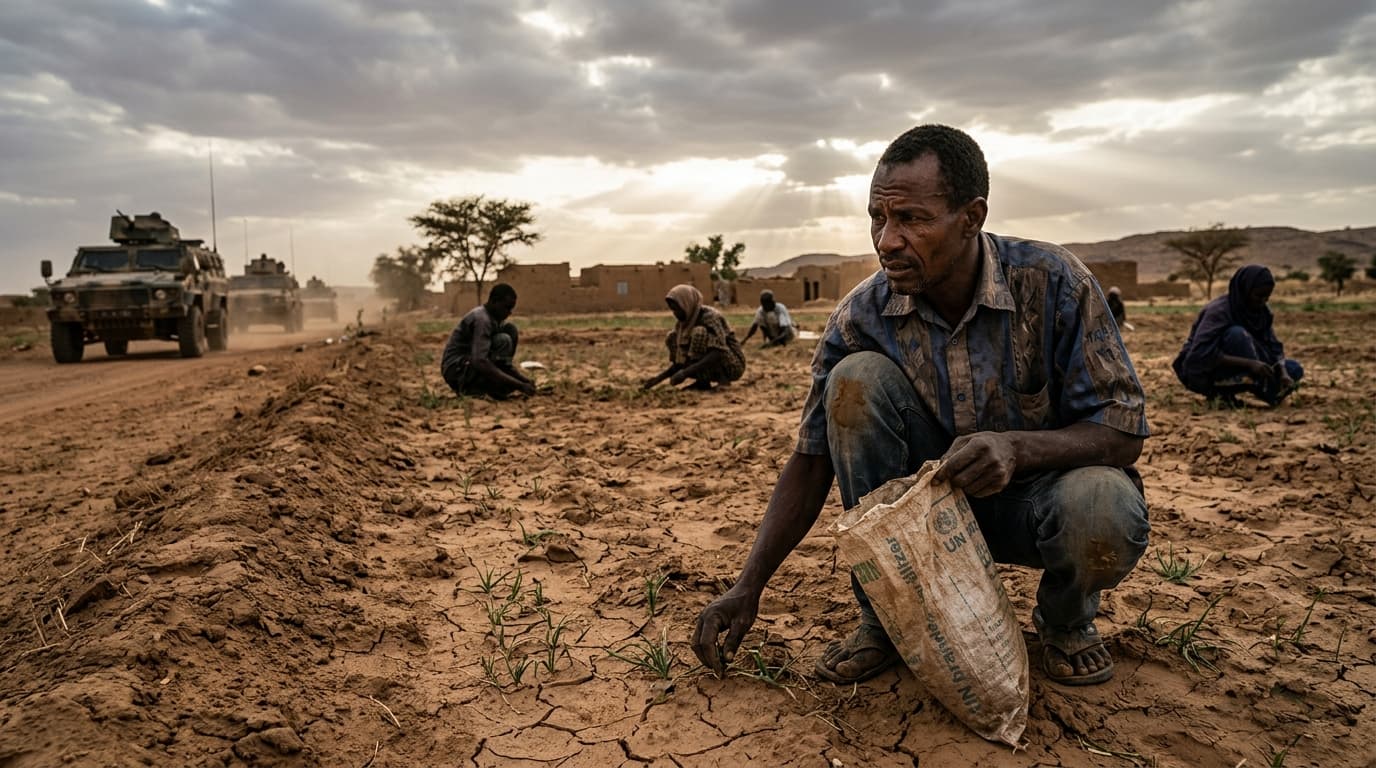
West Africa Food Crisis: Three Shocks in 2026
Conflict, climate extremes, and the Strait of Hormuz closure drive a severe food crisis in West and Central Africa, with fertilizer prices surging 80% and millions displaced.