EU-Indian Ocean Trade Deal Sparks Réunion Out
Réunion's deputies demand consultation on new trade deal.
Model Diplomat3 min readafrica
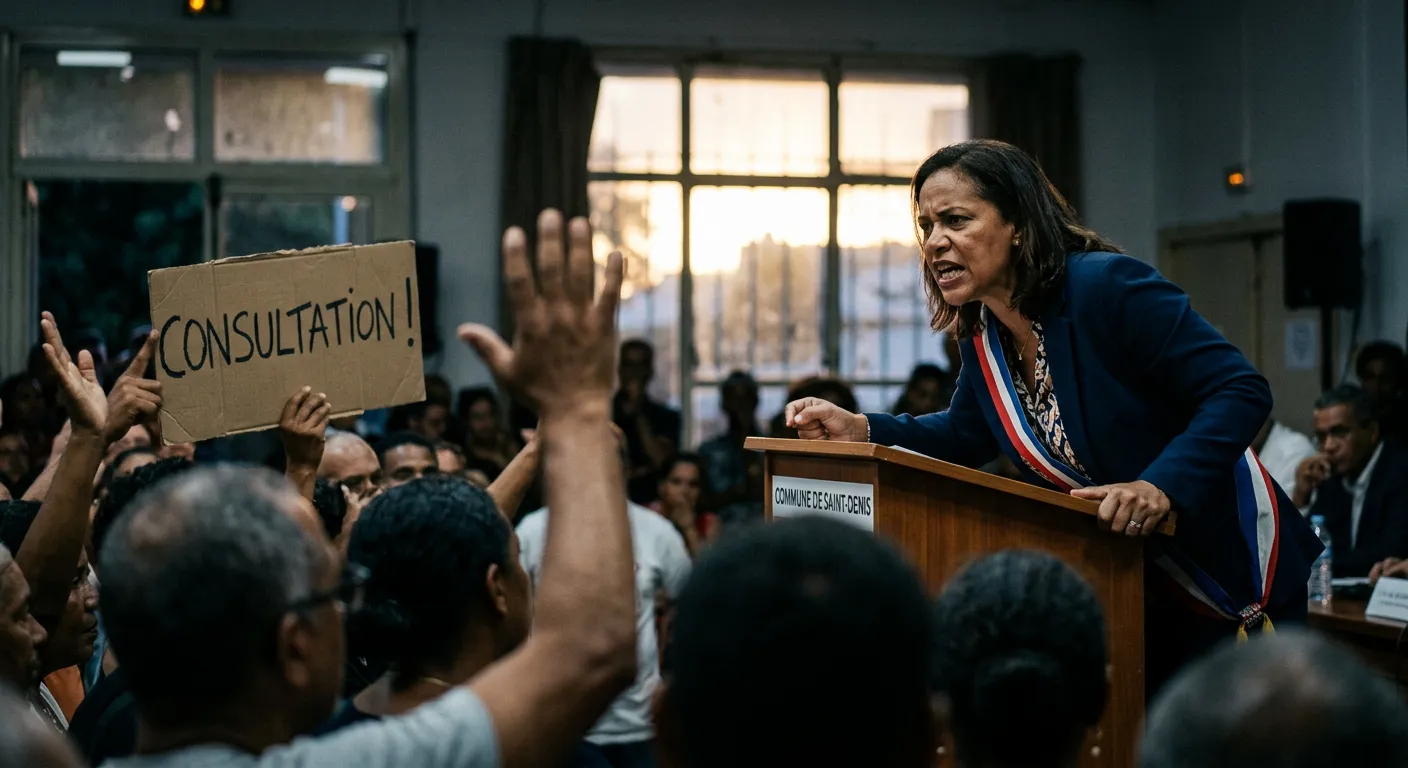
EU-Indian Ocean Trade Deal Lands on Réunion Without Its Consent
On June 10, the EU concluded its first modern FTA in Sub-Saharan Africa. Réunion's deputies weren't consulted — and they're demanding answers before Paris ratifies.
On June 10, 2026, the European Union and four Indian Ocean states — Comoros, Madagascar, Mauritius, and Seychelles — concluded negotiations on an enhanced Economic Partnership Agreement that transforms what was once a goods-focused pact into a comprehensive deal covering services, investment, digital trade, and public procurement. Commissioner Maroš Šefčovič joined the ceremony in Mauritius by videoconference. The EU called it a "historic milestone in EU-Africa relations." EEAS Two weeks later, two Réunion deputies fired back.
Perceval Gaillard and Jean-Hugues Ratenon — both from La France Insoumise — wrote to French Foreign Minister Jean-Noël Barrot on June 23 demanding that Réunion and Mayotte be consulted before France ratifies the accord. They were joined by Younous Omarjee, the Réunionnais Vice-President of the European Parliament, who had already gone public on June 11: "The European Commission moved toward concluding this EPA without having — neither closely nor remotely — associated and consulted the outermost European islands of the Indian Ocean." Entrepreneur.re
What's in the deal
The enhanced EPA builds on an interim agreement that has been provisionally applied since 2012. The earlier version focused almost exclusively on goods. The new text opens services across a wide range of sectors: telecommunications, financial services, maritime transport, engineering, accounting, IT, and consulting. It guarantees non-discriminatory treatment for investors, facilitates temporary professional mobility between signatory countries, and commits the EU to the most favorable treatment given to any foreign investor in ESA4 markets. EU Commission Factsheet
Total EU-ESA4 trade hit €9.7 billion in 2024 — 58% of it in services. EU foreign direct investment in the broader ESA-5 group stands at €21.2 billion. EU Commission — ESA Trade The Commission frames the deal as a tool to diversify supply chains and strengthen Europe's position in a region where average GDP growth is projected at 3.6% for 2026–2027.
Brussels also sees the ESA4 EPA as a template. It is the EU's first "modern and comprehensive" free trade agreement with Sub-Saharan African partners, and it remains open for other ESA states to join — Zimbabwe is already negotiating accession.
Why Réunion is alarmed
Réunion is a French département d'outre-mer and an EU outermost region, sitting 700 km east of Madagascar. For European capitals, competition from Mauritian IT firms or Malagasy accounting services is an abstraction. For Réunion, it is direct and immediate. "The wage cost gaps are considerable," Gaillard and Ratenon wrote, pointing to sectors like IT, accounting, telecom, and consulting that could face "increased regional competition." Témoignages.re
The Parti Communiste Réunionnais put it more bluntly: the deal "will only favor delocalizations to Madagascar in sectors like IT, accounting, communications, or banking, where the workforce is at least as competent and paid less than the RSA." Entrepreneur.re
The structural grievance runs deeper than this single agreement. As one Réunion analyst noted, the island is "European when it must apply the agreements, invisible when it must negotiate them." Parallèle Sud Réunion's regional councils have no seat at the table when Brussels negotiates trade deals whose geographic center of gravity sits squarely in Réunion's neighborhood. The EPA also raises questions about the future of the octroi de mer — a local import tax that funds municipal services and is a pillar of Réunion's public finances. If ESA4 partners view it as a trade barrier, pressure to dismantle it could follow.
Témoignages.re — Octroi de Mer
What to watch
Parliamentary scrutiny is the next battleground. The negotiated texts must go through the Council for adoption, then the European Parliament for consent, then ratification by each signatory state — including France. Omarjee has pledged to consult Réunion and Mayotte authorities before the European Parliament votes. That vote could become a vehicle for demands — safeguards for local industries, impact studies, or a formal consultation mechanism for EU outermost regions in future trade negotiations.
The EPA also includes a development cooperation chapter with provisions for a EU-ESA Business Forum, joint committees, and a trilateral platform linking the Commission, EU member states, and ESA4 governments. Whether Réunion gets a meaningful voice in those institutions — or remains a bystander as the regional economic architecture is rebuilt around it — will determine whether the deal's benefits reach the island or its costs land disproportionately there.
Discover more

US Politics
SNAP Food Assistance Faces Legal Challenges
In 2026, SNAP faces stricter eligibility rules and mounting legal challenges, threatening food assistance for the millions of Americans who rely on the program.
US Politics
House Ethics Committee Pushes Sexual Miscond.
The House Ethics Committee has shifted responsibility for sexual harassment settlement records to the Office of Congressional Workplace Rights, complicating disclosure efforts.

Global Politics
US Seizes Iranian Ship, Tensions Surge
The US seizure of the Iranian ship Touska highlights a shift in control over the Strait of Hormuz, favoring Iran's strategic position.

Conflict & Security
Drone Warfare Killing Aid Workers at Unprec
Over 1,000 humanitarian workers killed in three years as cheap armed drones collapse legal protections. Gaza, Sudan, Ukraine, and DRC see deliberate targeting of aid convoys and hospitals with zero prosecutions.