2026 US House Redistricting Battles Intensify
Key states vie for partisan advantage in congressional maps
Model Diplomat3 min readUnited States

Redistricting battle narrows for US House as states seek partisan edge in November elections
The redistricting fight ahead of the 2026 midterms has constricted to a handful of key states, intensifying the stakes of upcoming congressional races.
The once-wide contest over U.S. House district maps has largely settled, shrinking to disputes in just a few states with major control over the 435 seats. This consolidation reflects both strategic settling and judicial rulings since the 2020 census reshaped district lines. The outcomes in these battleground states will decisively influence the partisan makeup of the House after the November 2026 midterms.
Why the battle narrowed
Redistricting is typically chaotic immediately after the decennial census, as state legislatures redraw districts under new population data. Many proposed maps face legal challenges, often accusing parties of partisan gerrymandering—manipulating boundaries to protect incumbents or maximize one party’s advantages.
Since 2022, several states have finalized or had their maps approved by courts, leaving fewer unresolved disputes by mid-2026. The narrowing focuses attention on states with razor-thin partisan balances or ongoing lawsuits, including battlegrounds like Pennsylvania, North Carolina, and Florida. These states can tip the House majority.
The winnowing of this fight matters because nearly all House races will use settled maps, stabilizing campaign strategies and funding allocation. However, the remaining contests in key states could shift competitive dynamics dramatically.
Why it matters for the midterms
The U.S. House majority hinges on slim margins: Republicans and Democrats are closely split, with control shifting after each election cycle. Redistricting influences how competitive districts are, often predetermining winners before any votes are cast.
In the 2022 midterms, disputed maps created both shock defeats and surprising holds. This cycle, controlling the final map disputes means controlling the battlegrounds. For example, a more favorable map for Republicans in Pennsylvania could bolster their slim majority, while a Democratic-leaning map in Florida could limit GOP gains.
Beyond control, the redistricting battle signals broader trends about how states manage electoral power amid demographic shifts. States losing or gaining population adjust districts, but partisanship shapes whether those adjustments enhance representation or entrench political advantage.
What to watch next
- Judicial rulings: Courts could intervene in disputes in states like North Carolina or Pennsylvania, potentially redrawing maps close to the election and disrupting campaigns.
- State legislative action: Some states may attempt last-minute adjustments or interpret court orders differently, reigniting controversy.
- Campaign strategies: Parties and interest groups will closely monitor these states, deploying resources where maps offer the sharpest partisan edges.
- Voter responses: Public opinion on map fairness and electoral integrity in these battleground states could influence turnout, adding uncertainty.
The narrowing of the redistricting fight merely concentrates the high stakes. The outcomes in a few pivotal states will shape the U.S. House chamber’s partisan composition and, by extension, the legislative agenda in the 2027-2028 session.
For a broader look at how redistricting shapes U.S. electoral politics, see our US Politics overview.
Source: Redistricting battle for US House narrows ahead of midterms | AP News
Discover more
US Politics
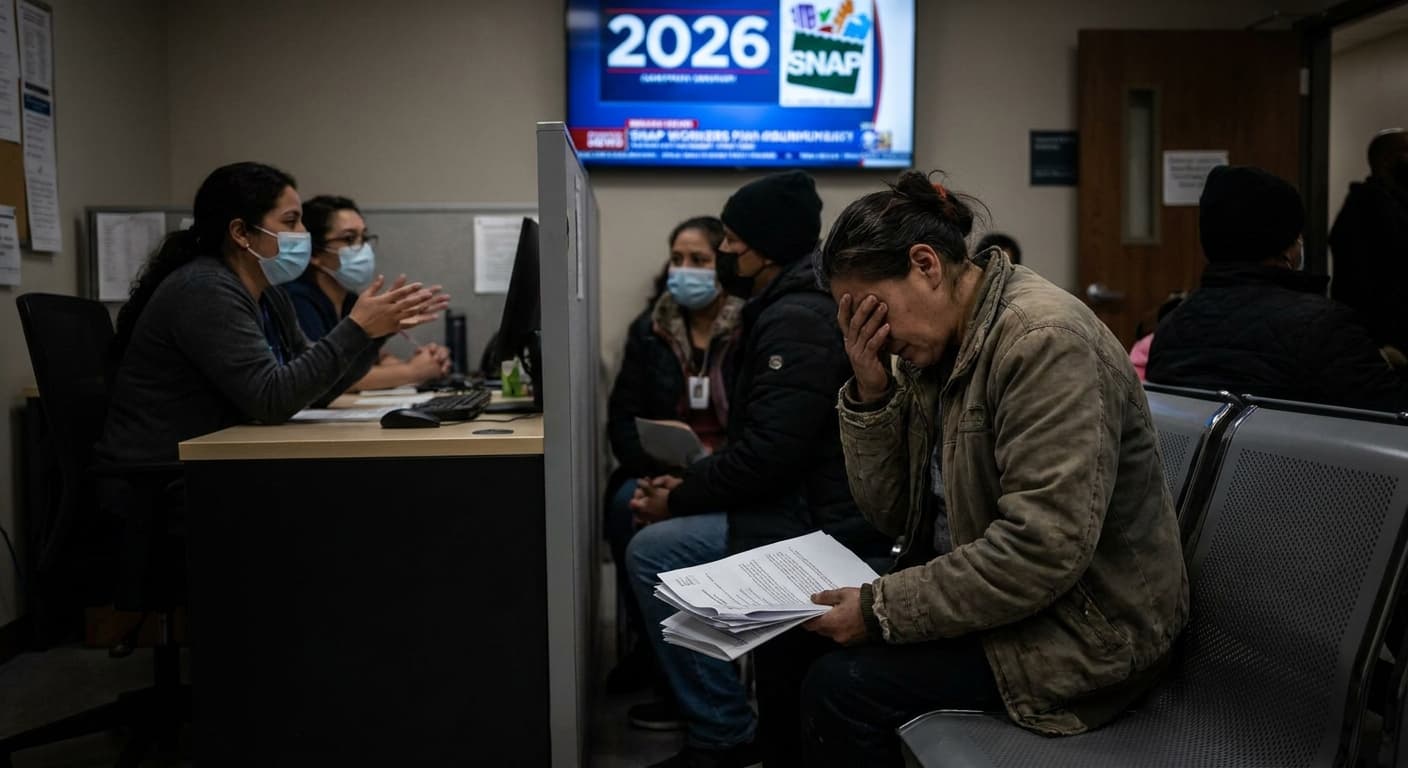
SNAP Food Assistance Faces Legal Challenges
In 2026, SNAP faces stricter eligibility rules and mounting legal challenges, threatening food assistance for the millions of Americans who rely on the program.

Economics
Fed's Amex AML order puts correspondent banking on notice
Federal Reserve's Amex AML order requires board-level controls and a 90-day plan; OCC fined the bank $350 million over enterprise-wide deficiencies.
Conflict & Security
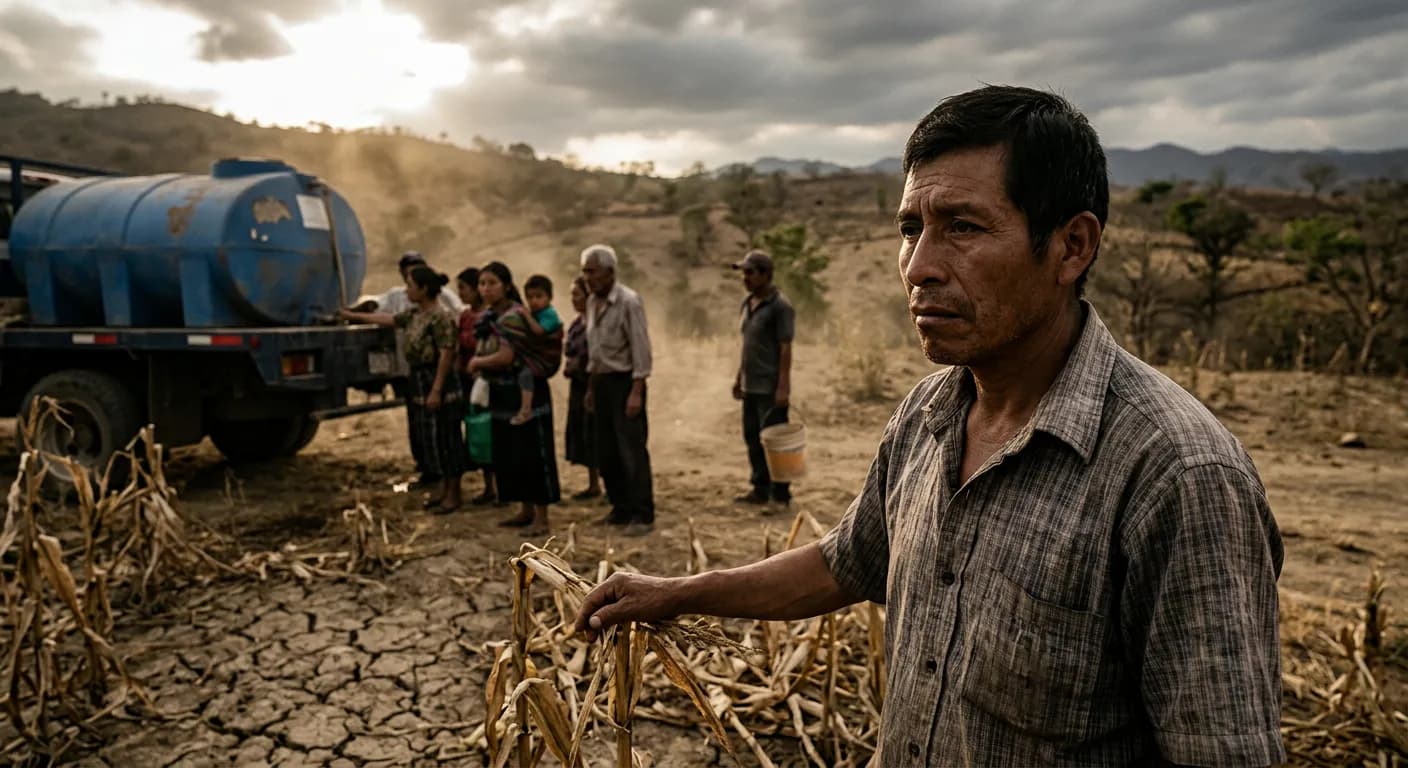
Guatemala: El Niño 2026–27 becomes regional security test
UNICEF: 25.8M children face El Niño risks in Latin America; Guatemala maps 188 municipalities for drought and food insecurity amid regional security test.

Economics
Fed's stress-test overhaul is a capital-smoothing exercise
Federal Reserve finalized stress-test overhaul: two-year averaging for bank capital buffers and public input, expected to halve volatility.