Raúl Castro Indictment Divides Miami Exiles
Cuban-American community divided on Castro indictment's implications
Model Diplomat3 min readNorth America
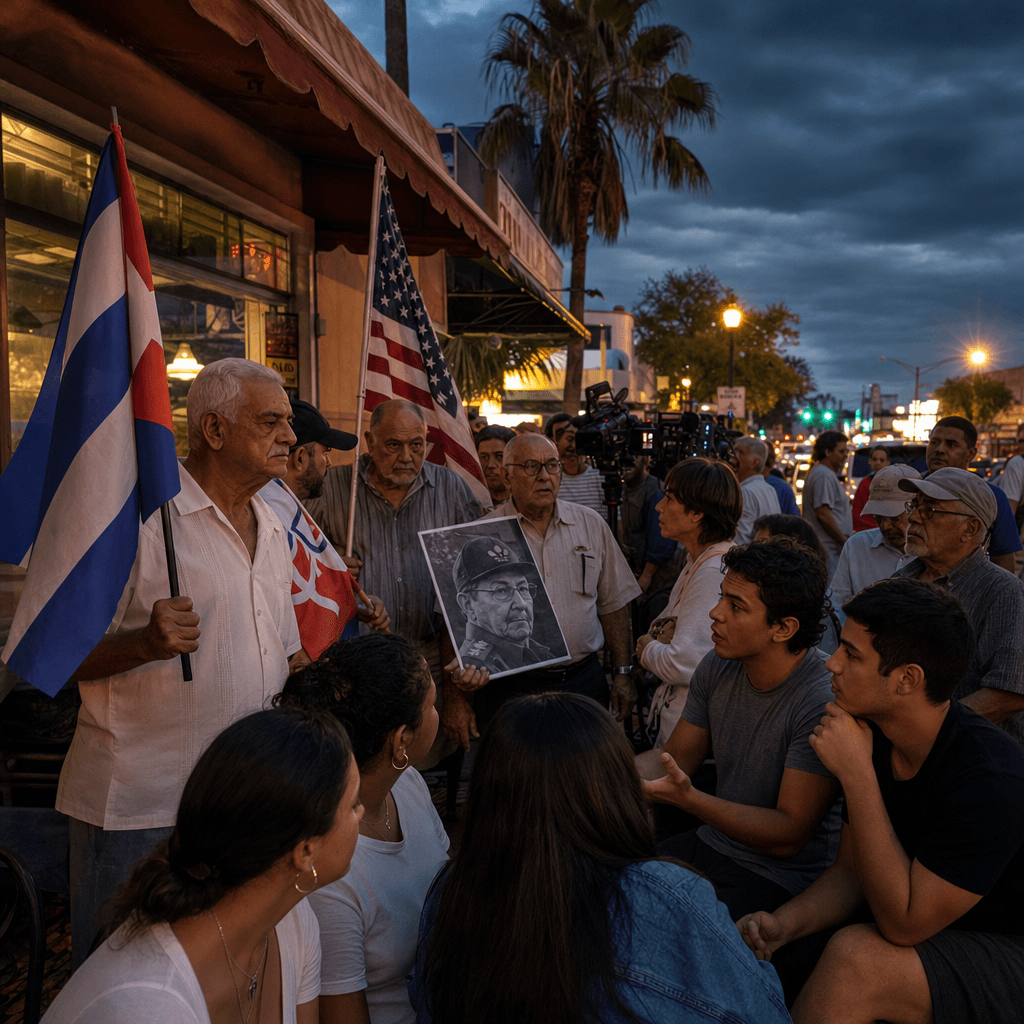
Raúl Castro Indictment Splits Miami Exiles Over Cuba
Miami’s Cuban-American community sees the case as long-delayed justice and a possible pressure tactic — with the larger risk being escalation, not extradition.
The Justice Department’s move against Raúl Castro is aimed less at a courtroom than at political leverage: the U.S. wants to keep pressure on Havana, satisfy hardline Cuban exiles in South Florida, and signal that the 1996 shootdown still has consequences, according to BBC and
The Washington Post. Cuban-Americans in Miami are responding with the same split that has defined U.S.-Cuba policy for decades: hope that this is finally accountability, and fear that it is a prelude to something harder.
Justice, or pressure campaign?
The indictment centers on the 1996 downing of two planes operated by Brothers to the Rescue, a Miami-based exile group, in which four people were killed, three of them U.S. citizens, The Washington Post reported. Raúl Castro, then Cuba’s defense minister, was charged over conspiracy to kill U.S. nationals and related counts, while acting Attorney General Todd Blanche said the U.S. expected Castro to “face justice,”
CBC News reported.
That matters because the target is 94 years old, still in Cuba, and almost certainly beyond Washington’s physical reach. So the real audience is not Castro. It is the exile electorate in Florida, where anti-Havana politics still carry weight, and where figures like Marco Rubio have long pressed for a harder line. CBC News described the move as part of a broader Trump push for regime change and psychological pressure on the island.
Miami sees a victory; Havana sees a threat
In Miami, the indictment lands as overdue recognition of a grievance that has never faded. The BBC found Cuban-Americans looking at the charge with “hope but also trepidation,” a useful summary of the political mood: families of the dead want accountability, but many exiles also know that Washington’s legal tools often double as coercive signaling. BBC reported that some in the community see parallels with the U.S. campaign against Venezuela’s Nicolás Maduro.
That analogy is the key. The Maduro precedent shows how criminal charges can be used not just to punish, but to create diplomatic and operational options. CNN argued the indictment could harden the Cuba standoff and raise the risk of military action rather than resolve it. Havana’s likely reading is even harsher: not law enforcement, but a step toward regime-change pressure.
What to watch next
The next decision point is whether Washington treats the indictment as a symbolic peak or as the opening move in a wider campaign. Watch for three signals: whether the administration follows with sanctions or operational threats; whether Havana responds by tightening internal security or cutting channels; and whether Miami Republicans turn this into a test of loyalty ahead of the next election cycle. If the White House keeps the pressure on, the real question is not whether Raúl Castro appears in a U.S. court. It is whether the case becomes a template for escalation.
Discover more
Economics
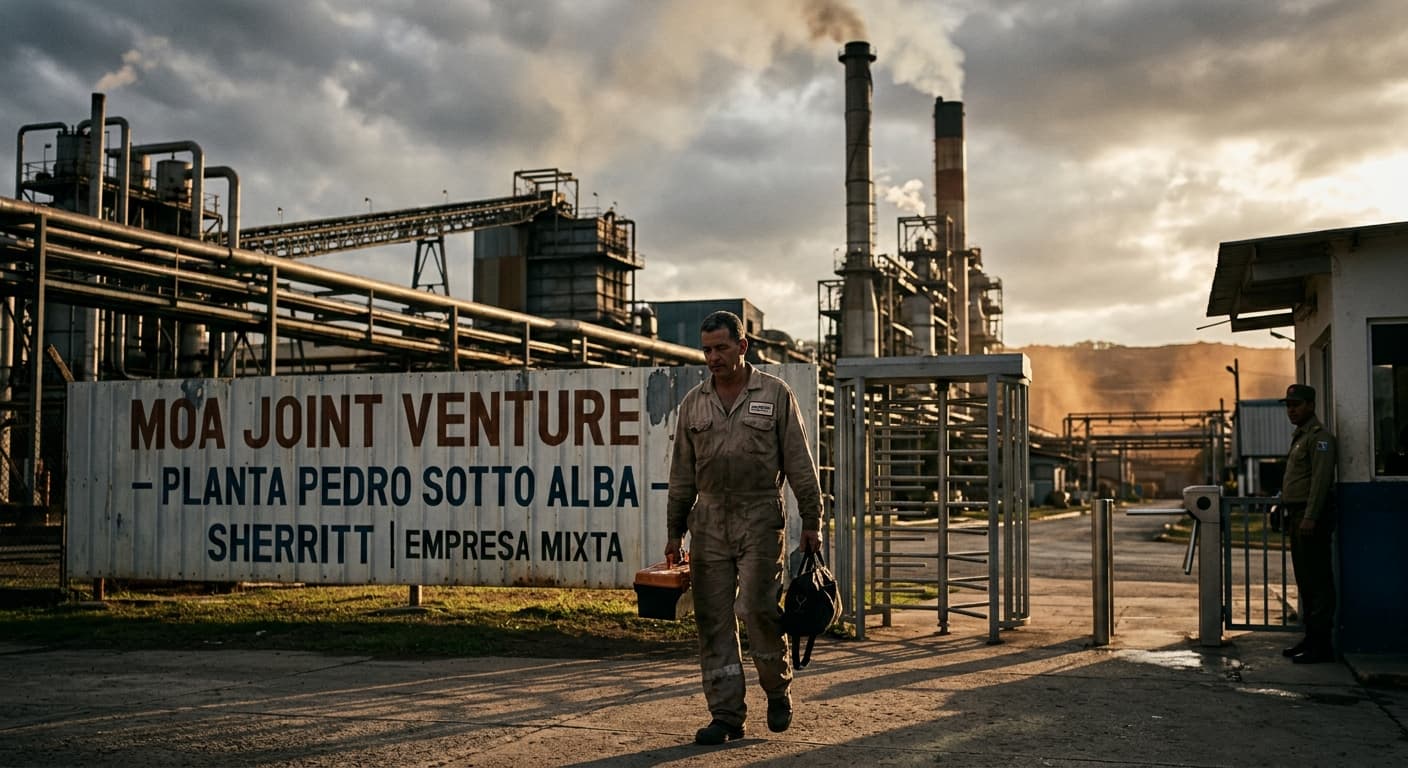
Sherritt Exits Cuba: OFAC Sanctions Impact
Sherritt International suspends its Cuban joint venture after US sanctions target GAESA executive, impacting cobalt prices and Cuba's economy.
Global Politics
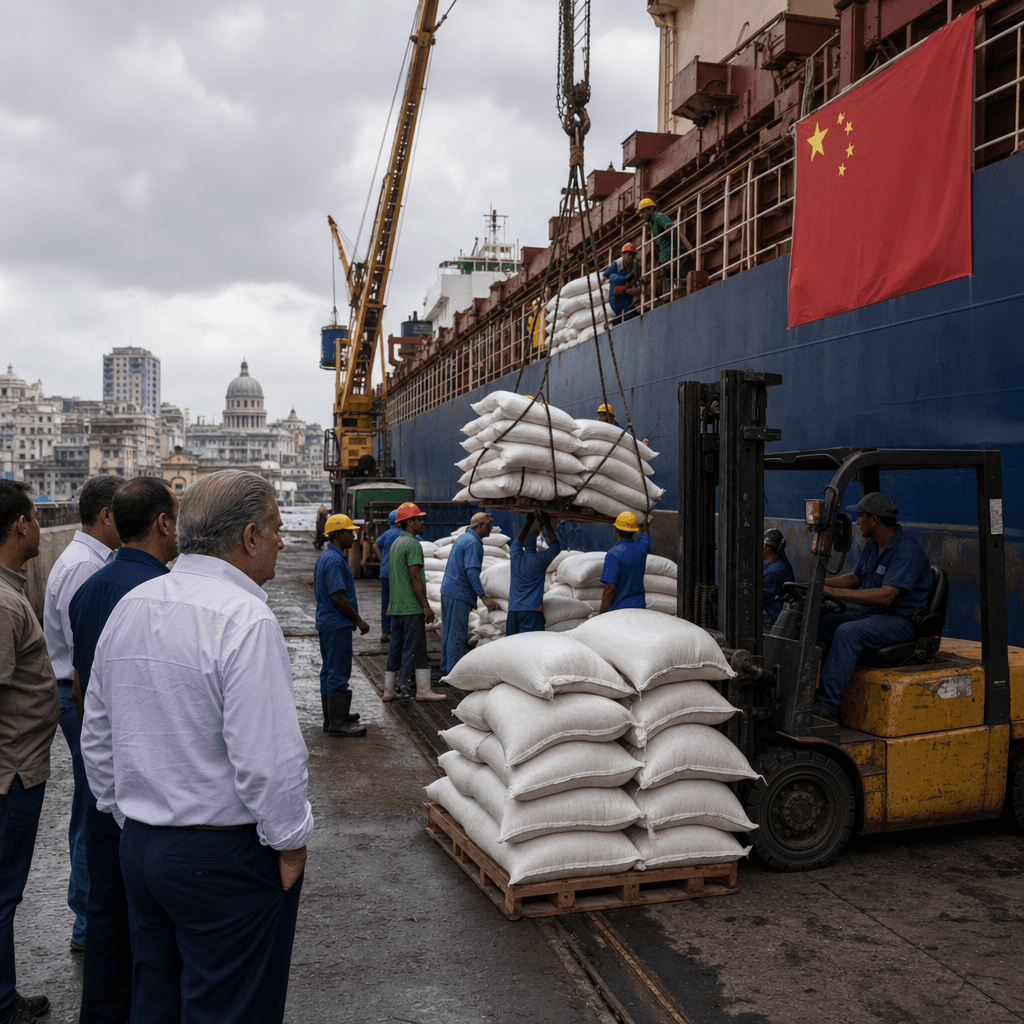
China's Rice Shipment Buys Cuba Time Against
China's rice donation to Cuba buys Havana time against tightening U.S. sanctions, underscoring Beijing's growing geopolitical leverage near America's shores.
Global Politics
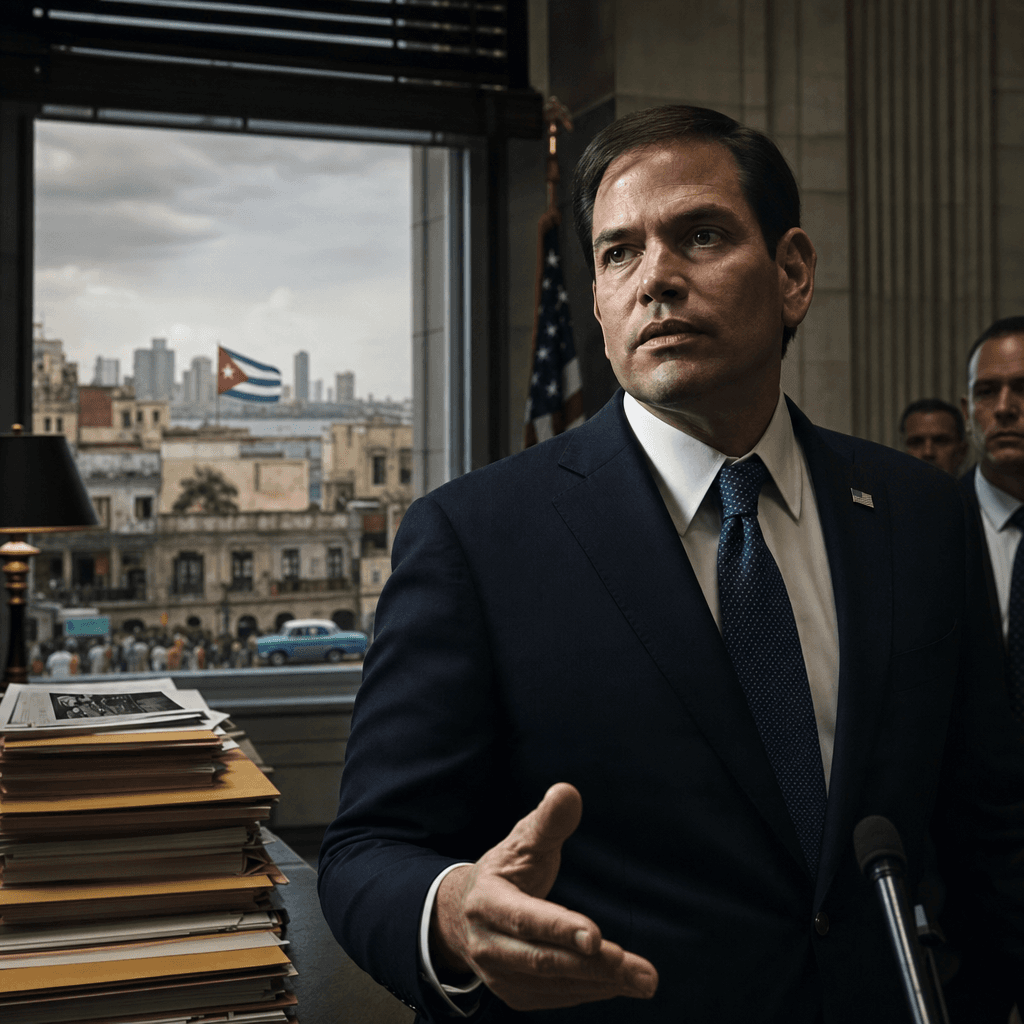
Rubio’s Cuba Squeeze
Marco Rubio's hardline Cuba strategy could define his political legacy as economic pressure and sanctions mount, deepening the squeeze on Havana's economy.
Conflict & Security
Cuba's Power Crisis Deepens Amid US Fuel Cuts
Mounting US fuel pressure and sanctions are pushing Cuba deeper into power collapse, with the energy crisis now threatening the island's political stability.