Putin, Lukashenko Nuclear Drills Tighten Grip
Moscow tightens grip on Belarus amid nuclear exercises.
Model Diplomat2 min readEurope
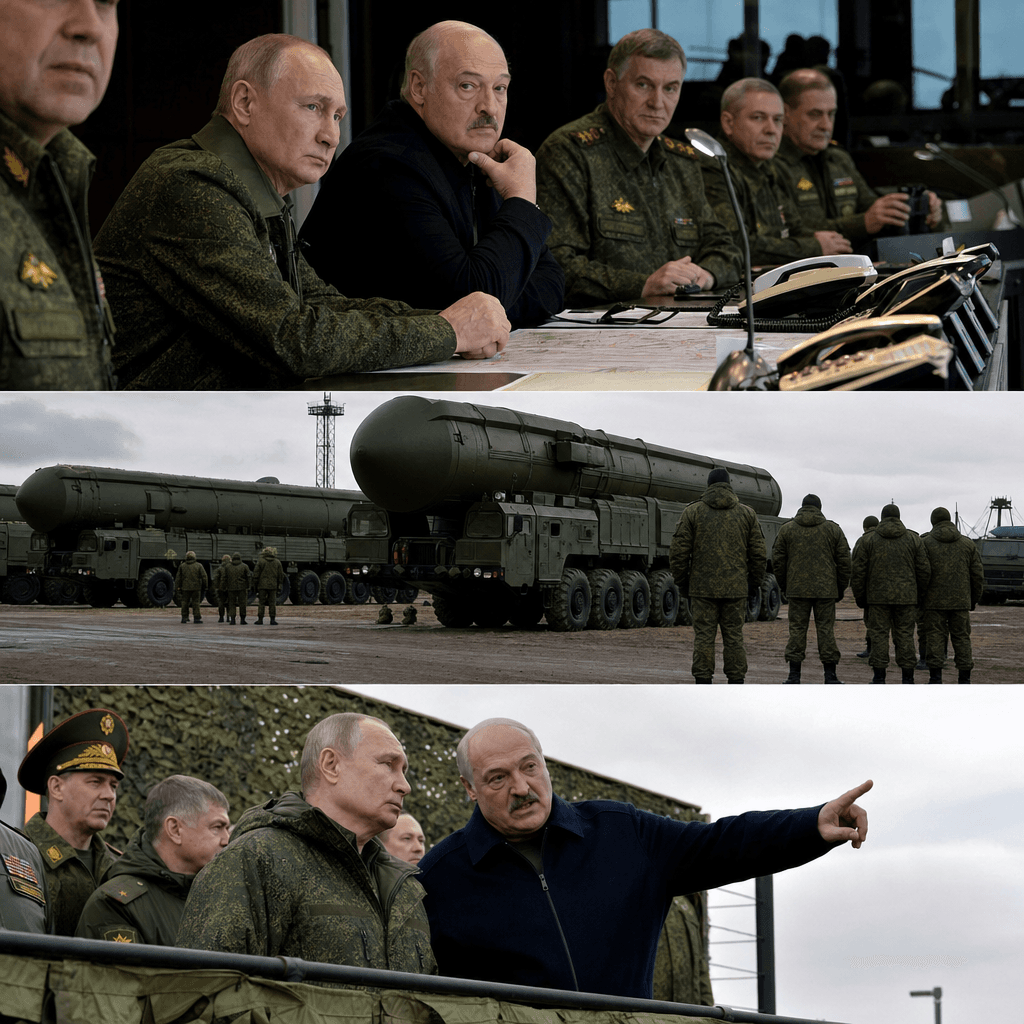
Putin, Lukashenko Use Nuclear Drills to Lock In Belarus
The first joint presidential review of nuclear exercises shows Moscow tightening control over Belarus while using the drills to warn Ukraine and NATO.
Vladimir Putin and Alexander Lukashenko jointly monitored Russia-Belarus nuclear forces drills by videolink on Thursday, the first time both presidents have personally taken part in such an exercise, Al Jazeera reported. Putin said nuclear use remains “an extreme and exceptional measure,” while Lukashenko insisted the drills were defensive and that the two states “threaten no one”
Al Jazeera. The message is not subtle: Moscow is using Belarus to project nuclear reach without sharing real control.
Moscow’s signal is bigger than the drill
The hardware matters, but the signaling matters more. Russia’s defense ministry said the drills included launches of a Yars intercontinental ballistic missile, a Zircon hypersonic missile, a Sineva submarine-launched missile, plus Tu-95MS bombers, a MiG-31 firing a Kinzhal, and an Iskander-M launch from Belarus Al Jazeera.
France 24 said the broader Russian nuclear exercise ran from May 19 to 21 and involved more than 65,000 troops and 7,800 pieces of equipment. That is a deliberate show of depth: air, sea, land, and Belarus-based assets all folded into one display. For
Global Politics, the important point is leverage. Putin is telling NATO planners to treat Belarus as part of Russia’s deterrent architecture, not as a separate state with independent military judgment.
Belarus is the amplifier, not the main actor
Belarus is the platform; Russia is the owner. DW noted that Lukashenko agreed in 2023 to host Russian tactical nuclear missiles, and that Russia’s updated 2024 nuclear doctrine placed Belarus under Moscow’s nuclear umbrella. That arrangement gives Putin forward basing close to NATO territory, while keeping command authority in Russian hands. Lukashenko gets regime protection and a larger deterrent shield; in return, he accepts deeper military dependence. That is why Kyiv is treating the drills as more than theater.
Politico reported the exercise came after Ukraine’s biggest drone attack on Moscow, and quoted Kyiv accusing Russia of turning Belarus into a “nuclear staging ground near NATO borders.” The strategic gain is asymmetric: Russia gets escalation leverage, Belarus gets exposed.
What to watch next
The next decision point is whether Moscow follows the drill with another visible deployment or command update tied to Belarus. Ukraine’s Security Service said it had stepped up checks in the north, which suggests Kyiv sees the Belarus frontier as an active operational risk, not a propaganda line Al Jazeera. Watch for any new Russian basing moves in Belarus, any NATO reinforcement along the eastern flank, and whether Minsk announces further readiness steps. The broader test is simple: whether Belarus is still a host country with Russian weapons on its soil, or has become a permanent extension of Russia’s nuclear posture
France 24.
Discover more
Global Politics
Lithuania Drone Alert Highlights Belarus Role
A drone incursion from Belarus into Lithuania underscores how Minsk still shapes the war, raising fresh NATO airspace concerns tied to Russia and Ukraine.
Conflict & Security
Belarus: Russia's Strategic Threat to Kyiv
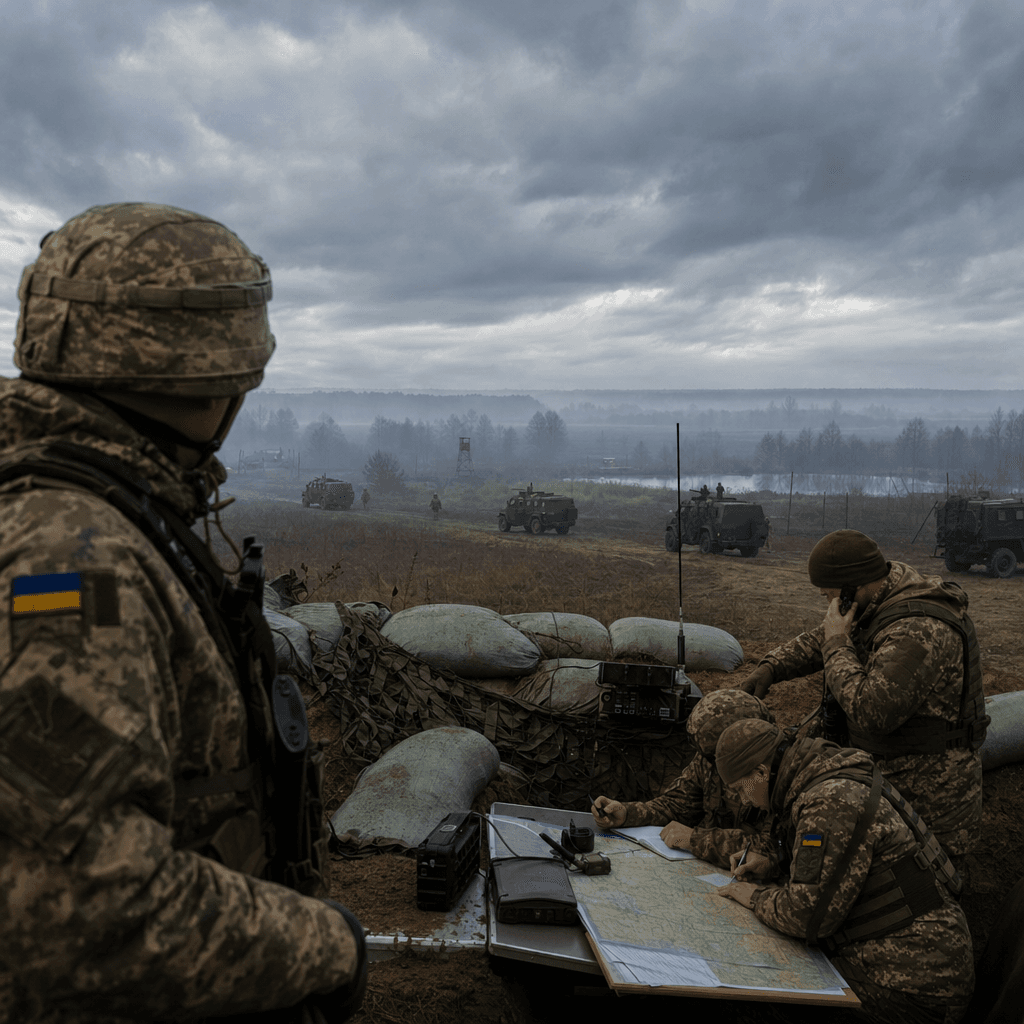
Belarus is becoming Russia's cheapest pressure point on Kyiv, as Zelenskyy signals Ukraine's readiness to counter threats massing along its northern border.

Conflict & Security
Drone Warfare Killing Aid Workers at Unprec
Over 1,000 humanitarian workers killed in three years as cheap armed drones collapse legal protections. Gaza, Sudan, Ukraine, and DRC see deliberate targeting of aid convoys and hospitals with zero prosecutions.

Global
World Normalises Taliban as Afghan Women Eras
UN data shows Afghan women erased from public life as Russia recognises the Taliban, EU hosts officials in Brussels, and ICC warrants for gender persecution go unenforced.