Netanyahu’s Coalition Breaks on Draft Fight
Ultra-Orthodox draft exemptions spark political turmoil in Israel.
Model Diplomat3 min readMiddle East
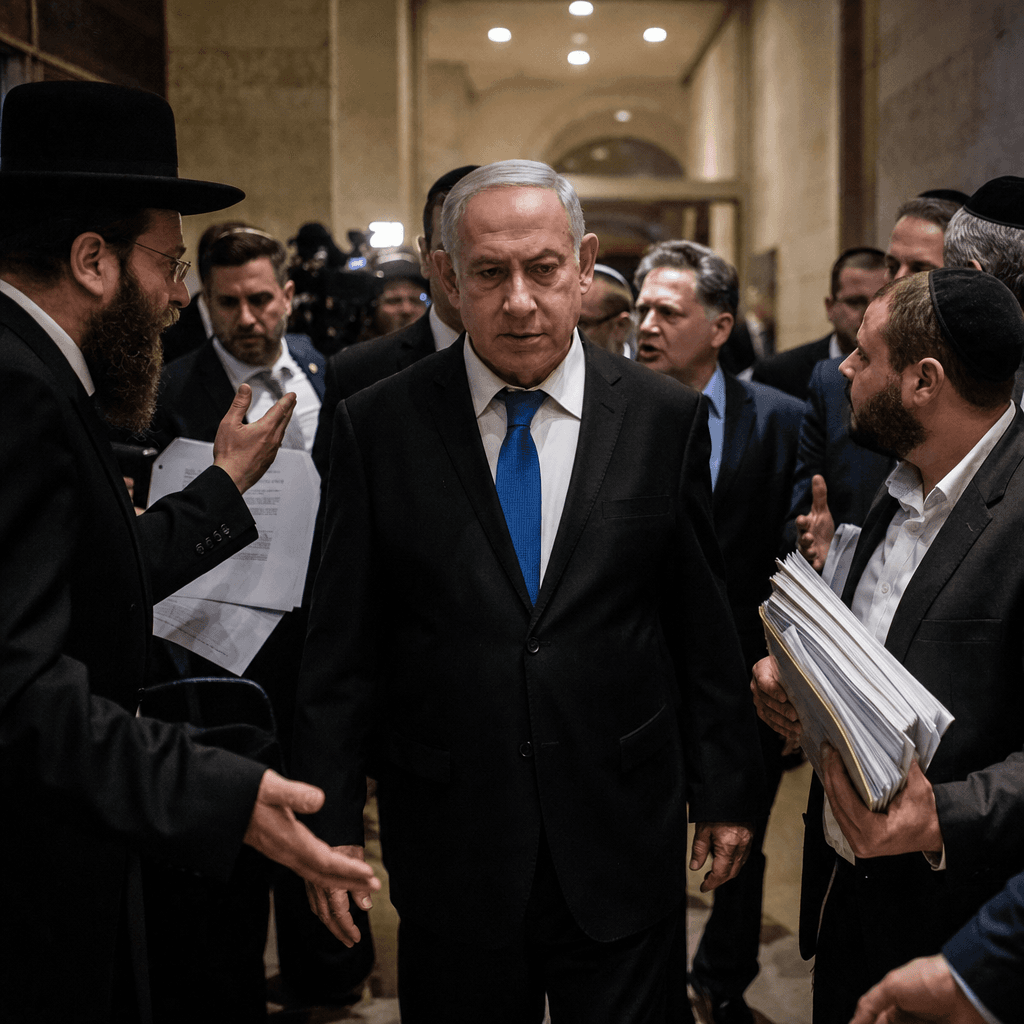
Netanyahu’s Coalition Breaks on Draft Fight — What Matters Now
Ultra-Orthodox draft exemptions have become the veto point in Israeli politics, giving coalition defectors the leverage to force early elections.
Israeli politics is now being driven by who can deny Benjamin Netanyahu a majority, not by anything he wants to pass. The immediate trigger is the draft fight: lawmakers advanced a bill to dissolve parliament, and the split is coming from within the governing camp, not just from the opposition, according to The Guardian and
Al Jazeera. On Wednesday, 110 of 120 Knesset members backed the preliminary dissolution vote, a sign that Netanyahu’s coalition can still move only if its own members decide to spare him.
The veto point is the ultra-Orthodox vote
The collapse centers on one issue: military service for ultra-Orthodox men. Shas and United Torah Judaism have been pressing Netanyahu to deliver legislation exempting yeshiva students from the draft, and Haaretz reported that Degel Hatorah was prepared to back dissolution even after Netanyahu promised to advance a draft-exemption law before elections (Haaretz).
That makes the coalition’s weakest link also its most valuable asset. Netanyahu needs ultra-Orthodox parties to keep the government alive; they need him to protect a long-standing exemption that most Israelis no longer accept. Al Jazeera reported that roughly 24,000 draft notices have been issued to Haredi men, but only 1,200 have responded so far — a gap that explains why the military and the political mainstream are both tightening pressure (Al Jazeera).
Why this threatens Netanyahu now
This is not a routine coalition dispute. It is a direct challenge to Netanyahu’s survival because the draft issue sits at the intersection of war, manpower and legitimacy. Israel’s military has been fighting on multiple fronts, and the army says the burden on reservists is becoming unsustainable. That gives the conscription debate immediate national-security weight, not just religious sensitivity (Al Jazeera).
It also exposes Netanyahu to a public that is broadly hostile to the exemption. Al Jazeera noted that around four-fifths of Israelis support conscripting Haredi men or sanctioning those who refuse. That matters because the opposition does not need to win a policy argument to hurt Netanyahu; it only needs to keep the draft fight alive long enough to split his bloc. On Global Politics, this is the familiar pattern of a coalition where one identity-based concession becomes the price of governing.
Netanyahu’s broader weakness is that every faction now has an exit option. The ultra-Orthodox can bring down the government to preserve their base. Likud rebels can distance themselves from a draft deal they view as politically toxic. The opposition can force a snap election narrative and make this a referendum on Netanyahu’s record in office, his war management, and his corruption trial.
What to watch next
The next decision point is procedural, not rhetorical: whether the dissolution bill survives committee and final Knesset readings. If it does, Israel heads to an election within 90 days, potentially before the current legislative session ends on October 27, as Al Jazeera reported. Watch whether Shas and UTJ keep their pressure on, whether Netanyahu offers a real draft law or another delay, and whether the coalition chairman’s claim that “this coalition has completed its days” proves to be a forecast or a bargaining tactic. For now, the leverage sits with the defectors.
Discover more
India
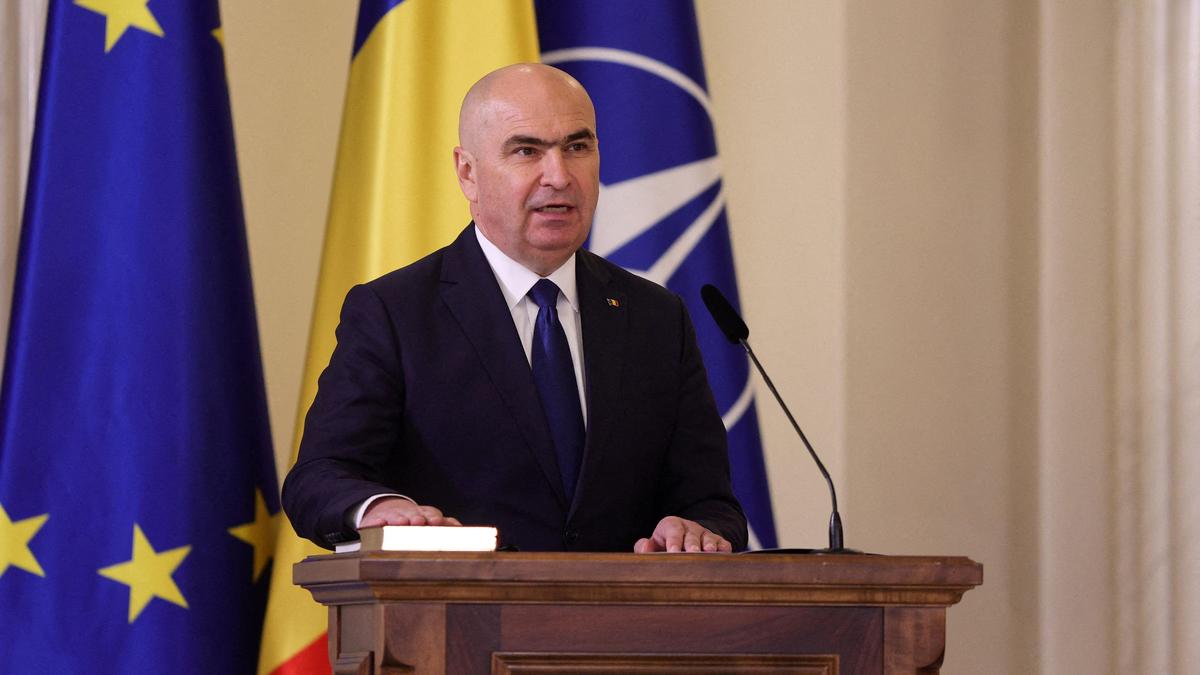
Romanian Coalition Party Demands PM Resign
Romania's Social Democrats withdrew from coalition, joining far-right AUR to topple PM Bolojan, risking €10 billion in EU funds by August 2026.

Economics
Fed's Amex AML order puts correspondent banking on notice
Federal Reserve's Amex AML order requires board-level controls and a 90-day plan; OCC fined the bank $350 million over enterprise-wide deficiencies.
Conflict & Security
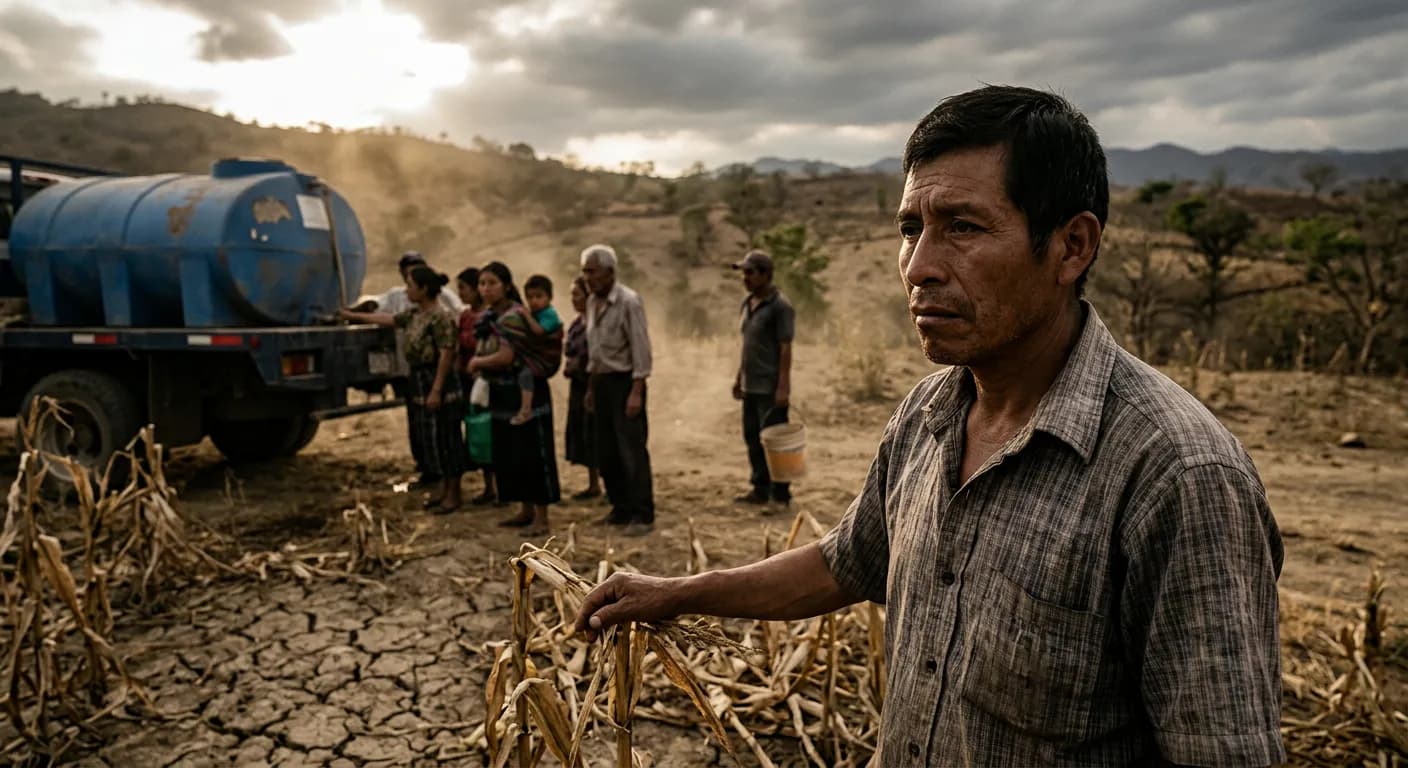
Guatemala: El Niño 2026–27 becomes regional security test
UNICEF: 25.8M children face El Niño risks in Latin America; Guatemala maps 188 municipalities for drought and food insecurity amid regional security test.

Economics
Fed's stress-test overhaul is a capital-smoothing exercise
Federal Reserve finalized stress-test overhaul: two-year averaging for bank capital buffers and public input, expected to halve volatility.