Lithuania Drone Alert Highlights Belarus Role
Drone incident highlights Belarus's influence on NATO airspace.
Model Diplomat3 min readEurope
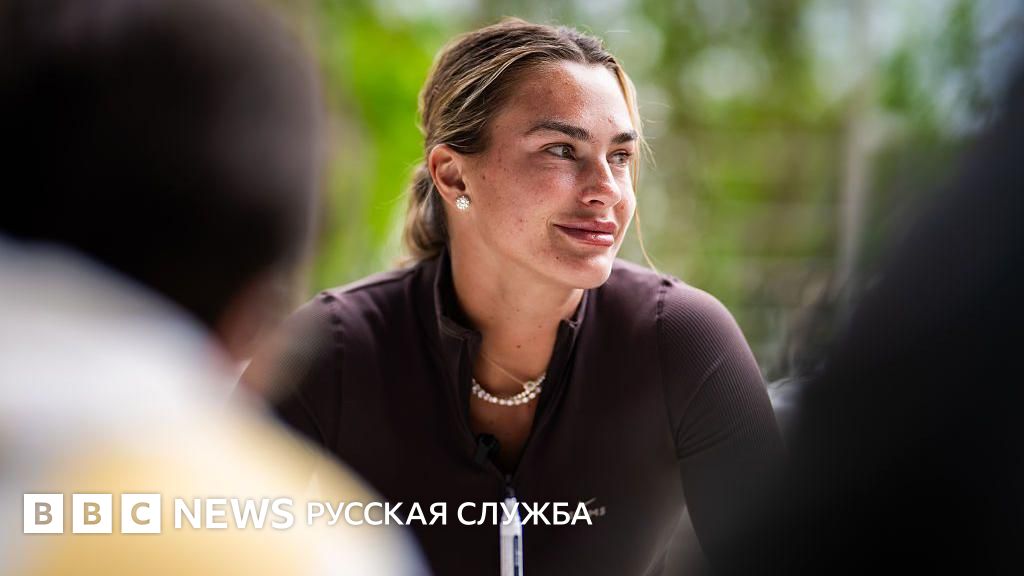
Lithuania Drone Alert Shows Belarus Still Shapes the War
[A drone crossing from the Belarus side into Lithuania exposed how the Ukraine war keeps spilling into NATO airspace, while Sabalenka’s anti-war remarks show Belarus’s image battle is far from settled.]
The leverage runs through Belarusian airspace
Belarus is the hinge in this episode. On Wednesday, Lithuanian authorities briefly sent Vilnius into shelter mode after a drone was detected near the Belarus border; the airport paused operations, the capital’s leaders took cover, and NATO air-policing was activated, according to the BBC’s English report and its Russian-language roundup (BBC News;
BBC News Русская служба). Lithuania said Belarusian forces had warned them of a drone moving toward their airspace, but the origin of the drone was not immediately confirmed (
BBC News).
That uncertainty is the point. Whether the drone was Ukrainian, Russian-jammed, or something else entirely, Minsk sits on the route to the Baltic states and can choose whether to warn, intercept, or let incidents become political friction. For Belarus, that ambiguity preserves a useful role: it can present itself as a reluctant bystander while still keeping pressure on Lithuania, Latvia, and Estonia — all of which have already been rattled by repeated drone incidents this month (BBC News;
POLITICO).
The Baltics are paying the immediate price
The strategic cost lands on Lithuania, not Belarus. BBC and France24 both reported that the alert shut down rail and road movement briefly, suspended flights at Vilnius airport, and sent the president, prime minister, and lawmakers into shelters (BBC News;
France 24). That matters because it turns air-defense from a military problem into a governance problem: every alert is now a test of whether the state can protect civilians without normalizing panic.
The wider Baltic pattern is worse. Estonia, Latvia, and Lithuania are now seeing drone incidents in quick succession, and their governments are being pulled into emergency mode while NATO scrambles jets and public messaging tries to prevent escalation (BBC News;
DW). The beneficiaries are the hardliners on all sides. Moscow gets proof-of-concept that the war can unsettle NATO territory without crossing it directly. Minsk gets to accuse Lithuania of hypocrisy. And the Baltics get a stronger case for deeper air-defense integration with NATO — a theme that also fits the wider
Global Politics brief.
Sabalenka’s statement is softer than the drone, but still useful
Aryna Sabalenka’s comments to Vogue that she does not support the war in Ukraine are not a policy shift, but they do matter in the reputational contest around Belarus (BBC News Русская служба). As the world No. 1, she is one of the few Belarusian figures with global reach outside the regime. Her refusal to endorse the war gives Minsk no propaganda advantage, but it also underlines a deeper problem for Alexander Lukashenko: Belarus cannot control its own international image the way it controls its borders.
That makes Sabalenka politically interesting and operationally limited. She is not speaking for the state, and the Kremlin still owns the war narrative. But every public rejection of the war by a high-profile Belarusian chips away at the regime’s attempt to present the country as merely obedient, not complicit.
What to watch next: whether Lithuania and its NATO partners move from temporary air-policing to a standing regional air-defense upgrade, and whether Minsk issues more detailed claims about the drone’s path. The next real pressure point is the follow-up response from NATO capitals, not the drone itself.
Discover more
Global Politics
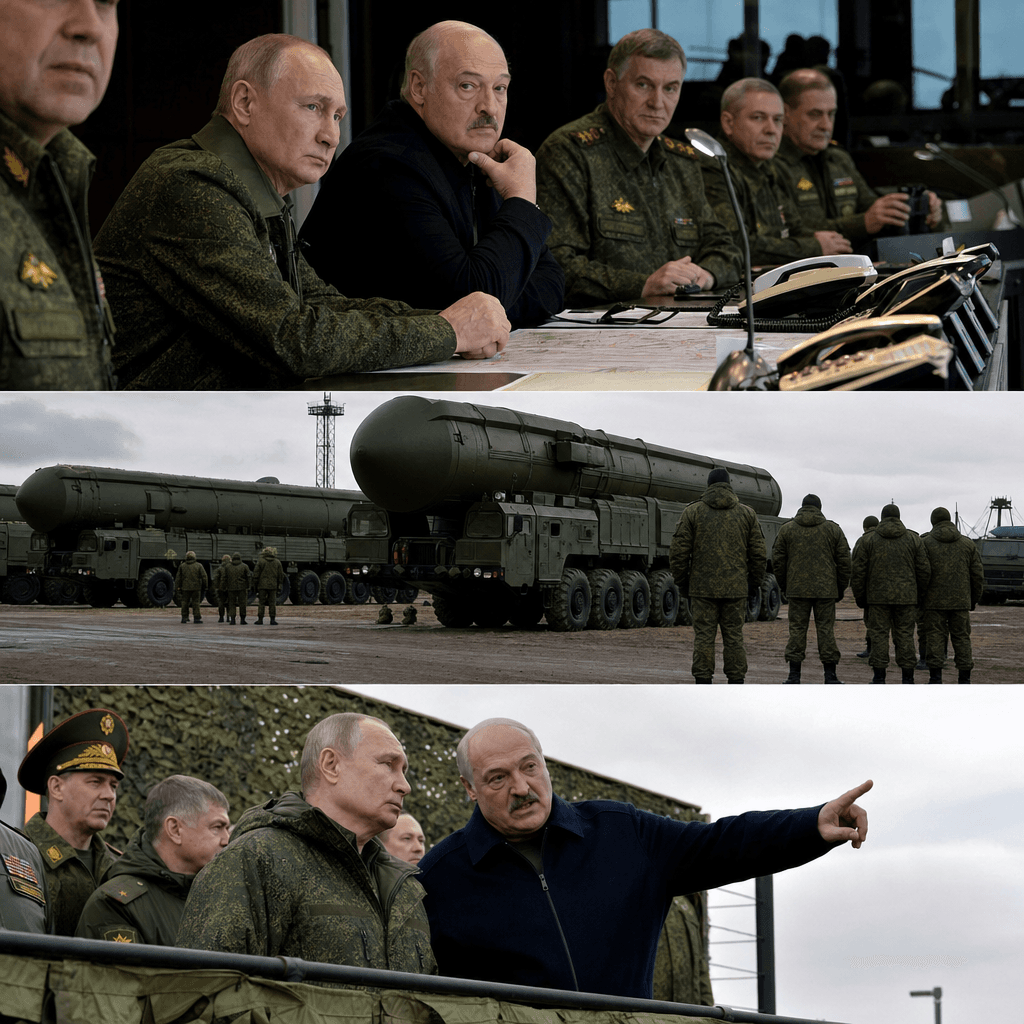
Putin, Lukashenko Nuclear Drills Tighten Grip
Joint nuclear drills by Putin and Lukashenko signal Russia's tightening control over Belarus, raising NATO alarm along the alliance's eastern frontier today.
Conflict & Security
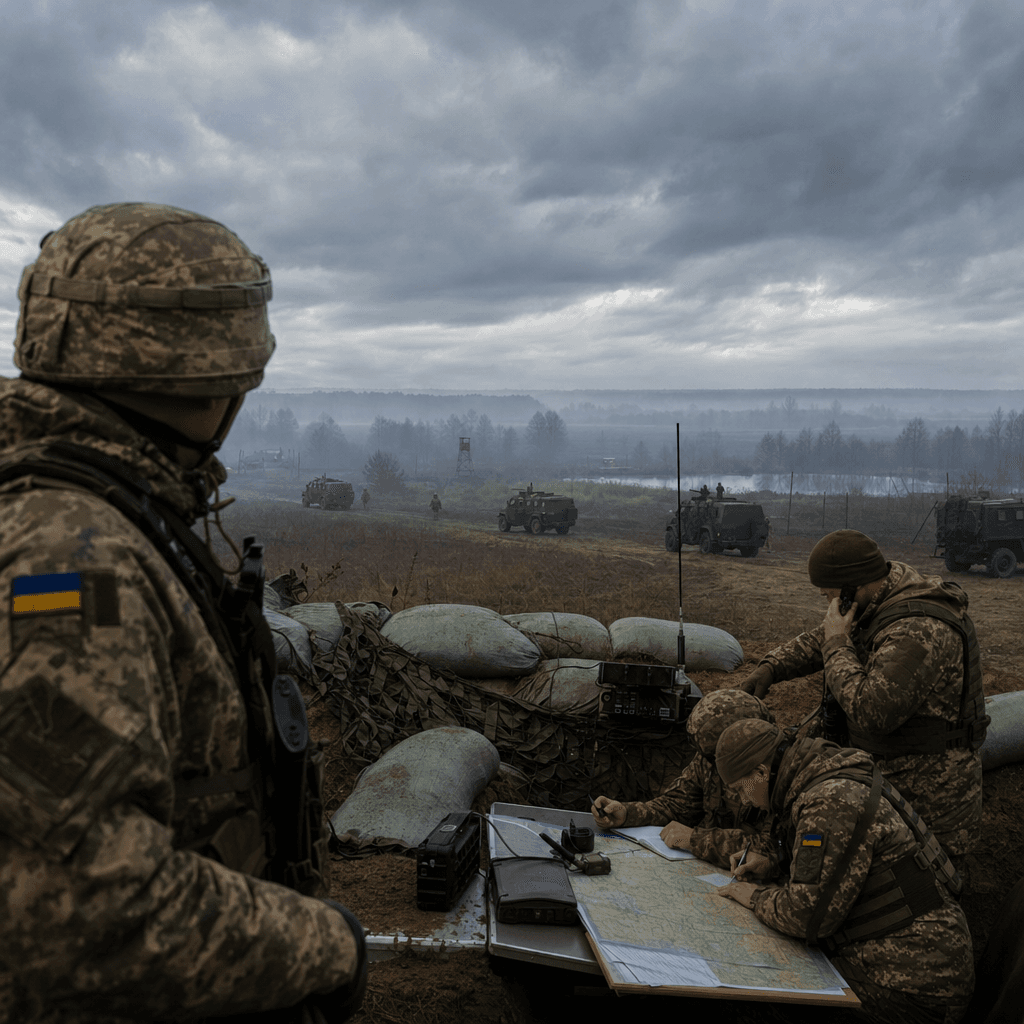
Belarus: Russia's Strategic Threat to Kyiv
Belarus is becoming Russia's cheapest pressure point on Kyiv, as Zelenskyy signals Ukraine's readiness to counter threats massing along its northern border.

Conflict & Security
Drone Warfare Killing Aid Workers at Unprec
Over 1,000 humanitarian workers killed in three years as cheap armed drones collapse legal protections. Gaza, Sudan, Ukraine, and DRC see deliberate targeting of aid convoys and hospitals with zero prosecutions.

Global
World Normalises Taliban as Afghan Women Eras
UN data shows Afghan women erased from public life as Russia recognises the Taliban, EU hosts officials in Brussels, and ICC warrants for gender persecution go unenforced.