Ramaphosa’s Legal Fight Deepens South Africa’s Impeachment Risk
The president wants the report thrown out, but parliament’s new coalition arithmetic now gives the opposition more leverage than it had in 2022.
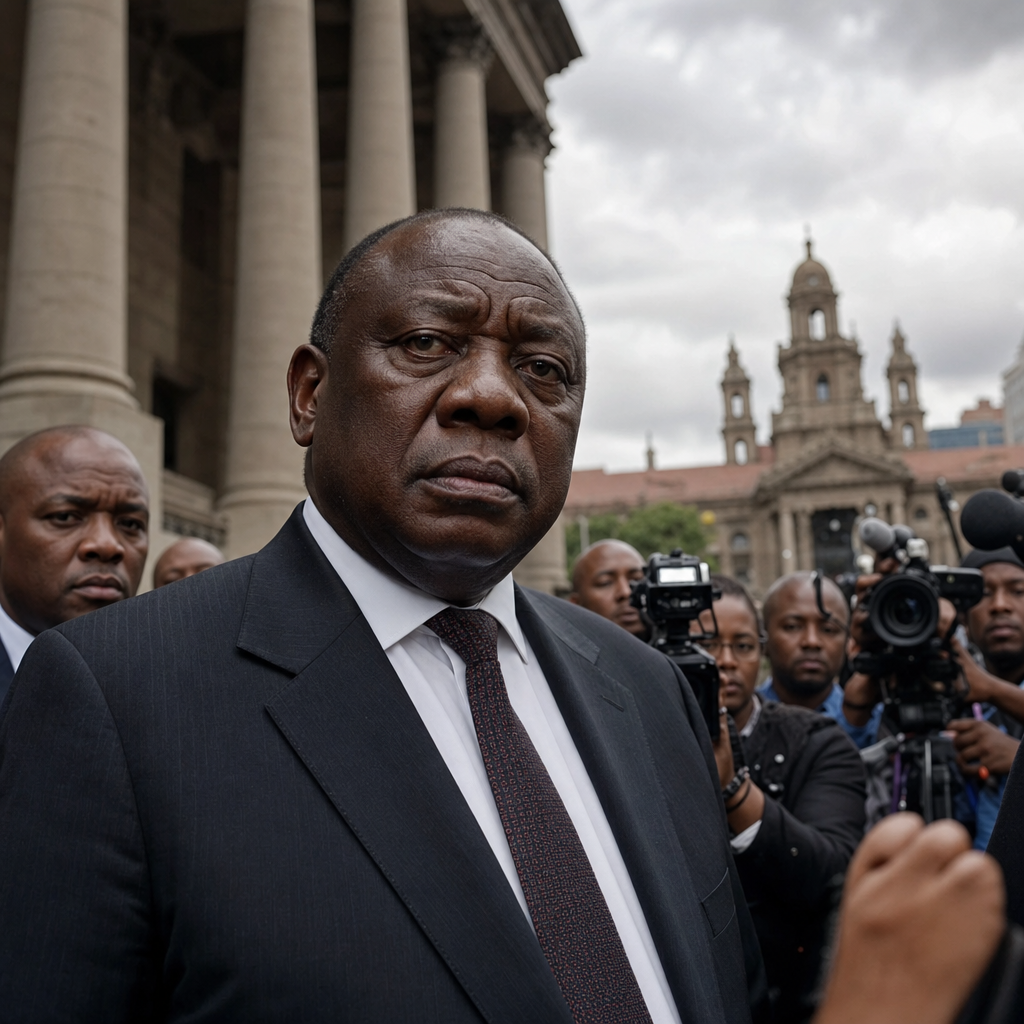
Cyril Ramaphosa has opened a High Court challenge to force aside the parliamentary report that reopened the door to impeachment over the Phala Phala cash scandal, arguing the panel “misconceived its mandate” and misread the evidence,  BBC reported. The move is not just defensive lawyering. It is an attempt to stop the report from becoming the procedural bridge to a full impeachment inquiry.
The case is about procedure first, scandal second
The underlying allegation is familiar: in 2020, thieves stole about $580,000 in cash hidden in a sofa at Ramaphosa’s private farm, and an independent panel later said there was a case to answer on possible serious misconduct and constitutional violations, BBC. Ramaphosa says the money came from a legitimate buffalo sale and denies wrongdoing.
What changed this month is the legal route. South Africa’s Constitutional Court ruled that parliament had acted unconstitutionally when, in 2022, it voted down an impeachment inquiry instead of letting the process run, BBC. That ruling did not remove Ramaphosa. It did something more dangerous for him: it revived the process and forced parliament to consider the report again,  Bloomberg.
That is why Ramaphosa is going to court now. If he can get the report set aside, he can cut the impeachment chain before it reaches a committee room.
Coalition politics has made the threat more credible
The bigger shift is political, not judicial. In 2022, Ramaphosa’s ANC still had a parliamentary majority and could smother the scandal internally. After the 2024 election, the ANC lost that majority and now governs in coalition, BBC. That matters because the old discipline is gone.
Parliament’s speaker has already formed a 31-member impeachment committee drawn from 16 parties, including nine ANC lawmakers, BBC. The opposition Economic Freedom Fighters and African Transformation Movement, which pushed the court case, have gained what they wanted most: a process that forces Ramaphosa’s allies to defend him in public, not just shield him in a closed party vote,  News24.
The numbers still favor Ramaphosa surviving a final vote. Removal requires a two-thirds majority in the National Assembly, and analysts cited by News24 say the ANC alone can probably block that if it holds together. But the damage point is earlier: the hearing itself. A live impeachment process keeps the scandal on the front page, pressures coalition partners, and weakens Ramaphosa’s authority even if he wins.
For readers tracking the wider fallout, this is a clean example of how  Global Politics works when judicial rulings and coalition arithmetic collide: the law creates the opening, but parliament decides whether it becomes a crisis.
What to watch next
The immediate decision point is the Cape Town High Court filing. If Ramaphosa gets no injunction or review relief, the impeachment committee can keep moving through evidence, witnesses and a formal recommendation, BBC. The next political test is whether the ANC’s coalition partners treat this as a reputational problem to manage or an accountability case to press.
If the committee advances the matter, the real date to watch is the full National Assembly vote. That is where South Africa’s International attention will sharpen: not on whether the report was embarrassing, but on whether Ramaphosa’s coalition can still act like a governing majority when his personal standing is on the line.