Armenia’s US Deal Gives Pashinyan Leverage Before Vote
Washington is giving Pashinyan a campaign asset and buying a seat in the South Caucasus corridor fight, while Moscow faces another loss of leverage.
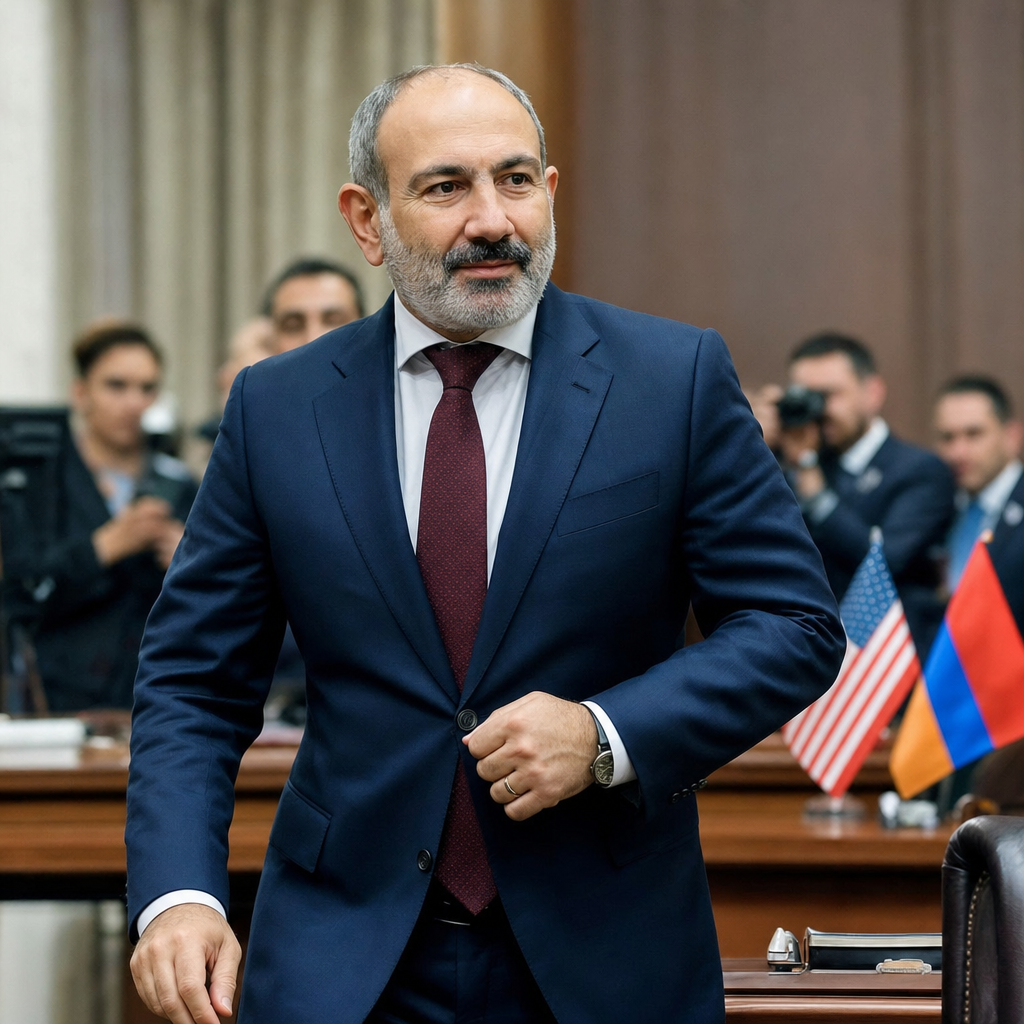
Armenia signed a strategic partnership agreement with the United States in Yerevan on Tuesday, alongside a critical-minerals framework and a document on the proposed TRIPP transit corridor, just days before its June 7 parliamentary election, according to  Reuters and
  Al Jazeera. The timing is the point: Prime Minister Nikol Pashinyan gets to tell voters he can still attract high-level Western backing, while Russia is forced to watch a longtime partner move further out of its orbit.
The leverage play
This is not just a diplomatic photo-op. Pashinyan is using the deal to reinforce his central campaign argument: that Armenia’s future security and growth depend on diversifying away from Moscow, not doubling down on it. Reuters reported that the contest pits Pashinyan’s Civil Contract party against opposition forces many of them pro-Russian. That makes the US announcement politically useful in the short term, because it turns foreign policy into evidence of competence.
The US is playing a different game. Secretary of State Marco Rubio framed the agreement as an economic and connectivity project, saying it would help “bind nations” through prosperity, according to Al Jazeera. That language matters: Washington is not offering an explicit security umbrella. It is buying influence through infrastructure, trade routes and minerals — the kind of presence that is cheaper than bases and easier to scale.
For  Global Politics, this is a familiar pattern. The US often enters contested regions through economic architecture first, then turns that into diplomatic leverage.
Why the corridor matters
The bigger prize is the corridor itself. Al Jazeera said the 43-km route, dubbed the Trump Route for International Peace and Prosperity, would run through southern Armenia and give Azerbaijan a direct land link to Nakhchivan and then Turkey. That would improve east-west connectivity, but it also cements a post-war settlement that strengthens Baku’s hand and leaves Yerevan managing the political costs.
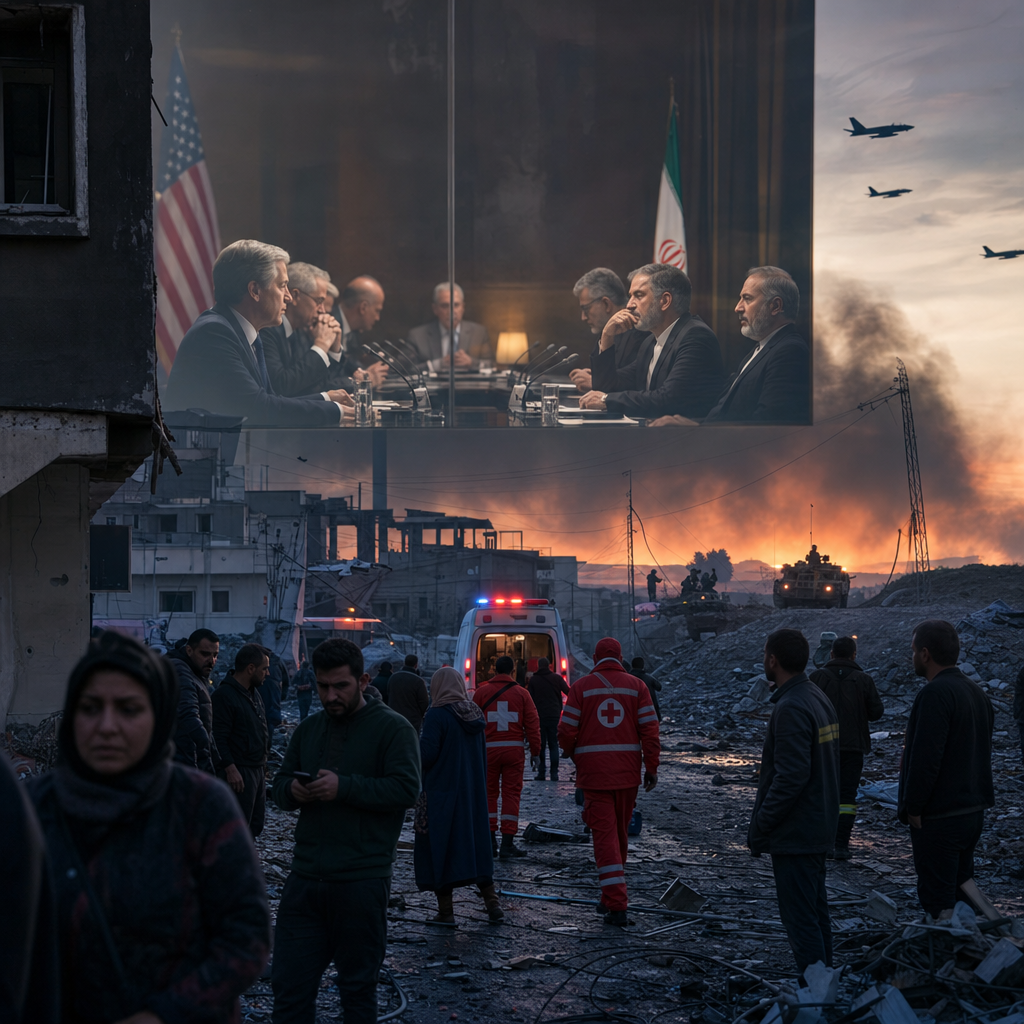
That is why Russia is pushing back. Al Jazeera reported Moscow warned it could raise gas prices if Armenia keeps deepening Western ties.  BBC had already reported in May that Armenia remains heavily dependent on Russian energy and that Moscow still retains major structural leverage, even as Yerevan courts the EU and the US. In other words: Washington can offer headlines and a corridor; Moscow can still squeeze the economy.
Who wins here? Pashinyan wins a campaign argument. The US wins a stronger foothold in a corridor that bypasses Russia and Iran. Azerbaijan gains another route to Nakhchivan and Turkey. Armenia risks a sharper domestic backlash if voters decide the Western turn is yielding symbolism faster than protection.
What to watch next
The first test is the June 7 election result and whether Pashinyan can turn this foreign-policy win into a parliamentary mandate. The second is whether the corridor agreement moves from framework to implementation, with land, security and financing still unresolved. The third is Moscow’s response: gas pricing, trade pressure or information warfare are the fastest tools left to it, and BBC has already shown how actively Russia is trying to shape Armenia’s political environment ahead of the vote.