EU Summons Russia Over Kyiv Threats
Europe's firm stance against Moscow's intimidation tactics
Model Diplomat2 min readEurope
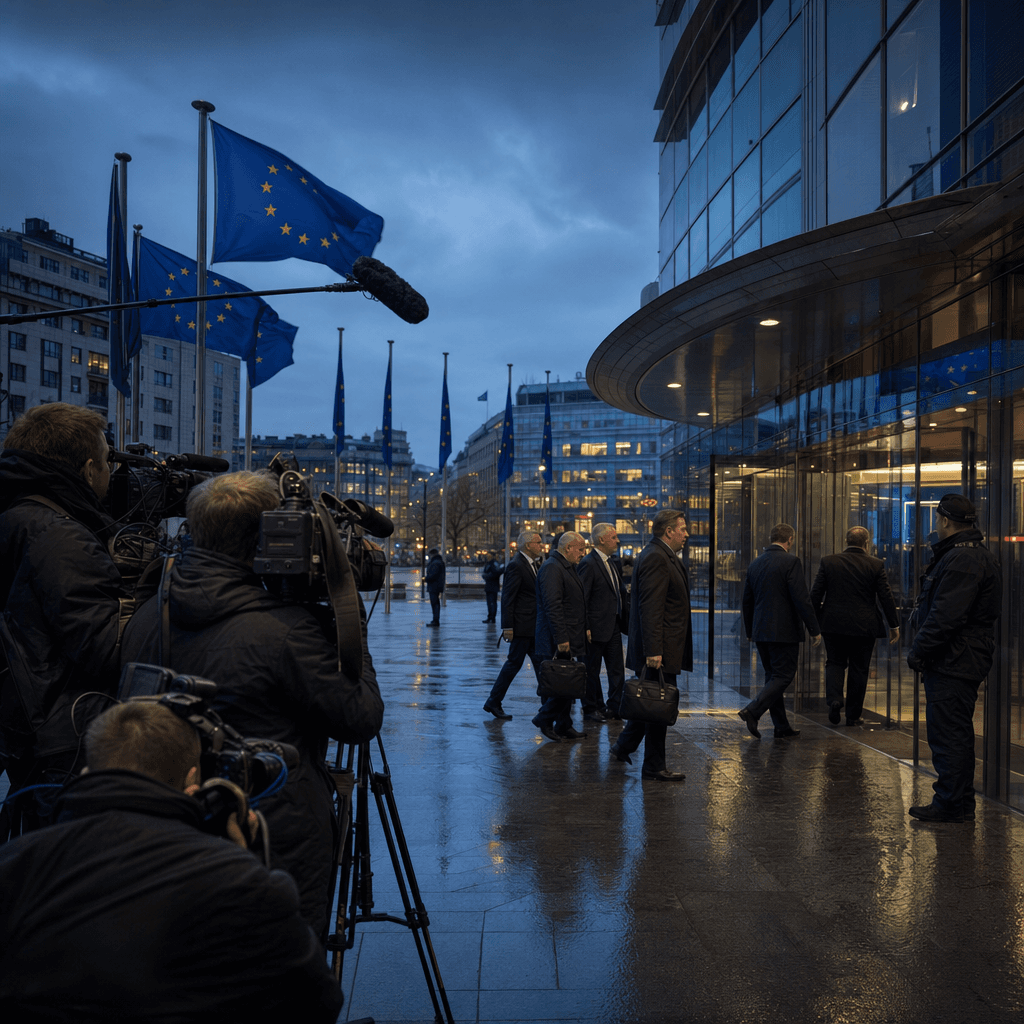
EU Summons Russia Over Kyiv Threats — What Moscow Wants
Europe’s summons of Russian envoys is a refusal to let Moscow weaponize embassy risk—and a signal that Kyiv’s support remains firm.
Moscow is trying to turn the foreign diplomatic presence in Kyiv into leverage. Germany, the Netherlands, Norway and the EU summoned Russian envoys after Russia warned foreigners and diplomats to leave Kyiv ahead of planned strikes, Reuters reported. The EU called the threat an “unacceptable escalation,” while Germany said Moscow was resorting to “threats, terror & escalation,” according to
Al Jazeera.
Moscow’s message is aimed past Kyiv
This was not just a battlefield warning. Russia’s foreign ministry said it planned “systematic strikes” on what it described as military-industrial targets in Kyiv and told foreign citizens, including diplomatic staff, to leave the city as soon as possible, Al Jazeera reported. The timing matters: Moscow issued the warning after a heavy bombardment of Kyiv and after framing its retaliation as a response to a Ukrainian drone attack in occupied Luhansk that it said killed at least 18 people,
Al Jazeera reported.
That is the real power play. Russia is not just threatening infrastructure; it is testing whether European governments will start treating the Ukrainian capital as too dangerous for sustained diplomatic presence. If they do, Moscow gets a political win even without changing the military balance. If they do not, the threat still forces them to publicly reaffirm support for Ukraine.
For that reason, the European response was deliberately blunt. The EU said its delegation would remain in Kyiv, and Norway said it summoned Russia’s ambassador over the “explicit threats against foreign personnel in Ukraine,” Reuters reported. That is less about persuading Moscow than denying it the psychological effect it wants.
Who gains, who loses
Russia benefits if it can spread fear without paying a diplomatic cost. The Kremlin has repeatedly paired military escalation with coercive messaging, but this version is sharper because it points directly at foreign missions, international organizations and the governments that back them. As Al Jazeera noted, the warning was treated in Berlin and Brussels as intimidation, not routine military signaling.
Ukraine benefits from the opposite reaction: staying power. Every embassy that remains in Kyiv undercuts Russia’s claim that the city is becoming inaccessible or politically isolated. That matters for air-defense coordination, humanitarian operations and the basic optics of Western resolve. For a broader read on the diplomatic stakes, see Global Politics.
What to watch next
The immediate test is whether Russia follows the warning with another major strike package on Kyiv, and whether any mission trims staff or changes posture. If the attacks come and the Europeans stay put, Moscow’s leverage attempt fails and its threats become just another layer of pressure in a war that is now as much about coercion as territory. If embassies start adjusting operations, Russia will have proved it can move European behavior without firing a shot.
Discover more
Global
Kyiv's Empty Quiver: Ankara Summit on NATO
As Russia strikes Kyiv, NATO's Ankara summit must address Ukraine's urgent air defense needs amid dwindling interceptor supplies.
India
Russia's Balancing Act with India and China
Russia's deepening dependence on China is straining its long-standing strategic partnership with India, exposing the limits of Moscow's balancing act in Asia.
Conflict & Security
Russia Encircles Konstantinovka—Key to Donbas
Russia's encirclement of Konstantinovka could unlock the wider Donbas for further advances, marking a pivotal moment in its grinding eastern offensive.
Conflict & Security
Ukraine's Energy Offensive Hits Crimea
Ukraine's drone campaign is disrupting Russian fuel supplies and forcing rationing in Crimea, turning energy infrastructure into a key front of the war.