Israel’s Lebanon Escalation Puts Iran Truce
Israel intensifies military actions in Lebanon amid US-Iran negotiations.
Model Diplomat3 min readMiddle East
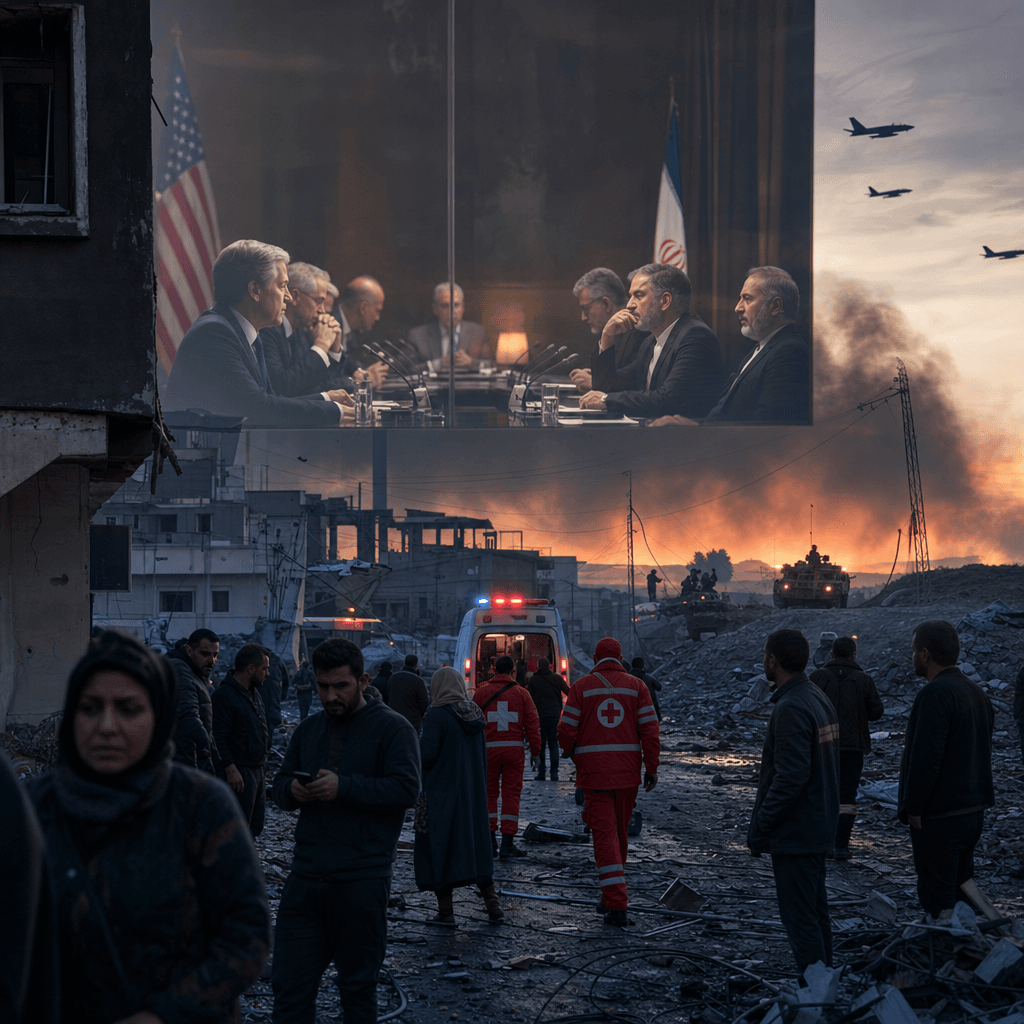
Israel’s Lebanon Escalation Puts Iran Truce on Thin Ice
Israel is using southern Lebanon to widen the pressure campaign, while Tehran tries to force Lebanon into any US-Iran deal and Washington scrambles to contain both fronts.
Israel is setting the pace of this war. Al Jazeera reported that Israeli strikes killed 31 people in Lebanon, including women and children, as ground forces pushed deeper into Lebanese territory and the military issued forced-displacement orders for dozens of towns and villages; Hezbollah said it launched 32 attacks on Israeli forces in response (Al Jazeera). At the same time, US Secretary of State Marco Rubio said “specific language” for a deal to end the Iran war was being negotiated in Qatar and would take “a few days,” while President Donald Trump was due to convene an unscheduled cabinet session at the White House (
Al Jazeera).
Israel is forcing the Lebanon issue
The battlefield logic is straightforward: Israel is trying to lock in security gains in Lebanon before diplomacy can freeze them. Reuters, via Annahar, reported that Israel continued bombing Lebanon even as US-Iran ceasefire talks were under way, and that an Israeli soldier was killed in southern Lebanon, underscoring that the front is still active (Reuters). Another Reuters report said Israel had called up more troops and intensified strikes on Hezbollah infrastructure ahead of direct talks between Lebanese and Israeli delegations in Washington on May 29 and June 2-3 (
Reuters).
That matters because Israel is turning Lebanon into the test case for the wider settlement. If it can keep pressing Hezbollah while the US is negotiating with Iran, then it gains leverage over the terms of any ceasefire without conceding ground. If Washington cannot restrain it, the diplomatic track becomes hostage to the military one. That is why this belongs in Global Politics: the local war is now shaping the regional deal.
Iran’s leverage is linkage
Tehran’s answer is to insist that Lebanon be included in any agreement. Al Jazeera quoted analysts and Iranian-linked reporting saying Tehran wants an end to fighting on “all fronts,” including Lebanon, and that any deal that ignores Hezbollah is incomplete (Al Jazeera). That is not altruism; it is bargaining. Iran’s leverage is not battlefield dominance in Lebanon, but its ability to widen the cost of a partial deal and keep the Strait of Hormuz and broader regional calm tied to concessions elsewhere.
The problem for Tehran is that Hezbollah is paying the price while it tries to cash in that leverage. Reuters, via Annahar, said Hezbollah kept firing rockets and drones into northern Israel, while Israeli air power continued to punish Lebanese towns and infrastructure (Reuters). Lebanon’s state, already weak, loses either way: it absorbs the damage, but has little control over the negotiations.
What to watch next
The next decision point is the diplomatic calendar. Trump’s cabinet session, the Qatar talks, and the May 29 Pentagon meeting between Lebanese and Israeli delegations will show whether Washington can separate the Iran file from the Lebanon front (Al Jazeera;
Reuters). If the strikes in Lebanon continue at this tempo, the talks will not fail because of nuclear language alone; they will fail because Israel is still changing facts on the ground faster than the negotiators can write them down.
Discover more
Tech Policy
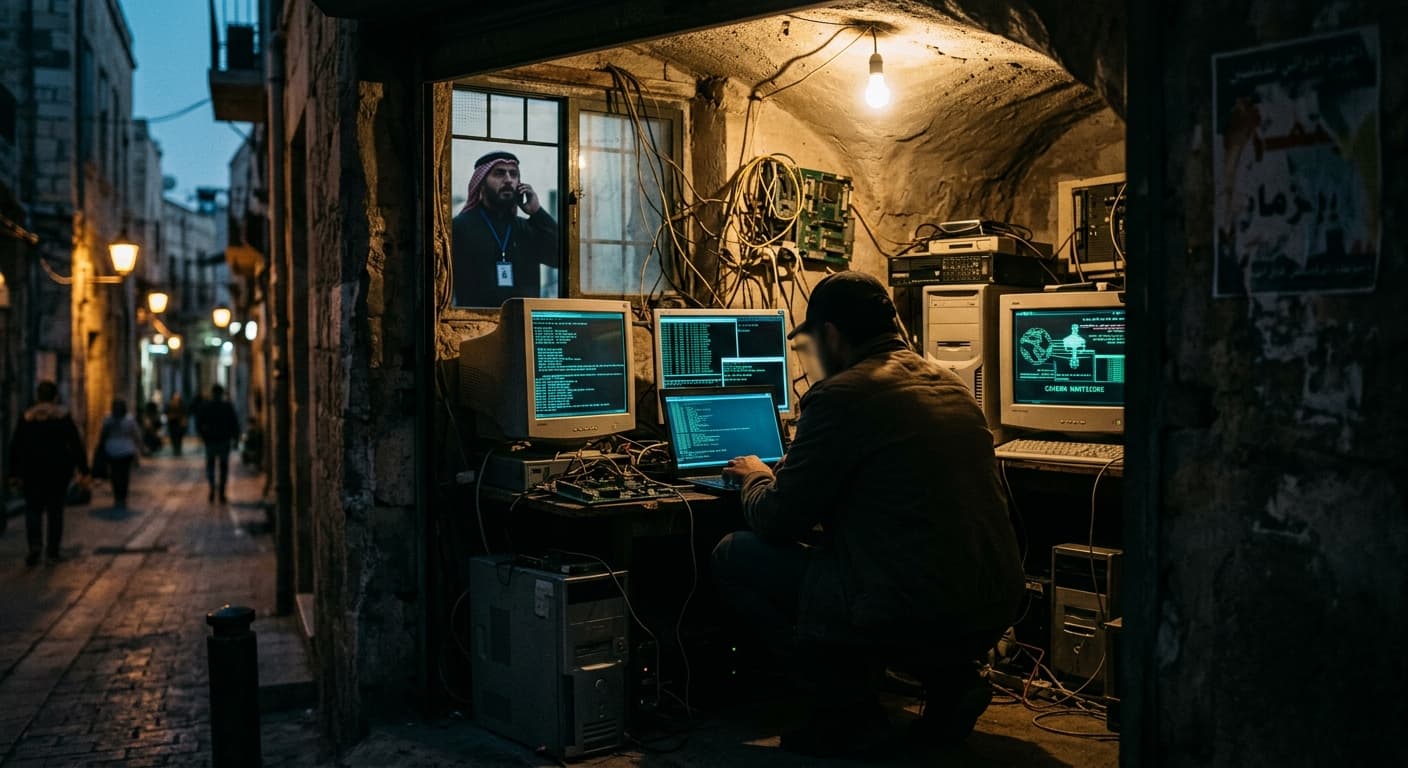
Iran's Cavern Manticore Targets Israel's IT
Cavern Manticore, an Iran-linked hacking group, targets Israeli IT vendors, prompting a shift in Israel's cybersecurity policy and legislative efforts.

Tech Policy
Iran's Cavern Manticore Cyber Threat
Iran's Cavern Manticore cyber group exploits Israeli IT networks, leading to new cybersecurity regulations in Israel.
Conflict & Security
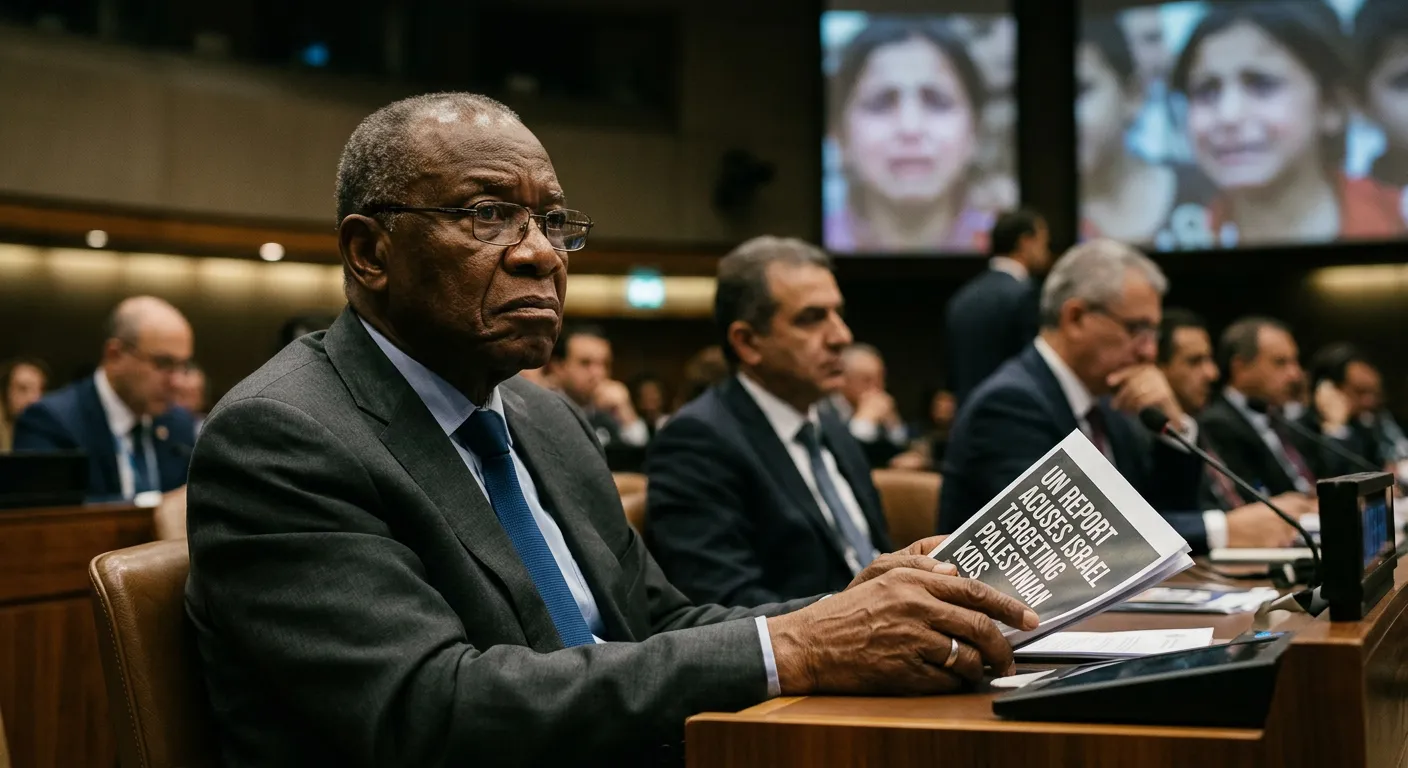
UN Report: Israel Targets Palestinian Kids
A UN report accuses Israel of genocide against Palestinian children in Gaza, citing grave human-rights violations and intensifying scrutiny of the war's toll.
Conflict & Security
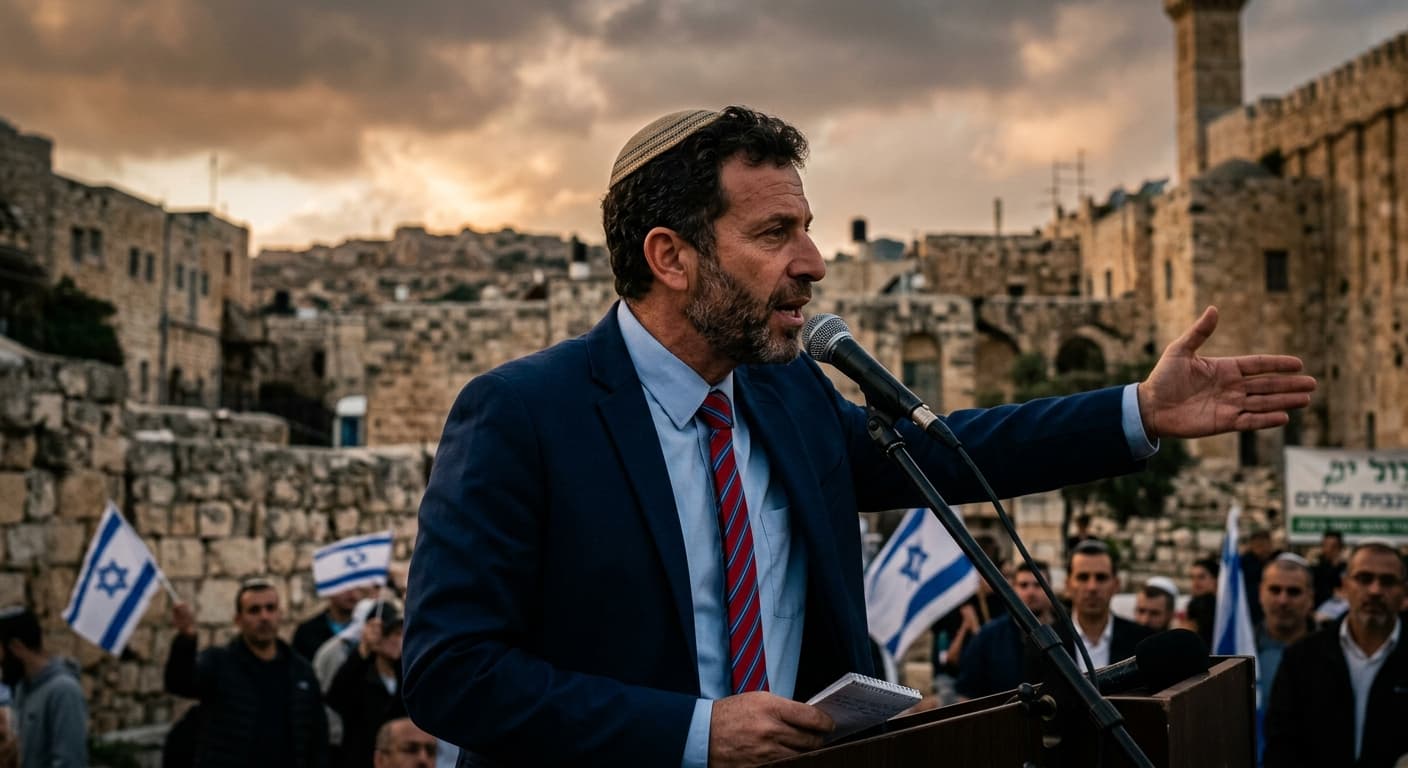
Israel's Annexation Strategy Escalates
Israel's annexation push goes public as minister Smotrich declares intent in Hebron, signaling an open strategy to entrench West Bank settlements and control.