Rahul Gandhi's Nicobar Visit vs Modi's ₹92,00
Gandhi's trip highlights tribal land disputes and government pressure.
Model Diplomat3 min readAsia
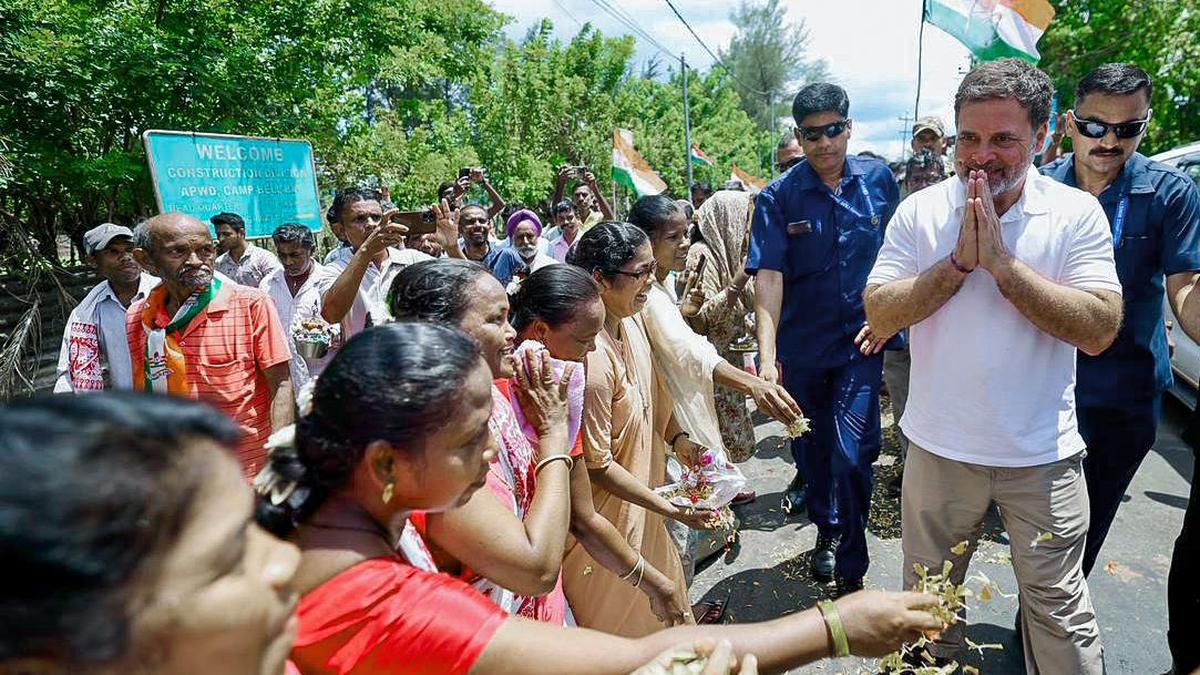
Rahul Gandhi's Nicobar Visit Puts Modi's ₹92,000 Crore Bet on Trial
Congress leader Rahul Gandhi reached Great Nicobar Island despite administration pushback, turning a tribal land dispute into a national political flashpoint.
Rahul Gandhi, Leader of the Opposition, landed on Great Nicobar Island to meet the Nicobarese community — explicitly defying what he described as the administration's efforts to block his visit. The trip, previewed by multiple meetings with tribal delegations in New Delhi, is the most visible political challenge yet to the ₹92,000 crore Great Nicobar Island Holistic Development Project, a Modi government flagship that includes a transshipment port, international airport, 450 MW power plant, and township to be developed by ANIIDCO.
The Project, the Pressure, the Paper Trail
The Great Nicobar project secured Stage-I forest clearance in 2022, survived a National Green Tribunal challenge, and received NGT approval in early 2026 — citing "strategic importance." But the clearances have not quieted the opposition. The Calcutta High Court is still hearing petitions alleging violations of tribal consent procedures and forest rights. The Hindu's reporting revealed that the Nicobar Tribal Council alleges direct administrative pressure to sign a "surrender certificate" for ancestral lands — lands from which the Nicobarese were already displaced by the 2004 tsunami. A draft "Comprehensive Tribal Welfare Plan" circulated in March 2026 identified two specific relocation sites — Rajiv Nagar (101 persons) and New Chingenh (117 persons) — and budgeted ₹42.52 crore for relocation over 24 months. Congress's Jairam Ramesh immediately called this a contradiction of the government's consistent public position that the project causes zero displacement.
The Tribal Council, led by Barnabas Manju and Titus Peter, revoked its no-objection certificate four years ago. Over 800 families, including Particularly Vulnerable Tribal Groups, face direct exposure to land diversion. The project requires clearing roughly 18% of the island's forest cover — in one of the most ecologically sensitive zones in the Indian Ocean, home to leatherback turtle nesting sites and rare coral ecosystems.
Who Holds the Cards
The Modi government holds all the institutional levers: environmental clearances are in place, the NGT has signed off, and the project is framed as a strategic necessity to establish Indian naval and commercial presence near the Malacca Strait. Adani and Ambani have been named by tribal leaders as prospective beneficiaries of port and infrastructure contracts — a political charge Congress is clearly deploying. Environment Minister Bhupender Yadav has defended the clearances as development-essential.
Rahul Gandhi holds the narrative. His visit — resisted by local administration, which gives the optics of a government trying to suppress scrutiny — converts a slow-burning tribal rights dispute into a national opposition set piece ahead of state elections. For India watchers, this follows a pattern: Gandhi using physical visits to contested sites to anchor Congress's identity politics.
The Nicobarese community holds the least leverage of any actor here, which is why the visit matters symbolically. Their revoked NOC has had no legal effect.
What to Watch
The Calcutta High Court is the live pressure point. The government promised to demonstrate tribal consent within 15 days of a court hearing — whether it has done so, and the court's response, will determine whether construction can accelerate without political and legal disruption. Watch also for Parliament sessions: Gandhi has pledged to raise the issue on the floor, where the tribal displacement-versus-displacement denial contradiction is made-to-order for opposition questioning. Any government move to fast-track land diversion before the court rules would sharpen the conflict considerably. Follow the story at Diplomat Briefing's India coverage.
Discover more
India
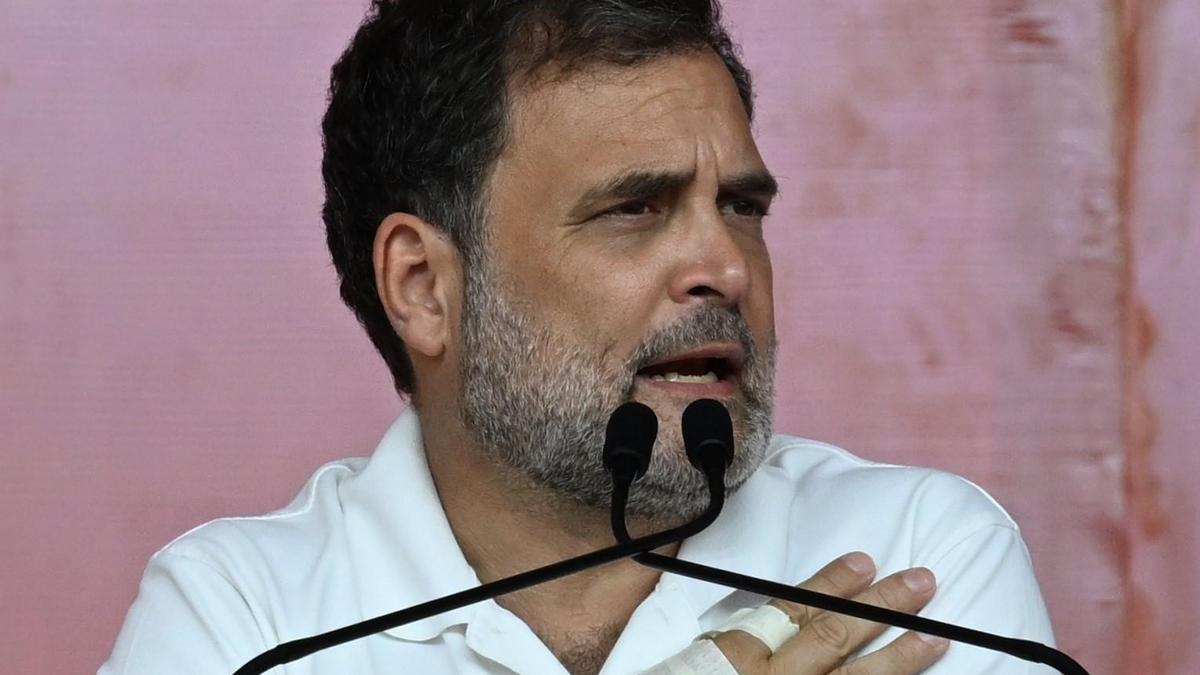
Rajnath Singh's Durga Squad for 2026 Polls
Rajnath Singh's Durga Squad promised women's safety in Bengal but has since disappeared from the agenda, revealing BJP's true priorities.
India
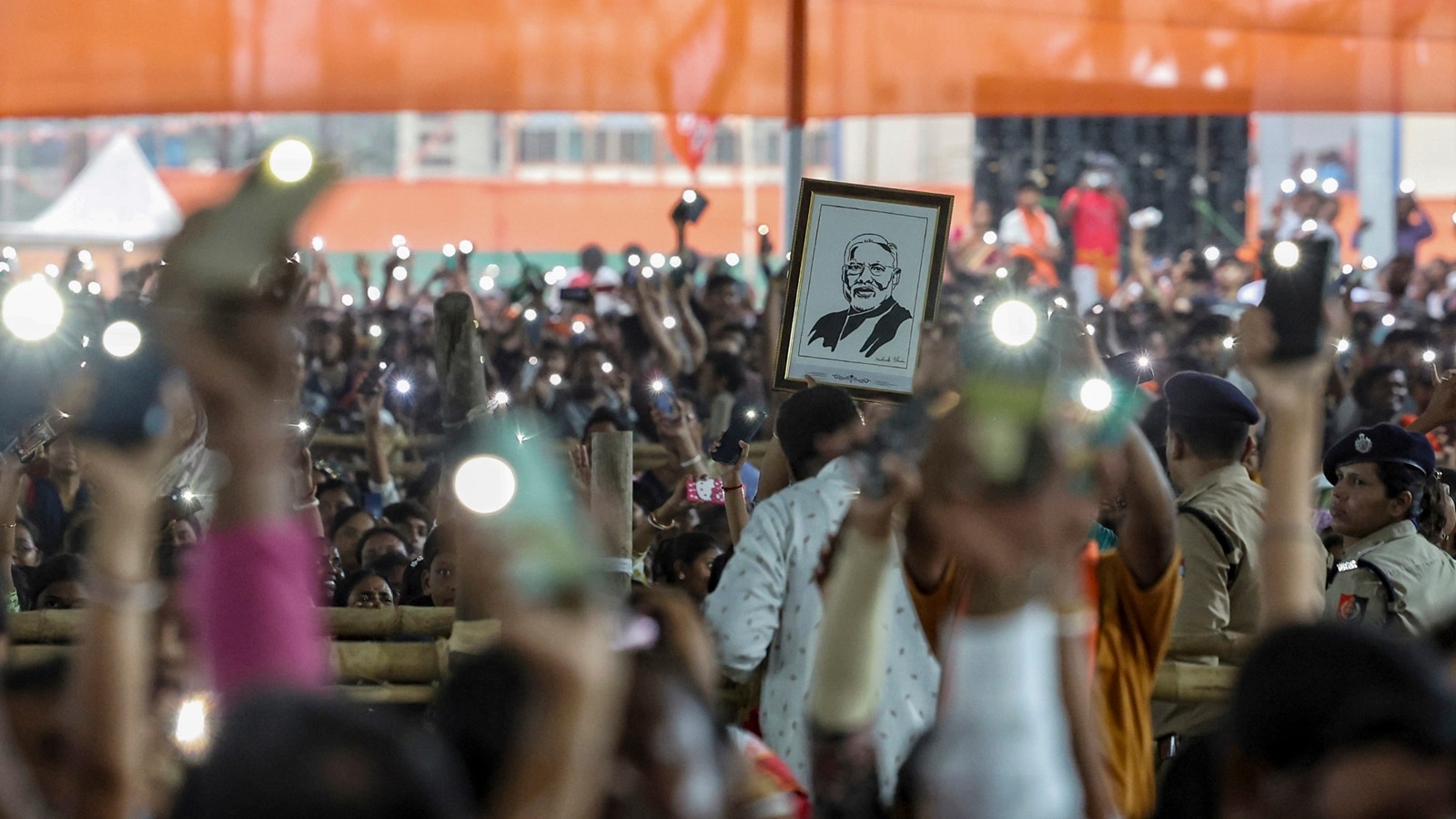
Modi's Women’s Convention in Varanasi
Modi's Varanasi rally frames women's reservation as a national mission, targeting the 2027 Uttar Pradesh elections with a strategic narrative.

Conflict & Security
Drone Warfare Killing Aid Workers at Unprec
Over 1,000 humanitarian workers killed in three years as cheap armed drones collapse legal protections. Gaza, Sudan, Ukraine, and DRC see deliberate targeting of aid convoys and hospitals with zero prosecutions.

Global
World Normalises Taliban as Afghan Women Eras
UN data shows Afghan women erased from public life as Russia recognises the Taliban, EU hosts officials in Brussels, and ICC warrants for gender persecution go unenforced.