Rahul Gandhi Exposes Modi's Reservation Bill
Gandhi warns of vote dilution for OBCs and Dalits under new bills
Model Diplomat3 min readIndia
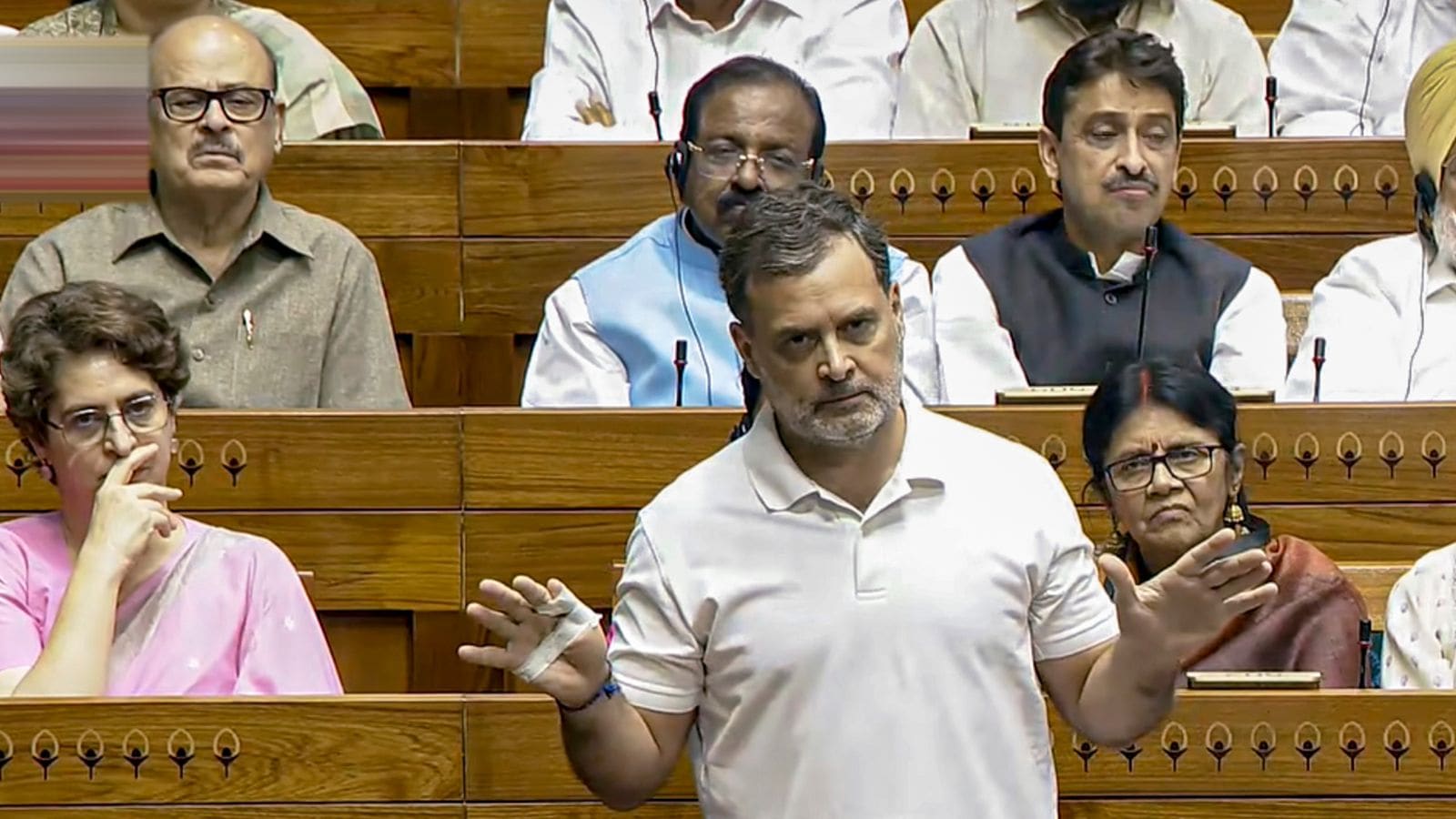
Rahul Gandhi Warns Modi Govt’s Women’s Reservation Bill Masks OBC, Dalit Vote Dilution
Rahul Gandhi charges the Modi government with manipulating electoral boundaries and representation via three bills, cloaked under the guise of women’s rights, to sideline OBCs, Dalits, and minorities.
Rahul Gandhi’s sharp critique of the Modi government landed in Parliament on April 16, 2026, as he accused the ruling party of covertly redrawing India’s electoral map through a trio of legislative moves targeting women’s reservation, delimitation, and representation. According to Gandhi, these initiatives aim not just at increasing women’s representation but strategically curtailing the political weight of Other Backward Classes (OBCs), Dalits, and minority groups — critical vote banks in India’s democracy. “They are hiding behind women,” he said, implying the women’s reservation bill is a smokescreen to reshape the political landscape in favor of the BJP’s preferred electorate.
What Rahul Gandhi Sees: A Repackaged Delimitation Strategy
The recent three-bill package comprises the Women’s Reservation Bill, a delimitation bill, and a bill concerning representation norms. Gandhi argues these are linked and designed to weaken historically underrepresented communities’ political influence, a claim that echoes fears raised in opposition ranks since the delimitation process restarted in late 2025.
Delimitation — redrawing constituency boundaries based on new census data — has always been a politically sensitive exercise, often accused of gerrymandering. The Modi government’s current plan, combined with a proposed increase in reserved seats for women, could potentially reduce reserved seats for OBCs and Dalits by reconfiguring which constituencies are reserved and for whom.
Gandhi’s warnings invoke the painful memory of the 2008 delimitation by the UPA government, which some critics said diluted Dalit and minority vote power under the guise of population balancing. Now, the BJP is accused of repeating history but using the popular demand for gender justice as cover. This framing risks sidelining intersectional political realities — where women from marginalized backgrounds require genuine empowerment, not tokenism that weakens their communities’ overall representation.
Why This Matters: Electoral Balance and Democracy at Stake
India’s democracy thrives on the delicate balance of representation among diverse social groups. OBCs constitute around 41% of the population, Dalits roughly 17.85%, and minorities add another sizeable chunk, making their vote crucial. Reducing these groups’ voice in legislative bodies undermines not only social justice but electoral competitiveness for parties that depend on these coalitions.
By focusing on women’s representation — which voters broadly support — the BJP potentially crafts a narrative of progressivism while re-engineering community-based politics to its electoral advantage. This raises questions about who truly benefits from the women’s reservation bill: women at large or the ruling party’s electoral calculus.
What to Watch Next
Parliament’s debate on these bills will reveal how various parties position themselves on the intersection of gender and social equity politics. Key indicators include:
- Whether parties representing OBC, Dalit, and minority interests unite in opposition or split.
- Data on projected shifts in reserved constituency boundaries post-delimitation.
- Reactions from women’s rights groups—whether they view these bills as empowerment or political maneuvering.
- How regional parties with strong caste-based support respond.
This unfolding political drama is a critical juncture in India’s representation politics, blending gender justice with complex caste and community equations. Rahul Gandhi’s accusations, supported by emerging analyses, suggest the Modi government’s strategy is less about empowering women and more about consolidating power by reshaping India’s social and electoral map.
For ongoing coverage and background on India’s political developments and caste dynamics, see India and
Global Politics.
Sources:
Discover more
India
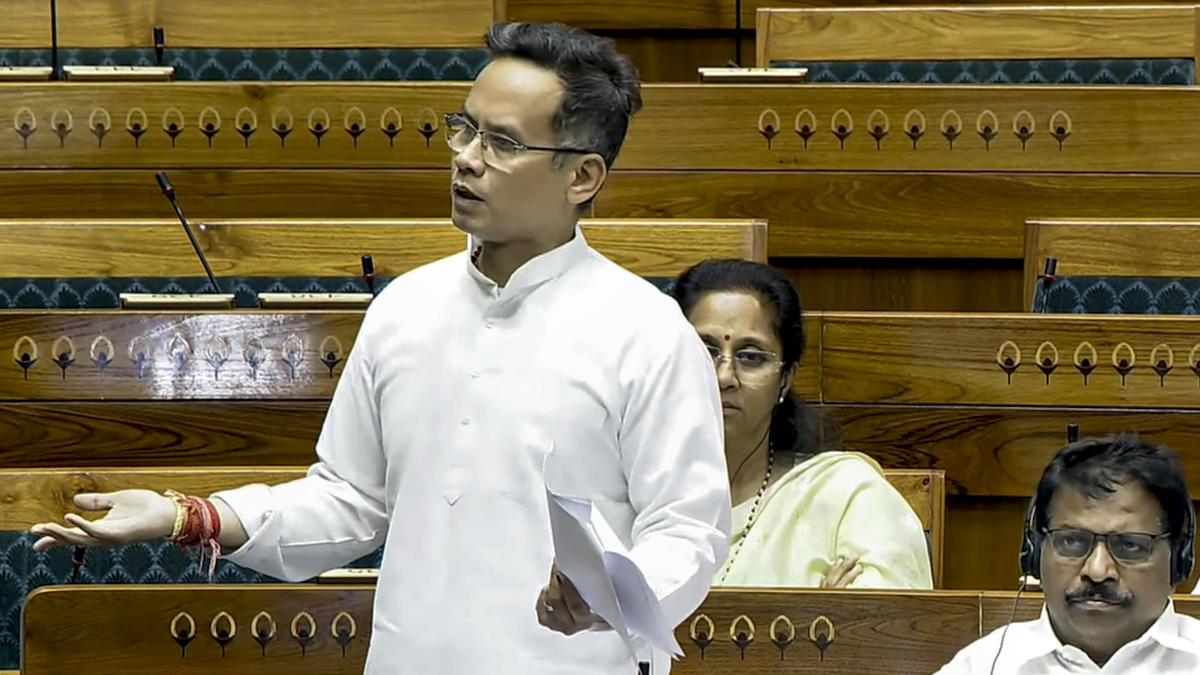
Congress: Modi's Delimitation Manipulation
Congress accused the Modi government of using delimitation to consolidate power in Jammu and Kashmir, urging it be separated from the women's reservation bill.
India
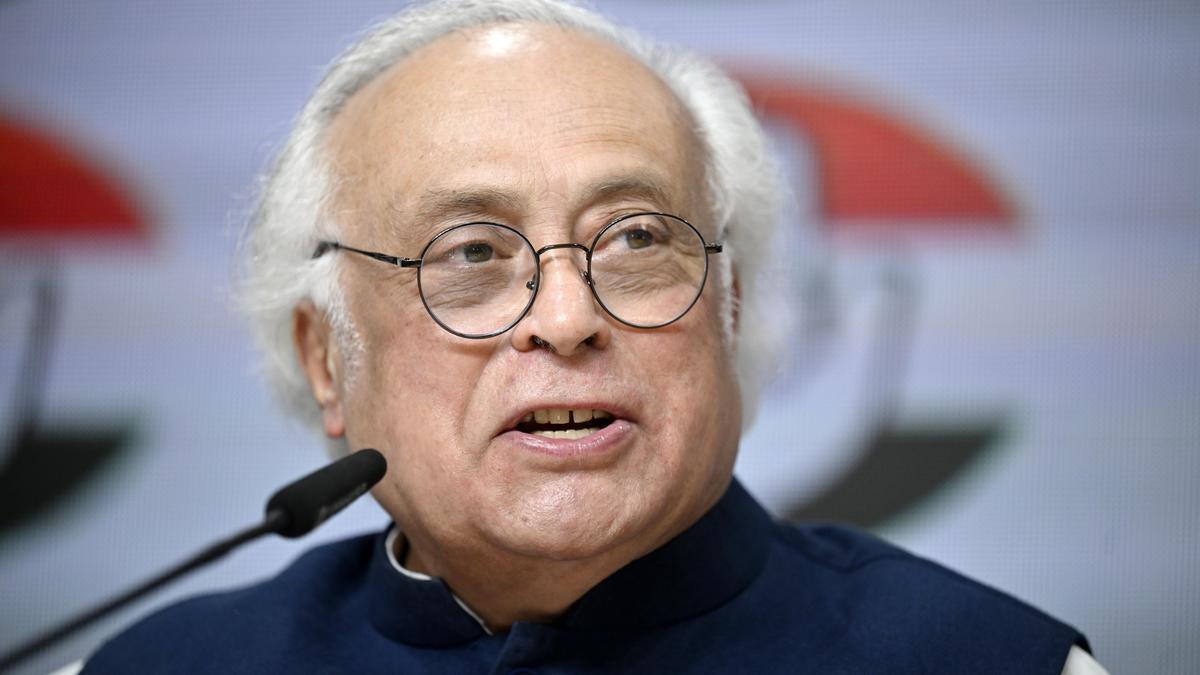
Congress Accuses Modi of Delimitation Deceit
Congress accuses Modi's government of deceit over delimitation, charging it skips a caste census and reshapes political dynamics to its favor before elections.
India
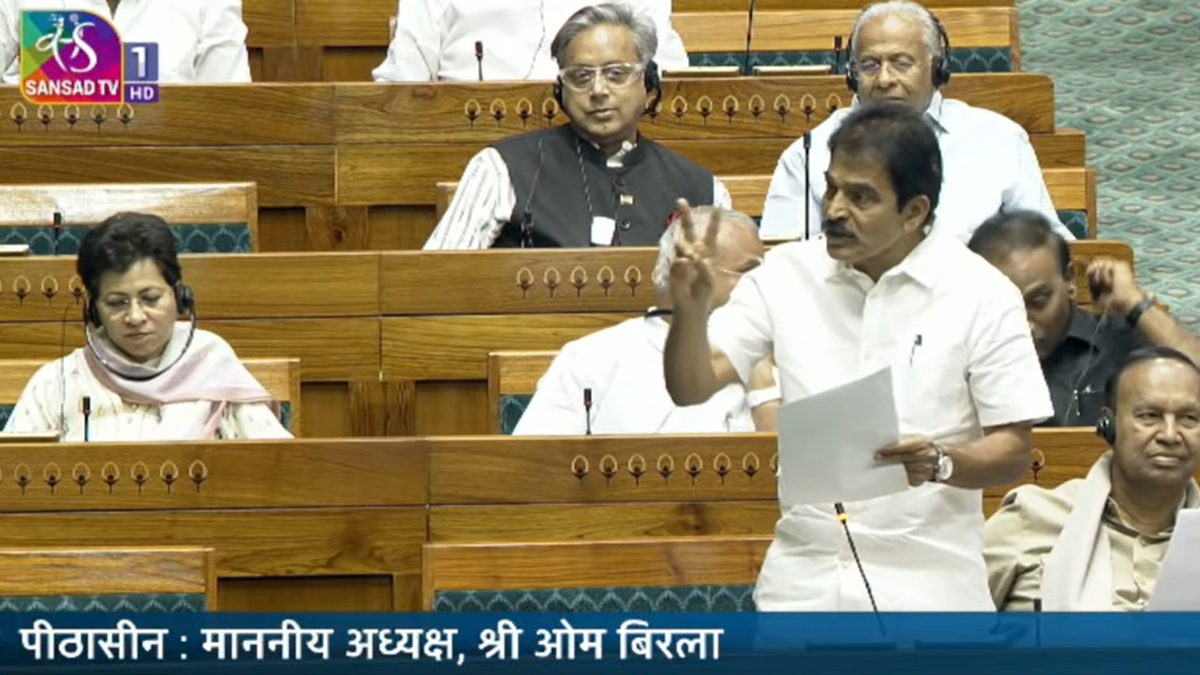
BJP's Women's Reservation Bill Controversy
The BJP faces backlash over the Women's Reservation Bill as the DMK accuses it of political exploitation during a heated and pivotal Lok Sabha session in Delhi.

Conflict & Security
Drone Warfare Killing Aid Workers at Unprec
Over 1,000 humanitarian workers killed in three years as cheap armed drones collapse legal protections. Gaza, Sudan, Ukraine, and DRC see deliberate targeting of aid convoys and hospitals with zero prosecutions.