Putin's Ukraine Peace Signal: Tactical Shift
Putin hints at peace talks but on Moscow's terms.
Model Diplomat2 min readEurope
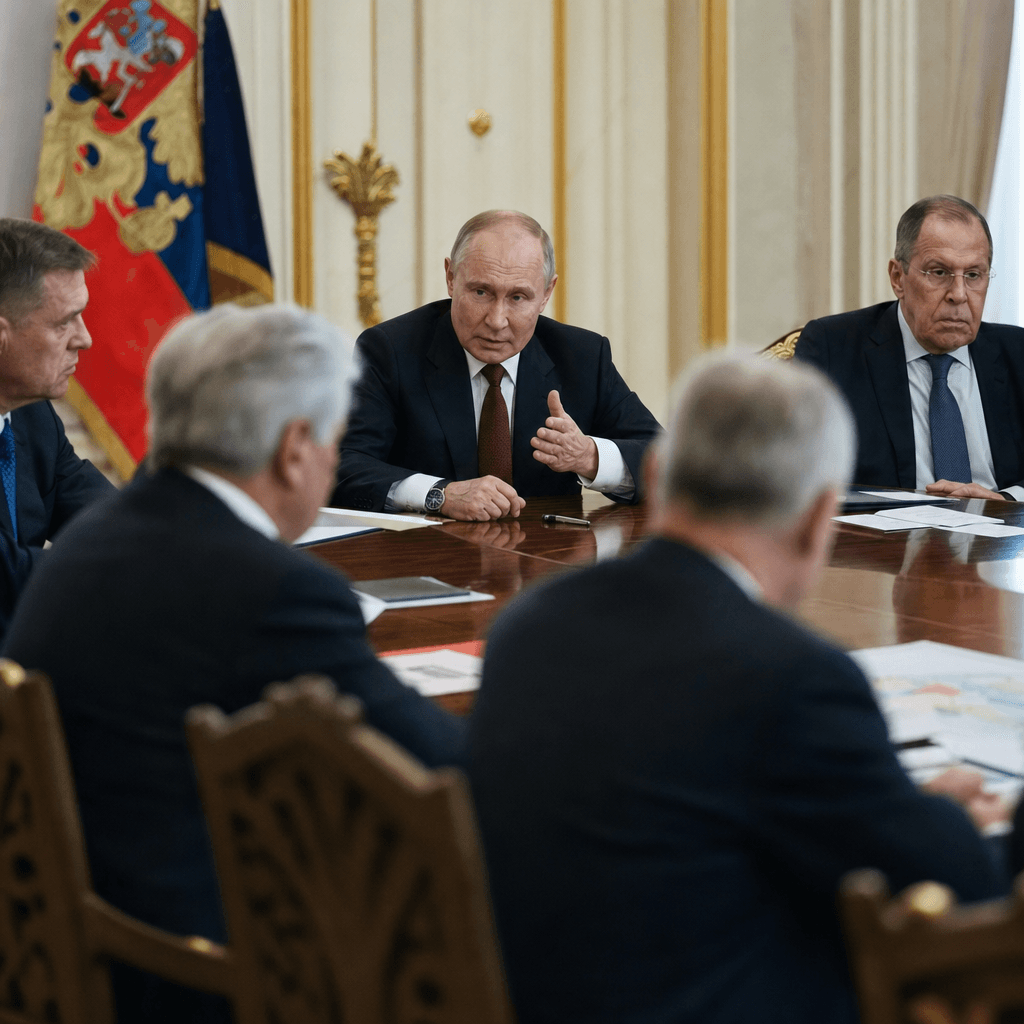
Putin’s Ukraine Peace Signal Looks Like a Tactical Reset
After Europe and Trump pressed a ceasefire, Putin floated direct talks and a possible endgame — but only on Moscow’s terms.
Putin is not offering a clean exit from Ukraine; he is trying to reclaim the diplomatic initiative after a weekend that briefly unified Kyiv’s backers. In Moscow, he said the war may be “coming to an end” and repeated that he was ready to meet Volodymyr Zelenskyy, but only in a third country and only after the terms of a deal were already settled, not as part of negotiations themselves, according to Al Jazeera. That is a familiar Kremlin move: signal flexibility while preserving the right to define the outcome.
Moscow is trying to escape the pressure point
The timing is the point. Putin’s remarks came as Russia and Ukraine were observing a short U.S.-backed truce and continuing prisoner-swap discussions, while broader talks remained stalled, Al Jazeera reported. At the same time, European leaders, with Donald Trump on the phone, pressed for an unconditional 30-day ceasefire starting Monday and warned of new sanctions if Moscow refused,
POLITICO reported.
That matters because Putin’s offer of direct talks in Istanbul on May 15 gives him a way to look engaged without accepting the one demand that would constrain Russia immediately: a ceasefire first. BBC reported that Putin invited “serious negotiations” but did not directly answer the call for an unconditional 30-day pause. In other words, Moscow wants diplomacy on a battlefield of its own making.
For Kyiv, the risk is obvious. Any drift from ceasefire-first to talks-first buys Russia more time on the front line and more room to keep pressure on Ukrainian forces. For Europe, the danger is political: if Trump treats Putin’s signal as progress, the coalition pressing for sanctions could lose momentum.
Who gains, who loses
Putin benefits if this becomes a process story instead of a war-ending story. He can tell domestic audiences that Russia is still in control, while telling Trump and European capitals that he is open to peace. That is useful positioning if Russian advances have slowed and if the Kremlin wants to avoid appearing cornered.
Ukraine loses if the West relaxes before Russia commits to a verifiable truce. Zelenskyy’s position remains unchanged: no talks without a ceasefire and security guarantees, BBC reported. Europe also loses if its unity fractures before sanctions are tightened; the leverage only works if it is applied fast and together.
This is the central power dynamic for Global Politics: Putin is testing whether Washington and Europe want a ceasefire badly enough to impose costs, or whether they will reward a procedural gesture as progress.
What to watch next
The immediate test is whether Moscow accepts the Monday ceasefire demand or uses the proposed May 15 Istanbul talks to reset the agenda, POLITICO and
BBC reported. If Russia keeps attacking while talking peace, the message is simple: the Kremlin wants leverage, not settlement.
Discover more
Global Politics
Trump's Conflicting Messages on Iran War
Trump's mixed messages on Iran reflect a strategy of audience management, benefiting Tehran amid a complex geopolitical landscape.

Conflict & Security
Drone Warfare Killing Aid Workers at Unprec
Over 1,000 humanitarian workers killed in three years as cheap armed drones collapse legal protections. Gaza, Sudan, Ukraine, and DRC see deliberate targeting of aid convoys and hospitals with zero prosecutions.
Global
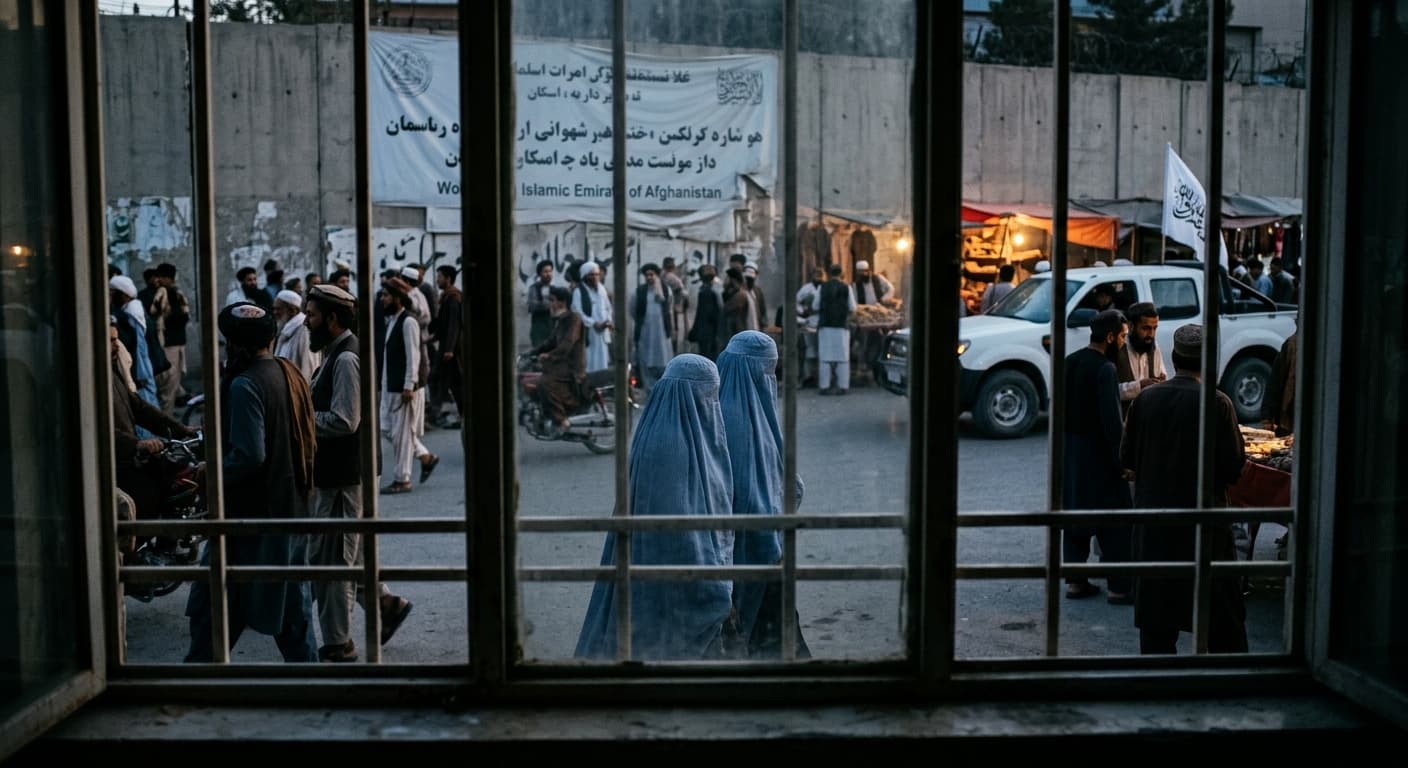
World Normalises Taliban as Afghan Women Eras
UN data shows Afghan women erased from public life as Russia recognises the Taliban, EU hosts officials in Brussels, and ICC warrants for gender persecution go unenforced.
Conflict & Security
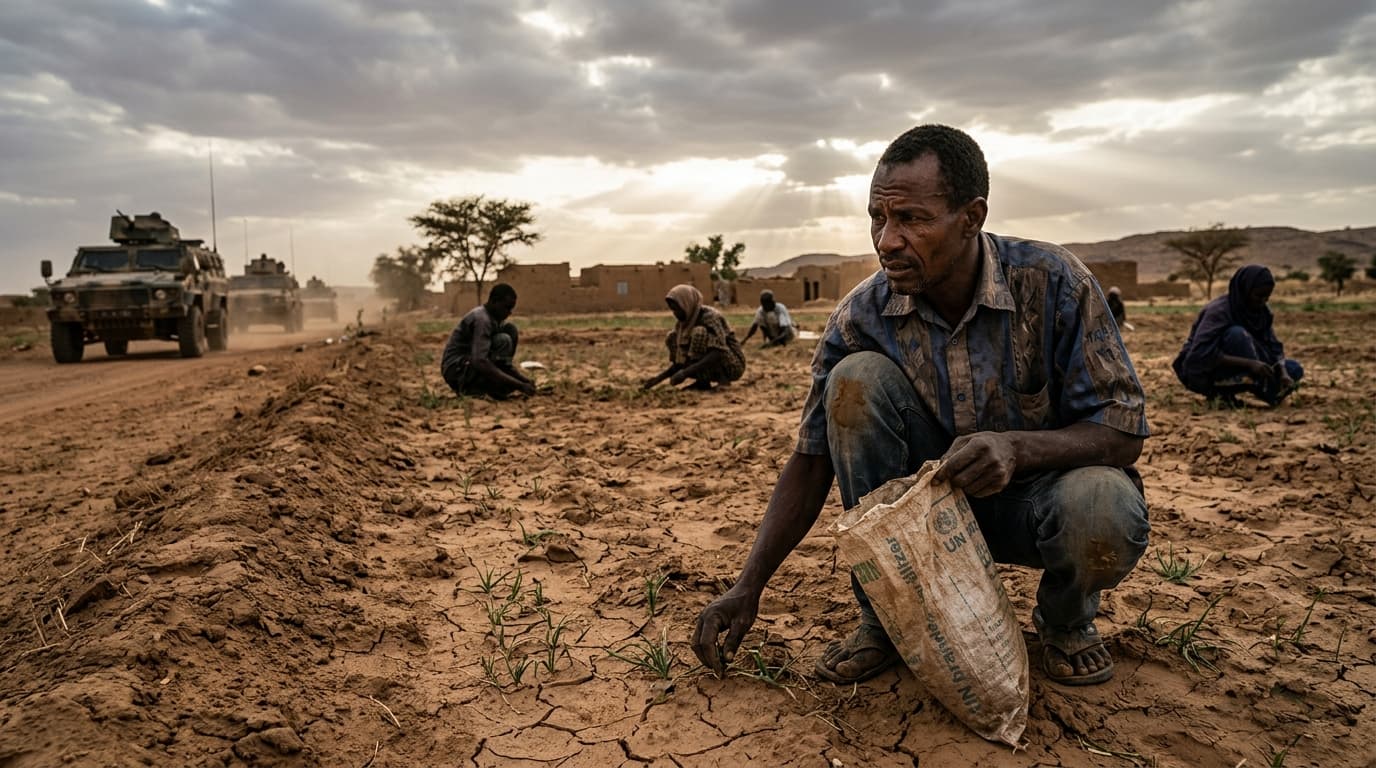
West Africa Food Crisis: Three Shocks in 2026
Conflict, climate extremes, and the Strait of Hormuz closure drive a severe food crisis in West and Central Africa, with fertilizer prices surging 80% and millions displaced.