Putin's Luhansk Retaliation Escalates Tension
Putin uses drone strike to justify retaliation and escalate tensions.
Model Diplomat3 min readEurope
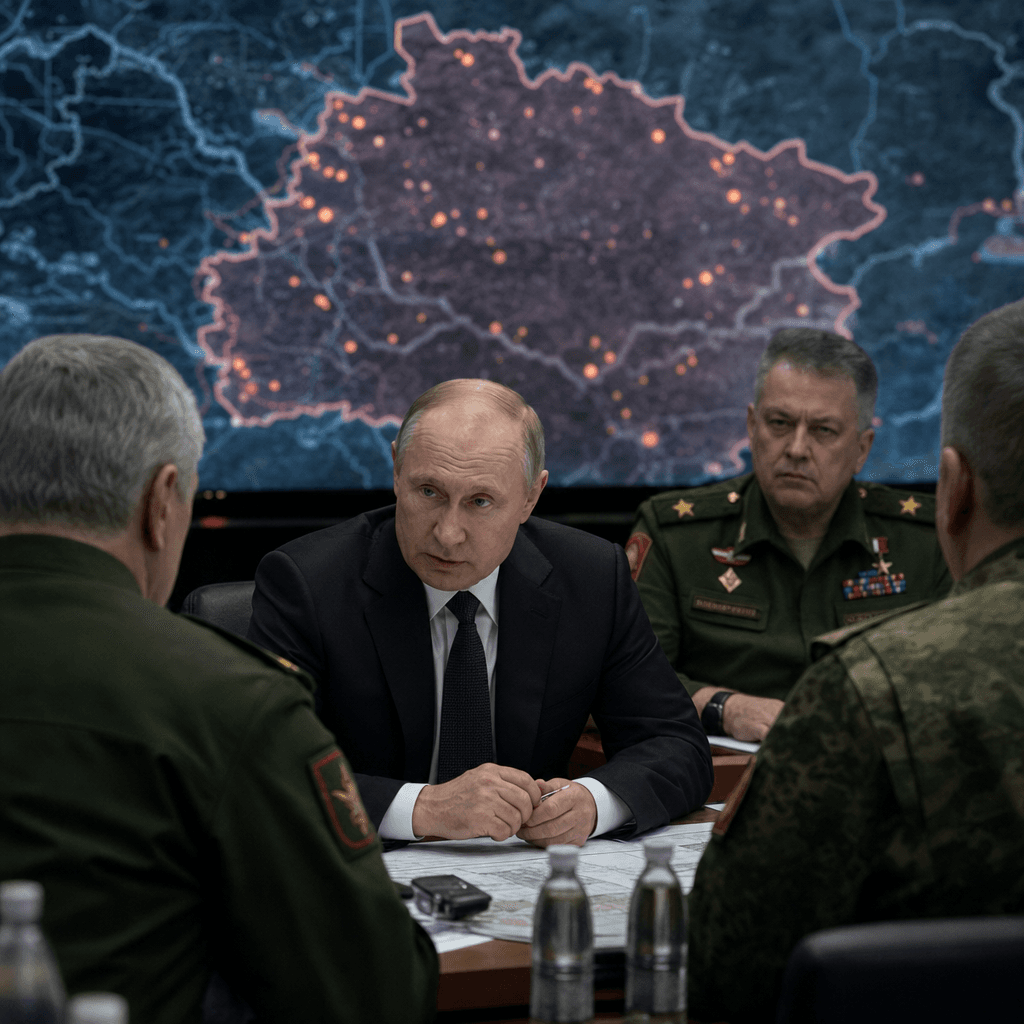
Putin's Luhansk Revenge Pitch Signals Wider Escalation
After a drone strike in occupied Luhansk killed six, Putin is turning the incident into a retaliation case and tightening the escalation cycle.
Russia holds the immediate leverage here because it controls the occupied territory, the narrative machinery, and the next move. Vladimir Putin said Ukraine carried out a drone attack on a student dormitory in Starobilsk, in Russia-controlled Luhansk, killing six and leaving 15 missing, and he ordered the military to prepare retaliation, according to The Guardian and
BBC. Ukraine denied targeting civilians and said its forces hit the headquarters of Russia’s elite Rubicon drone unit instead, a claim also reported by
BBC. The point is not just the casualty count. It is that Moscow is using a contested strike to justify the next phase of pressure.
Moscow is trying to convert grief into permission
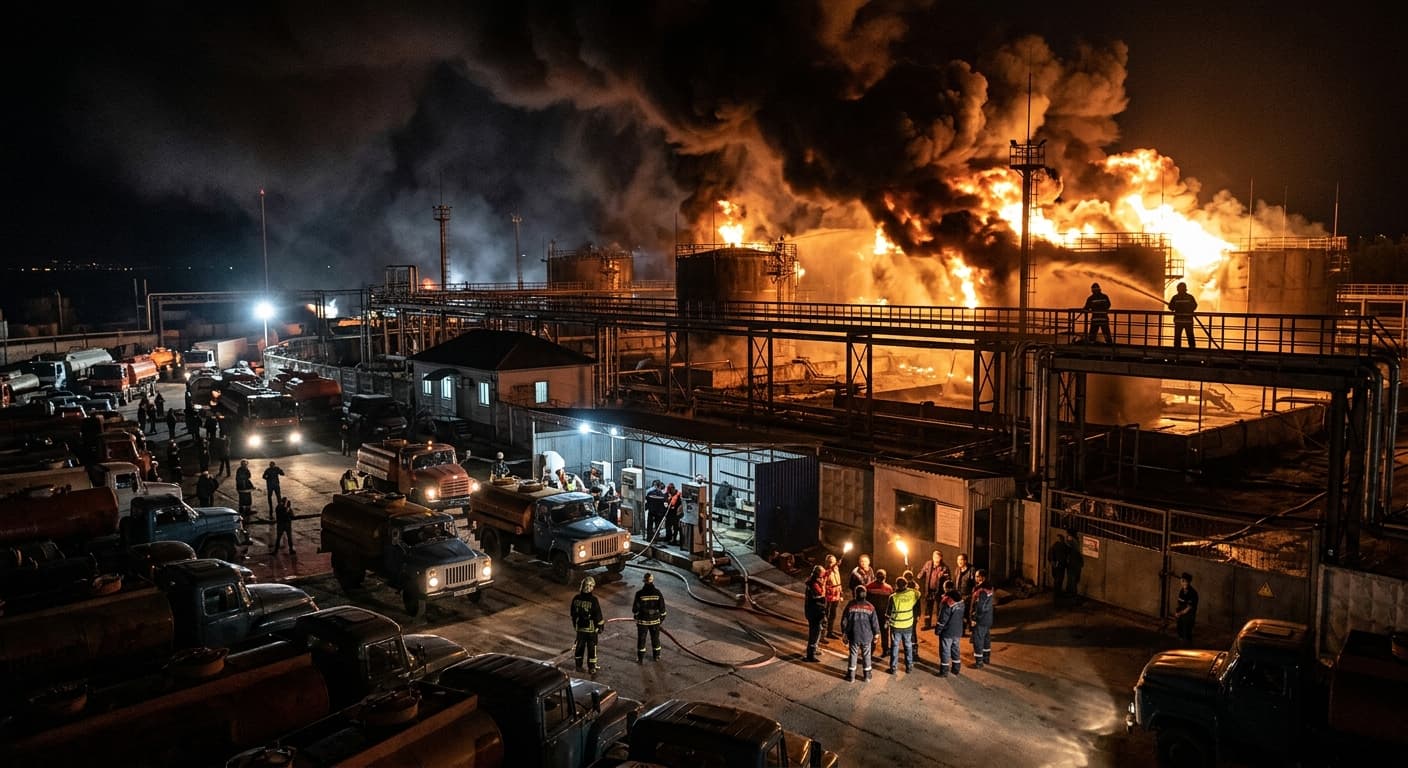
Putin’s language matters because it narrows the room for de-escalation. By framing the Luhansk incident as an attack on students in a dormitory, the Kremlin gets a clean propaganda line: Ukraine is the aggressor, Russia is the aggrieved power, and retaliation becomes pre-authorized in domestic politics. That is a useful move for Moscow after a week in which Ukrainian drones have also hit Russian fuel and military infrastructure, including strikes on an oil refinery and a command post in other occupied areas, as reported by BBC and
France 24.
For Ukraine, the calculation is simpler: deep strikes into occupied territory and inside Russia are meant to impose costs, degrade military logistics, and show that Moscow cannot fully protect rear areas. Kyiv’s problem is that every such strike gives the Kremlin material for escalation messaging. That is why the drone war now matters as much politically as it does militarily. On Global Politics, this is the clearest example of how battlefield effects and information effects have merged into one campaign.
The real contest is over escalation control
This incident does not change the war’s military balance on its own. What it does is test who can shape the terms of response. Russia benefits if it can turn a disputed strike into a justification for bigger attacks on Ukrainian cities, energy sites, or command networks. Ukraine benefits if it can keep hitting military targets while avoiding the appearance of civilian harm, because that sustains Western backing and complicates Russia’s moral framing.
The external audience matters too. The more Moscow can present Ukraine as striking schools or dormitories, the easier it is for the Kremlin to pressure sympathetic media, harden public opinion, and argue that any negotiations must start from Russian terms. The more Kyiv can show it is hitting military infrastructure in occupied territory, the easier it is to defend its own strike campaign as lawful and necessary. That is why disputed casualty claims are now strategic terrain, not just reporting noise. For Kyiv, the domestic and diplomatic stakes are tied together with Ukraine and the broader
Conflict file.
What to watch next
The next decision point is whether Russia responds with a symbolic strike or a broader wave against Ukrainian energy and urban targets. Watch for the Kremlin’s promised retaliation package, any follow-on Russian air campaign in the next 24–72 hours, and whether Ukraine publicly doubles down on its claim that it hit Rubicon rather than civilians. If Moscow escalates hard, it will be signaling that the drone war is now being used to set the political tempo for the summer campaign, not just to shape the battlefield.
Discover more
Global
Kyiv's Empty Quiver: Ankara Summit on NATO
As Russia strikes Kyiv, NATO's Ankara summit must address Ukraine's urgent air defense needs amid dwindling interceptor supplies.
India
Russia's Balancing Act with India and China
Russia's deepening dependence on China is straining its long-standing strategic partnership with India, exposing the limits of Moscow's balancing act in Asia.
Conflict & Security
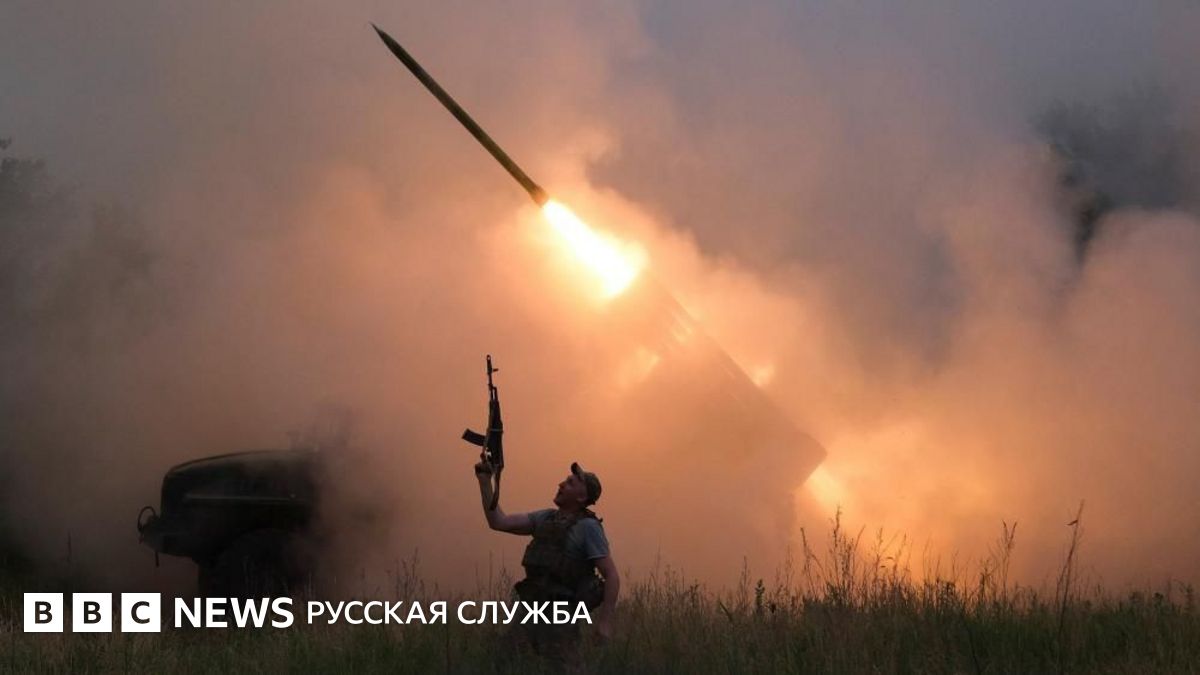
Russia Encircles Konstantinovka—Key to Donbas
Russia's encirclement of Konstantinovka could unlock the wider Donbas for further advances, marking a pivotal moment in its grinding eastern offensive.
Conflict & Security
Ukraine's Energy Offensive Hits Crimea
Ukraine's drone campaign is disrupting Russian fuel supplies and forcing rationing in Crimea, turning energy infrastructure into a key front of the war.