Putin Hints at Ukraine Peace Talks Amid War
Putin hints at peace talks while maintaining core demands.
Model Diplomat3 min readEurope
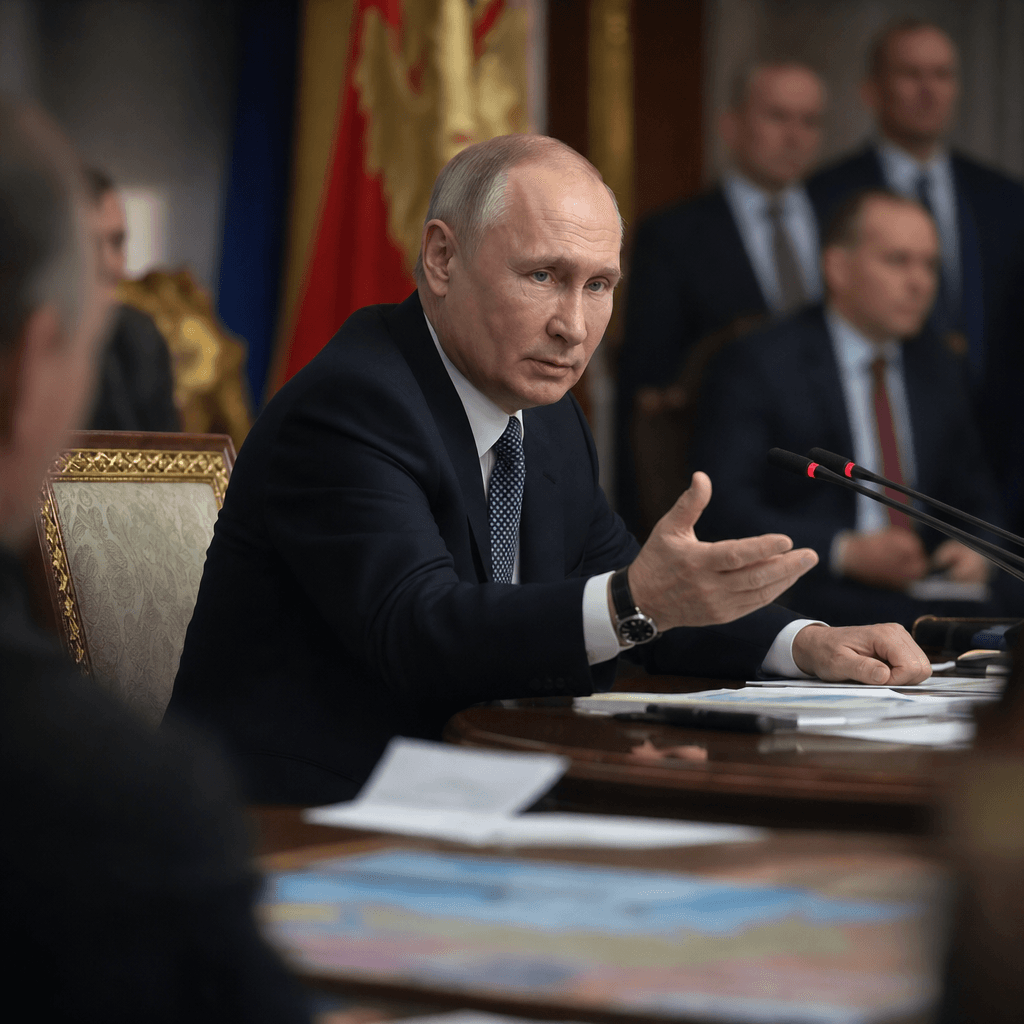
Putin Floats an Endgame, Without Yielding Ground
[Putin is signaling openness to talks to shape Trump’s diplomacy, but he is not backing away from Russia’s core demands or its battlefield leverage.]
Russian President Vladimir Putin said the war in Ukraine may be “coming to an end” after Russia’s Victory Day parade, while Moscow and Kyiv observed a short US-brokered ceasefire that both sides have already accused the other of violating, according to DW and
BBC News. The timing matters: Putin is talking peace at the same moment Donald Trump is pressing for a broader truce and threatening to keep the pressure on whoever blocks it,
France 24 reported.
Moscow is talking peace to Washington, not Kyiv
Putin’s language is calibrated for Trump. He told reporters the war is heading toward an end, but in the same breath said Russia had not yet heard a substantive Ukrainian response and remained ready only for talks that follow a “lasting peace” deal, not a ceasefire first, DW reported. That is the real power play: Moscow is trying to present itself as reasonable while keeping the burden on Kyiv to accept Russian terms.
Those terms have not shifted. Reuters-style diplomatic shorthand can obscure the point, but the core Russian position remains that any settlement must address what the Kremlin calls the “root causes” of the war — meaning Ukraine’s alignment with the West, territorial control, and future security guarantees. That is why the three-day truce around Victory Day, which Russia announced for 8–11 May, was never a serious breakthrough; it was a signal-management exercise, not a concession, BBC News said.
Trump is the pressure point
Trump is now the most important external actor because he is the only leader trying to fuse ceasefire talks, sanctions threats, and personal diplomacy into one package. He backed an unconditional 30-day ceasefire and warned of additional sanctions if it is not respected, France 24 reported. That matters because the White House is not just trying to stop the fighting; it is trying to establish itself as the broker of record.
Ukraine benefits from a longer ceasefire because time favors its ability to rearm, harden defenses, and preserve Western support. Russia benefits from short, symbolic truces because they let Putin look statesmanlike while his forces keep leverage on the ground. European capitals, meanwhile, are aligned with Kyiv’s push for an immediate 30-day ceasefire, but they do not control the format of the negotiations, BBC News reported.
For Global Politics, the deeper point is simple: Moscow is trying to convert battlefield pressure into diplomatic legitimacy before any ceasefire hardens into a negotiating framework.
What to watch next
The next decision point is whether Trump turns his ceasefire threat into sanctions or accepts another round of Russian procedural maneuvering. Watch for any move toward a 30-day truce, a prisoner exchange, or direct Trump-Putin contact; those are the levers that will decide whether this is a genuine opening or just another pause before the next escalation. If the ceasefire stays limited, the war’s political center of gravity will remain with Russia’s ability to delay, not end, the fight.
Discover more
International Relations
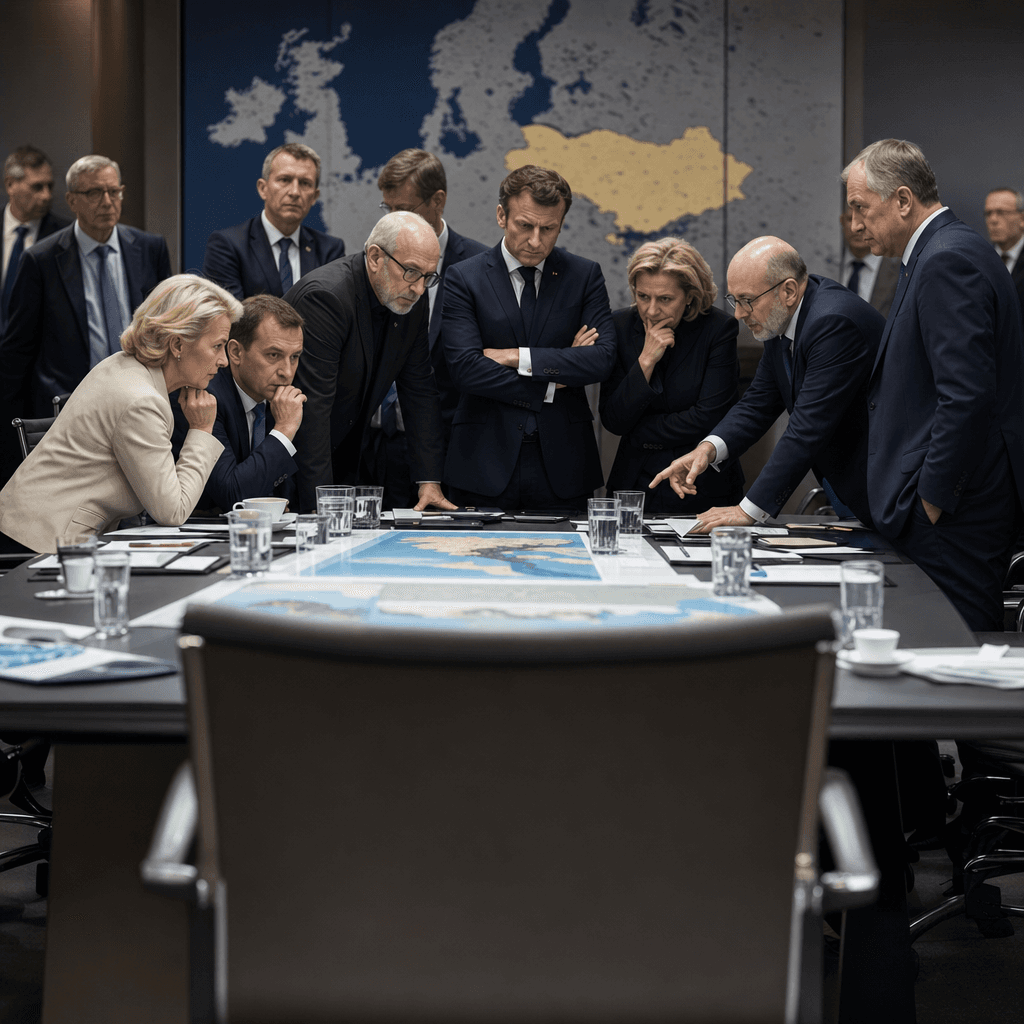
Merkel Rumour Exposes Europe’s Ukraine Power
A Merkel rumour lays bare Europe's anxiety over Ukraine, as the continent scrambles for a seat at the table with Putin before peace terms are set without it.
Conflict & Security
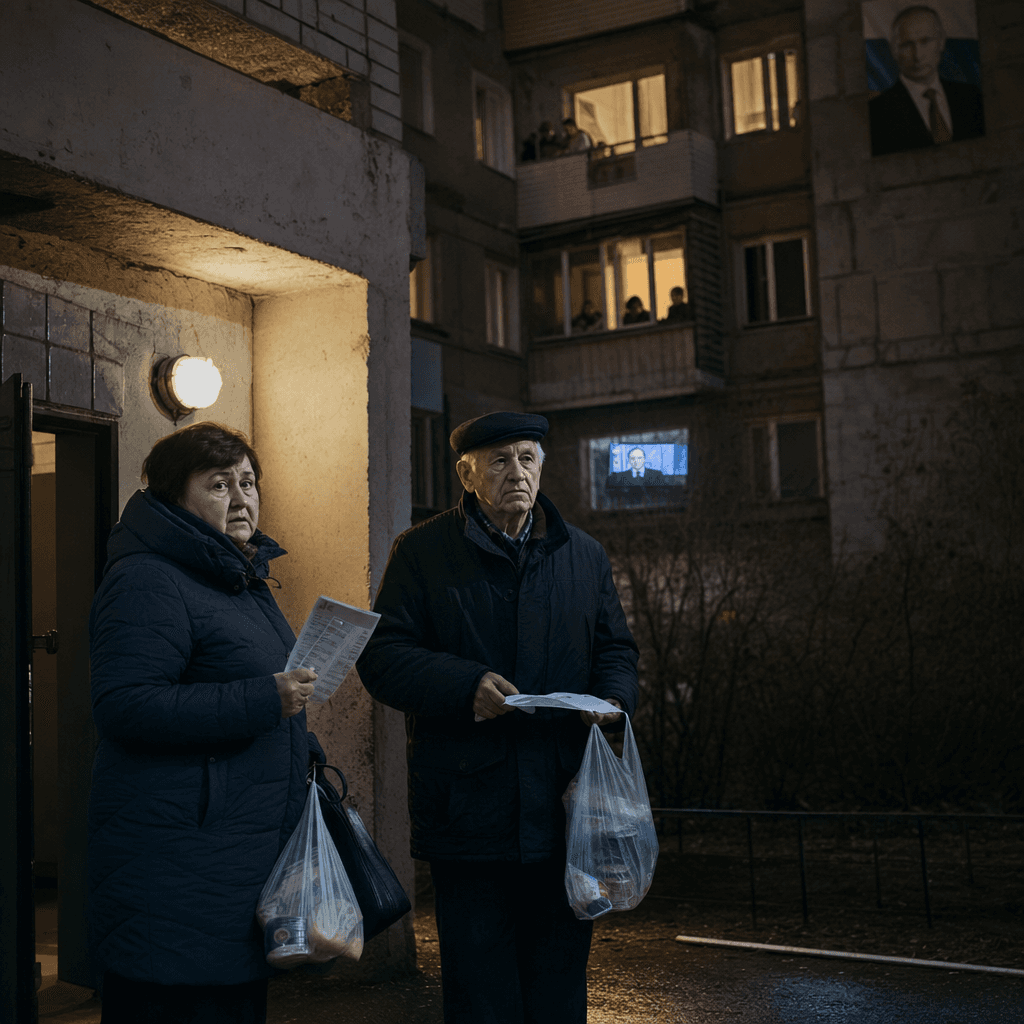
Rising Discontent in Russia Against Putin
As the war's costs reach Russian homes, public support for Putin is waning, with domestic discontent over Ukraine quietly growing against the Kremlin's grip.
Global Politics
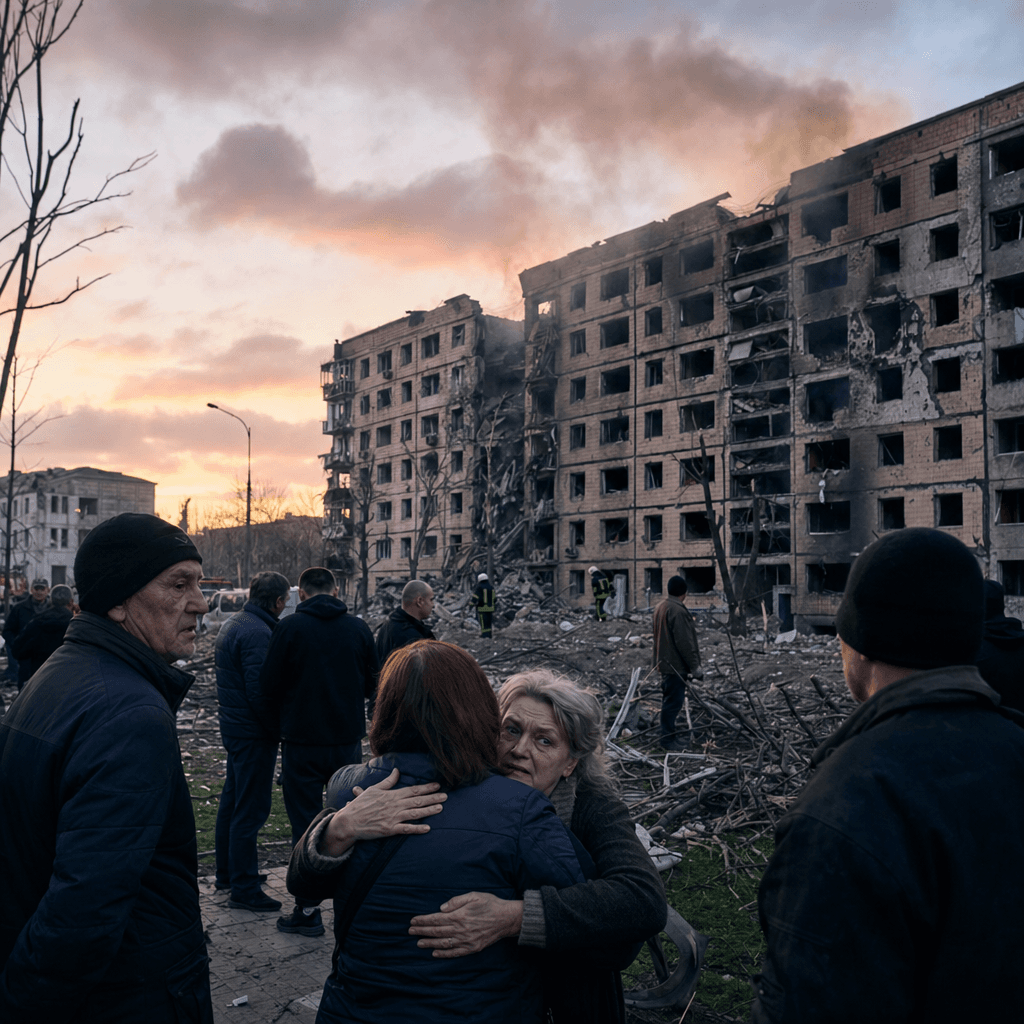
Luhansk Dormitory Strike Fuels Putin's War
Putin is seizing on a deadly Luhansk dormitory strike to justify fresh escalation in Ukraine, weaponizing the casualties as political cover for wider war.
Conflict & Security
Ukraine Stalemate Weakens Putin's Strategy
Russia's battlefield edge in Ukraine is eroding as a grinding stalemate and mounting economic pressure tighten the squeeze on Putin's war strategy and options.