Puducherry's 91.81% Third-Gender Voter Turn
Puducherry's third-gender turnout highlights electoral inclusion efforts.
Model Diplomat3 min readAsia
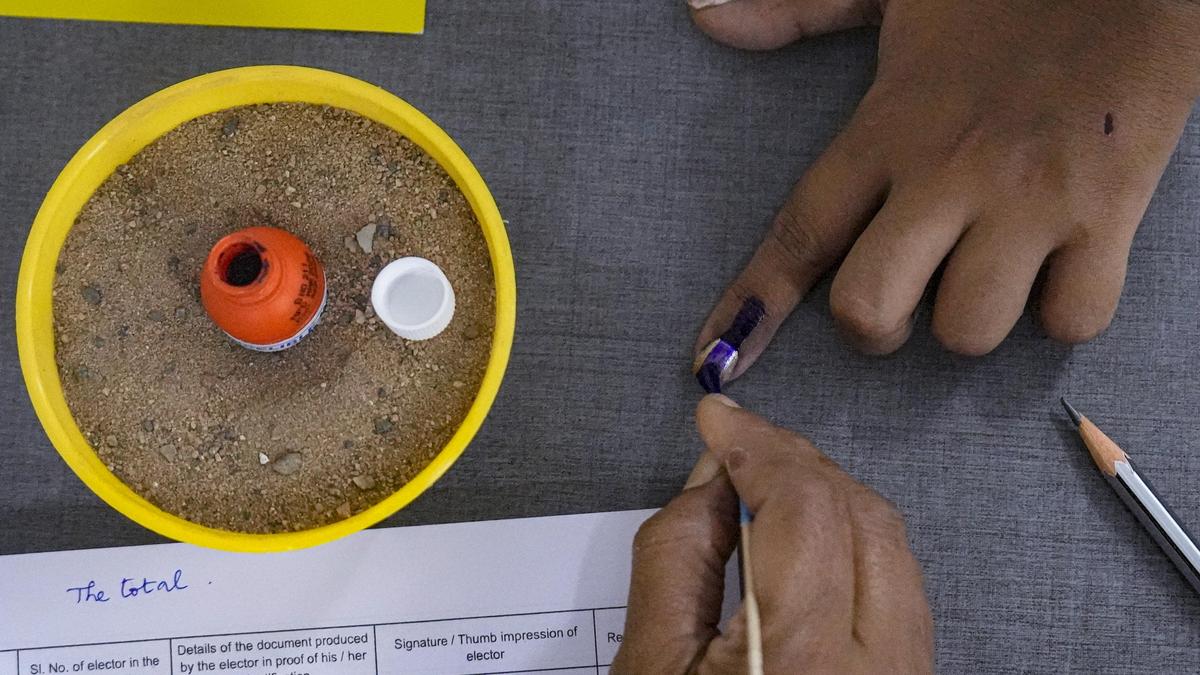
Puducherry's 91.81% Third-Gender Turnout Signals a Quiet Milestone
In a 2026 election cycle spanning five states, Puducherry's third-gender voter participation stands out — and reveals how targeted EC outreach is reshaping inclusion.
Puducherry's April 9 assembly election has produced one headline number that cuts through the broader multi-state noise: the Election Commission of India reports that third-gender electors in the Union Territory turned out at 91.81% — the highest of any voter category, well above the territory's overall participation rate. The figure lands on the final day of a staggered election cycle covering Tamil Nadu, West Bengal, Kerala, Assam, and Puducherry, with counting set for May 4.
Why This Number Matters
The 91.81% figure doesn't emerge by accident. Since late 2024, the ECI pushed district electoral officers in Puducherry and Tamil Nadu to establish dedicated helpdesks for third-gender electors during the Special Intensive Revision of rolls, explicitly targeting enrollment gaps in a community historically undercounted. Tamil Nadu alone had enrolled 9,464 third-gender electors by that revision cycle, per The Hindu.
Puducherry's model went further operationally. The UT deployed 30 all-women polling stations, 3 PwD-managed stations, and implemented venue-level accessibility reforms — ramps, lighting, dedicated signage — that reduced the structural friction that has historically suppressed third-gender turnout. The result: when a numerically small but symbolically significant electorate was given direct pathways to participate, they used them at an extraordinary rate.
The community's size in Puducherry remains modest — the UT's total electorate is approximately 9.48 lakh voters, per ECI pre-poll data — so the 91.81% figure reflects concentrated outreach yield rather than mass volume. But that is precisely the point: it demonstrates a replicable model.
The Political and Institutional Stakes
Who benefits: The Election Commission under Chief Election Commissioner gains a demonstrable data point to defend its inclusion agenda against critics who argue administrative outreach yields no measurable dividend. This figure is now a citation in every future EC briefing on marginalized voter participation.
Who's watching: The DMK-led alliance in Tamil Nadu — where polling closed April 23 and results arrive May 4 — has built its coalition partly around social justice constituencies that include LGBTQ+ visibility. Puducherry's third-gender turnout number is soft political infrastructure for that broader framing, even if the UT's 30-seat assembly is a minor electoral prize compared to Tamil Nadu's 234 seats.
The contest itself: In Puducherry, the AINRC-BJP alliance, which received a PM Modi roadshow in early April, faces the DMK-Congress combine in what historical trends mark as a fluid race. 117 of 291 candidates are independents — a reliable signal of fragmented local loyalties that make alliance arithmetic unreliable.
The broader five-state cycle, tracked across India's political landscape, has its center of gravity in West Bengal (Phase 2 voting April 29) and Tamil Nadu, where TVK — actor-politician Vijay's new party — debuts as a potential kingmaker.
What to Watch
May 4 is the decisive date. Tamil Nadu's 234 seats, West Bengal's second phase, and Puducherry's 30 seats all resolve simultaneously. Watch whether the DMK retains Tamil Nadu against the AIADMK-led coalition, whether TMC's Mamata Banerjee holds Bengal, and whether Puducherry's AINRC-BJP alliance converts Modi's roadshow momentum into seats. The third-gender turnout story will be cited regardless of who wins — but a DMK victory in Tamil Nadu would amplify it most loudly.
Discover more
India
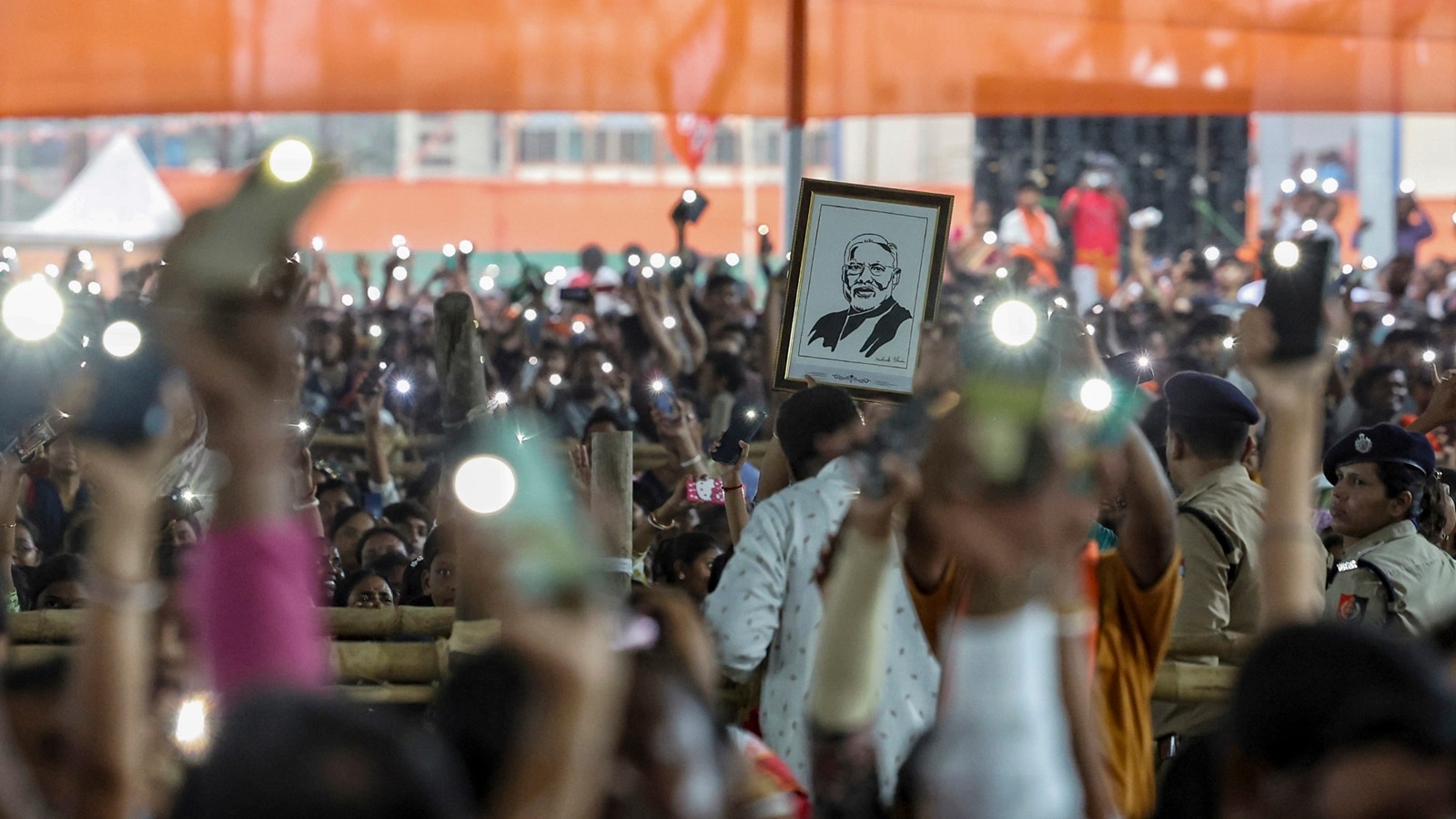
Modi's Women’s Convention in Varanasi
Modi's Varanasi rally frames women's reservation as a national mission, targeting the 2027 Uttar Pradesh elections with a strategic narrative.
India
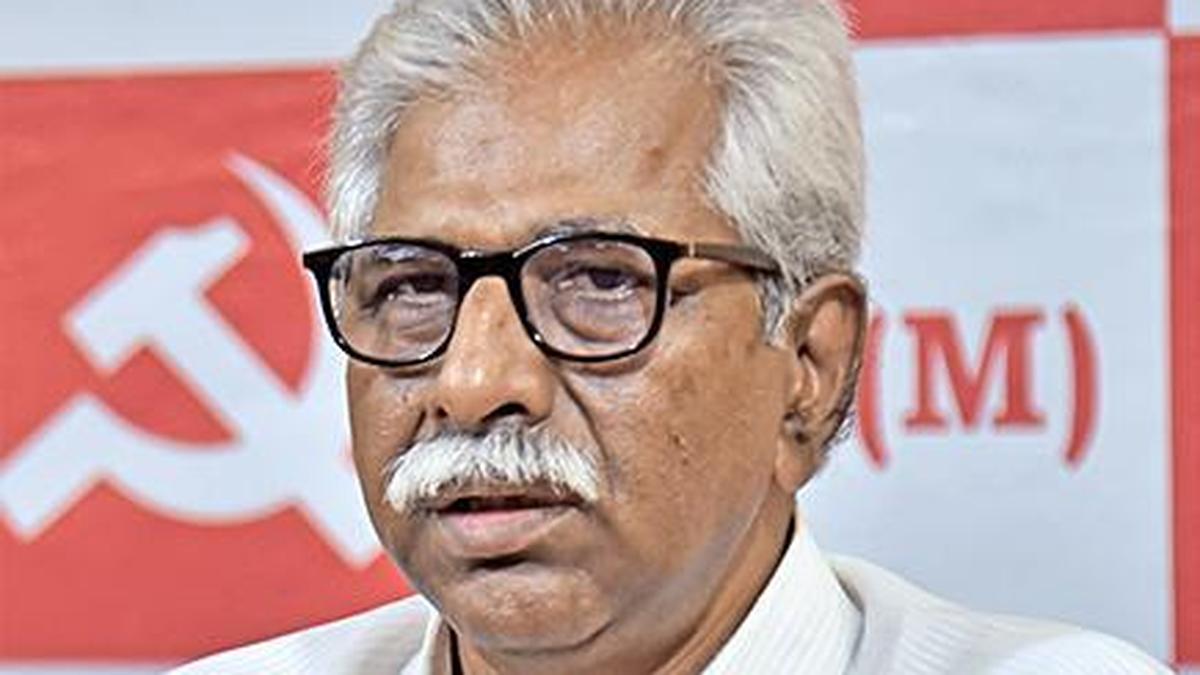
CPI(M) Calls to Decouple Quota from Delimita
CPI(M) advocates for a 33% women's quota in Lok Sabha by 2029, removing the need for delimitation and census linkage.
India
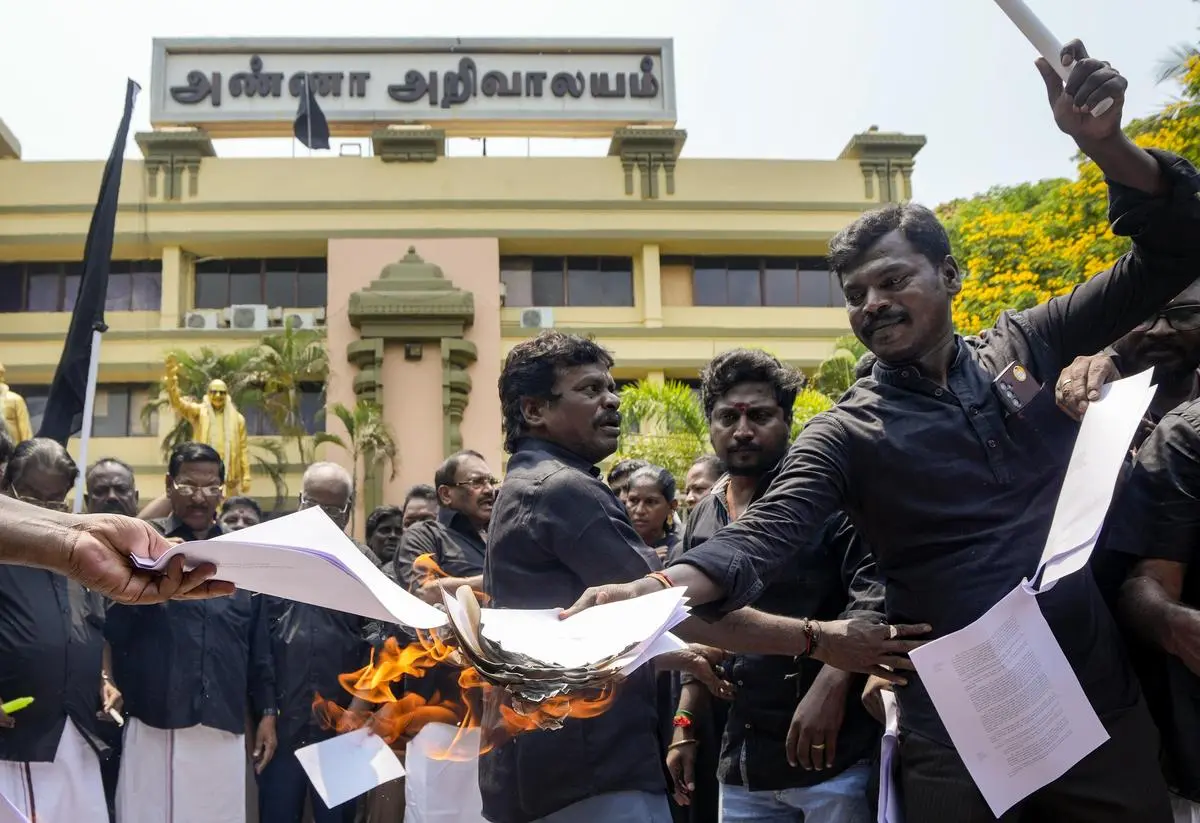
Women’s Reservation Bill 2026
The Constitution (131st Amendment) Bill, 2026 was defeated in Lok Sabha, revealing deeper political conflicts over women's reservation and delimitation.

Conflict & Security
Drone Warfare Killing Aid Workers at Unprec
Over 1,000 humanitarian workers killed in three years as cheap armed drones collapse legal protections. Gaza, Sudan, Ukraine, and DRC see deliberate targeting of aid convoys and hospitals with zero prosecutions.