Prince William’s FTD Praise Extends the Adams Brothers’ Reach
Royal backing for Jordan and Cian Adams adds visibility to their dementia fundraiser and shows how monarchy still converts private grief into public attention.
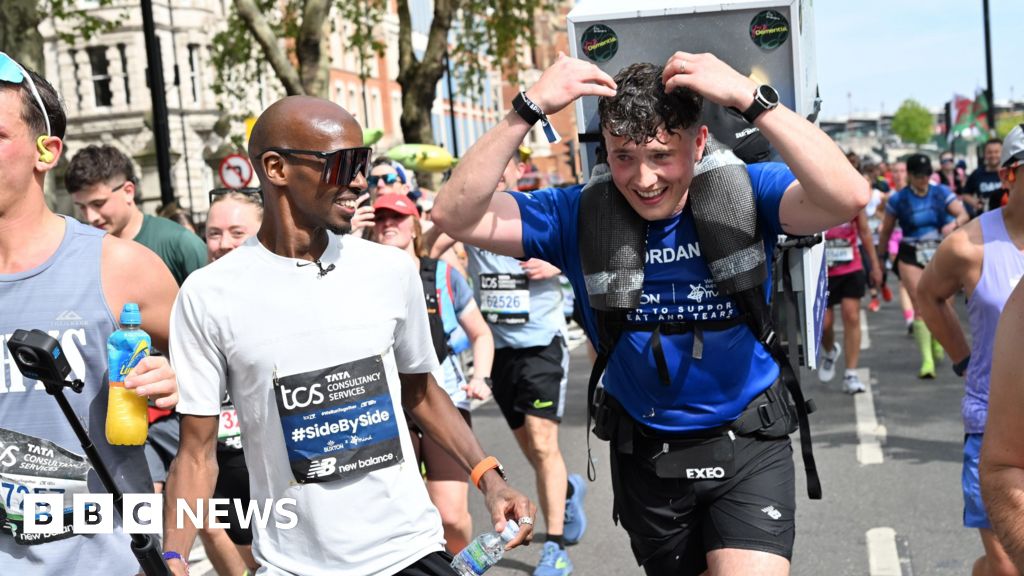
Prince William has given Jordan and Cian Adams a prestige boost that matters because they are already doing the hard part: converting a deeply personal tragedy into sustained public pressure. In a letter read to the brothers on day 14 of their all-Ireland marathon challenge, the Prince of Wales praised their “remarkable strength” and said they were helping change understanding of frontotemporal dementia, the  BBC reported. The royal note lands while the pair are running a marathon a day across 32 counties after Jordan completed the London Marathon carrying a 25kg fridge on his back, a stunt that helped push their fundraising past £1m, according to the BBC and
  RTÉ.
RTÉ.
Why the royal message matters
This is not just a congratulatory letter. It is a force multiplier. The Adams brothers already have a compelling story: their mother Geraldine died of FTD in 2016, they have inherited the gene linked to the disease, and they say they have lost 12 Irish relatives to the same condition, including a grandmother and aunt, according to the BBC and RTÉ. William’s intervention turns that story from a local fundraiser into a broader public-health message.
That matters because FTD sits in the shadow of better-known dementia causes. The brothers are not just raising money for the Alzheimer Society of Ireland and their own FTD Brothers Foundation; they are trying to move a neglected condition onto the agenda, and the prince’s endorsement does exactly that. In  Global Politics, this is a familiar pattern: institutions with attention convert it into leverage for issues that otherwise struggle to break through.
Who benefits — and who is still behind
The immediate winner is the Adams family’s campaign. Royal recognition makes it easier to attract donations, media coverage, and institutional partners, especially as the brothers continue through counties with personal family ties, such as Leitrim and Longford, RTÉ reported. It also gives a moral frame to the challenge: this is not endurance for spectacle, but endurance as advocacy.
The broader beneficiary is dementia campaigning. Cian Adams made the point bluntly in the BBC coverage: people in positions of influence matter because they can “put dementia on the map.” That is the real prize here. Attention is a scarce asset, and the monarchy still has it.
The loser, by implication, is the status quo in dementia research and awareness. When a family has to stage a 32-marathon campaign — plus a London Marathon run with a fridge — to get the disease noticed, the funding and policy gap is obvious. Royal praise does not fix that gap, but it helps widen the audience for the argument that FTD deserves more than sympathetic headlines.
What to watch next
The next marker is the finish in Dublin on May 28, when the brothers complete the challenge and convert this burst of attention into its next test: whether the campaign can hold public interest after the royal letter fades, RTÉ reported. If the money keeps rising and the story keeps traveling, William’s note will have done what such gestures are meant to do: extend the life of an issue beyond a single news cycle.