Pakistan Mediates US-Iran Tensions Amid Strik
Tehran leverages Islamabad to navigate US tensions.
Model Diplomat3 min readMiddle East
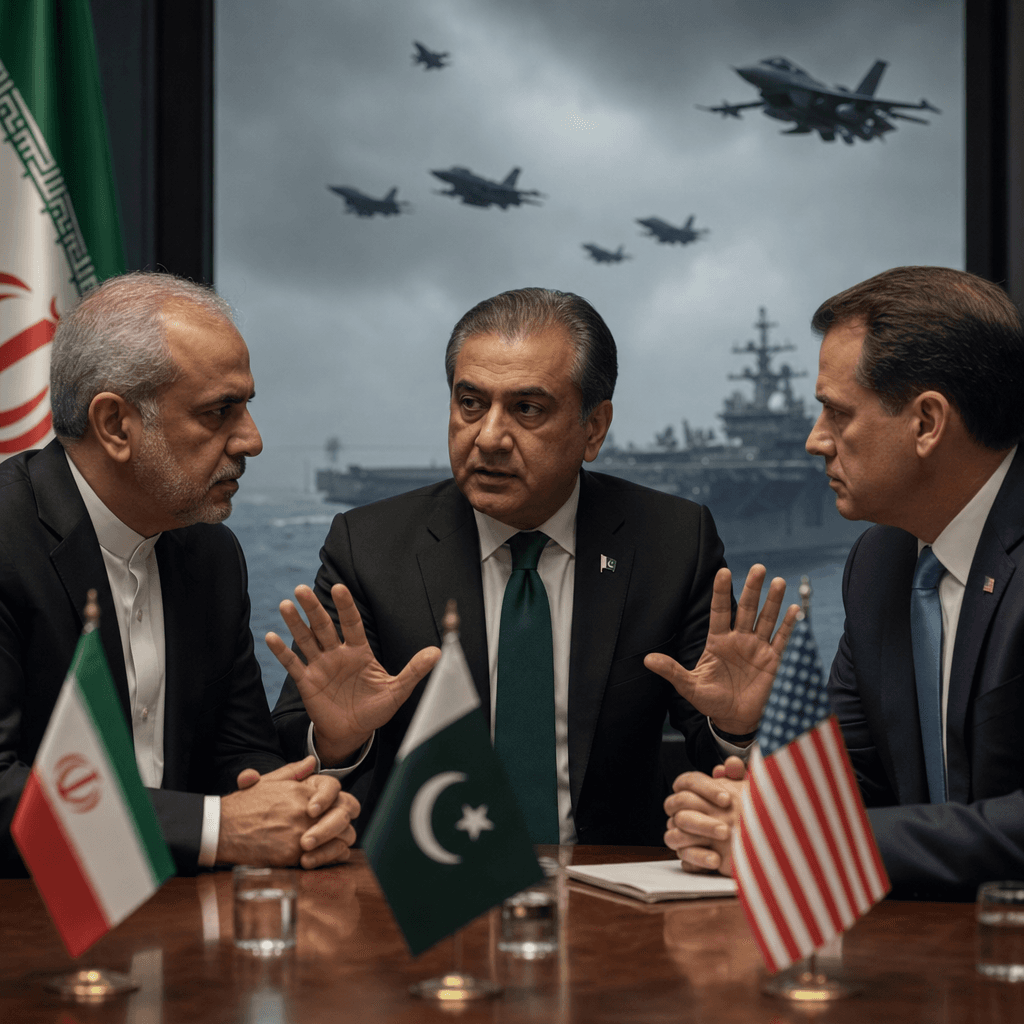
Pakistan Becomes Tehran’s Pressure Valve on US Strikes
As Washington weighs renewed strikes, Islamabad is the only channel both sides will still use — and Iran is exploiting that to buy time and shift terms.
Iran’s best remaining leverage is not military, but mediation. Tehran hosted Pakistan’s army chief, Asim Munir, in a fresh push to narrow gaps with Washington after US officials signaled they were still weighing military options if talks fail, according to The Guardian and
Al Jazeera. Iran’s parliamentary speaker, Mohammad Bagher Qalibaf, told Munir Tehran would not compromise on its “national rights,” while Iranian state media said the two sides discussed “efforts and diplomatic initiatives to prevent escalation,” the clearest sign yet that Islamabad is functioning as the conduit for messages between Tehran and Washington.
The Guardian,
Al Jazeera
Pakistan has become the indispensable intermediary
This is not a generic diplomatic visit. It is a pressure-management exercise. Pakistan hosted the only direct US-Iran talks in April and has since kept the channel alive as the two sides exchanged proposals but failed to lock in a durable ceasefire, according to Al Jazeera and
The Guardian. That gives Islamabad unusual relevance: it can speak to the US, Iran and Gulf capitals without formally owning the negotiation. For Tehran, that matters because Pakistan lets it resist US demands while keeping talks alive. For Washington, it offers a way to test Iranian flexibility without committing to direct concessions.
The leverage is asymmetrical. Iran still controls escalation through the Strait of Hormuz question, the regional war frame and the threat that any failed diplomacy could trigger renewed fighting. But it is the US that can actually strike, and the Trump administration has been explicit that talks are now on the edge between a deal and renewed attacks, as both The Guardian and
BBC News reported. That gives Munir’s shuttle diplomacy real weight: he is carrying messages because both sides believe the alternative is worse.
Iran is trying to widen the bargaining table
Tehran’s tactic is to keep the discussion broader than uranium enrichment alone. Reports cited by Al Jazeera say Iran’s latest proposal folds in a ceasefire, sanctions relief, frozen assets and a role for Iran in policing Hormuz. That is a better negotiating position than discussing the nuclear file in isolation, because it turns the talks into a regional security package instead of a technical disarmament question.
The US benefits if Pakistan can extract even a partial formula: it would preserve deterrence without another strike cycle and avoid the oil shock that any Hormuz disruption would trigger. Iran benefits if it can trade symbolic concessions for a pause in military pressure. The loser, for now, is any camp betting that maximal pressure will force a clean surrender; the evidence suggests the opposite.
What to watch next
The next test is whether Munir’s meetings produce a second round of direct or indirect US-Iran contact, and whether Washington publicly endorses the Pakistani track or reverts to strike signaling. Watch for two markers: a statement from Marco Rubio or Donald Trump on whether talks have “made progress,” and any follow-up from Tehran or Islamabad on the next mediation stop. If Pakistan cannot deliver movement by early June, its role could slide from indispensable channel to courtesy messenger — a shift with consequences for Conflict and for
United States policy.
Discover more

International Relations
Pakistan's Key Role in US-Israel-Iran Meddle
Pakistan is seeking to mediate the US-Israel-Iran conflict, balancing high-stakes diplomacy against severe economic pressures and steep regional challenges.

Conflict & Security
Drone Warfare Killing Aid Workers at Unprec
Over 1,000 humanitarian workers killed in three years as cheap armed drones collapse legal protections. Gaza, Sudan, Ukraine, and DRC see deliberate targeting of aid convoys and hospitals with zero prosecutions.

Global
World Normalises Taliban as Afghan Women Eras
UN data shows Afghan women erased from public life as Russia recognises the Taliban, EU hosts officials in Brussels, and ICC warrants for gender persecution go unenforced.
Conflict & Security
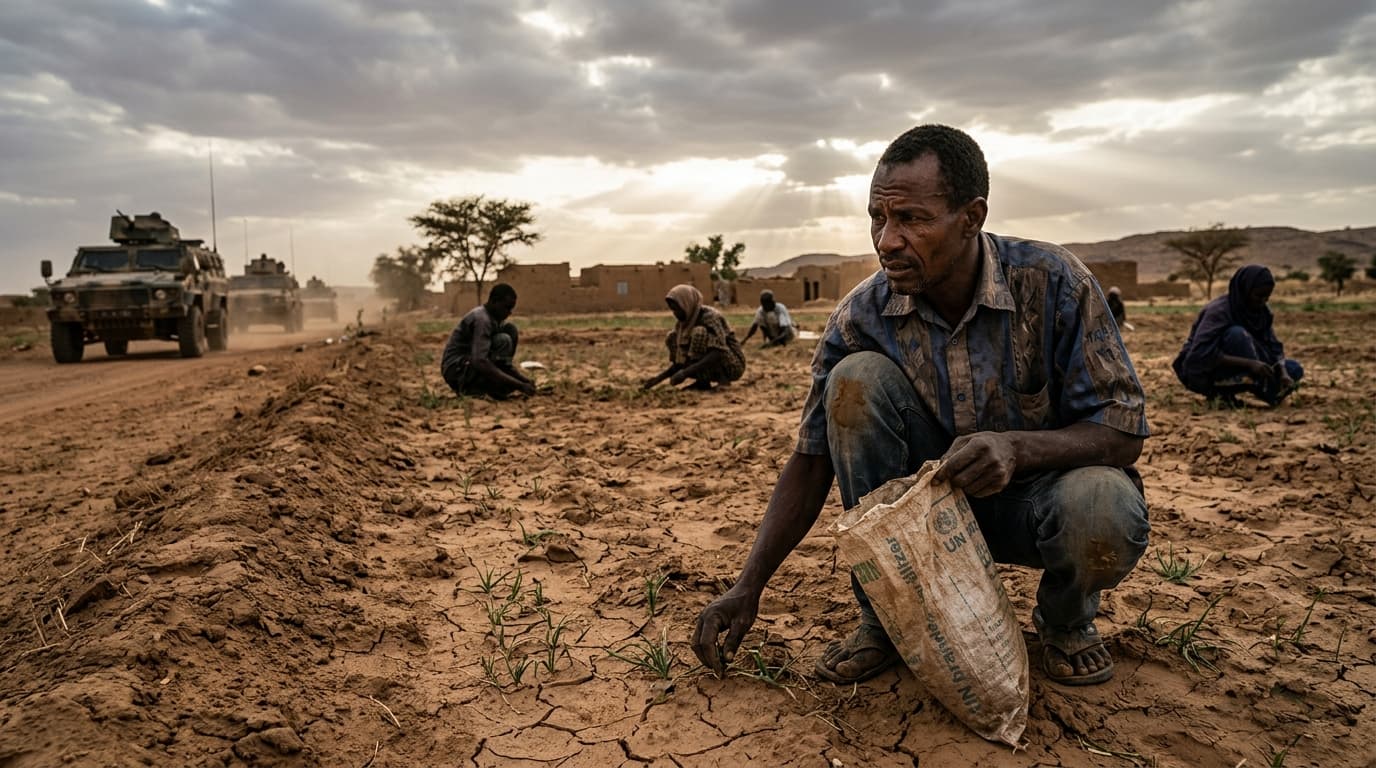
West Africa Food Crisis: Three Shocks in 2026
Conflict, climate extremes, and the Strait of Hormuz closure drive a severe food crisis in West and Central Africa, with fertilizer prices surging 80% and millions displaced.