Pakistan's Role in Iran-U.S. Mediation
Asim Munir's Tehran visit shows Pakistan's diplomatic ambitions.
Model Diplomat3 min readMiddle East
Pakistan's Iran Mediation Play Raises the Regional Stakes
Asim Munir's Tehran visit shows Pakistan trying to turn shuttle diplomacy into influence — but the US still controls the pressure.
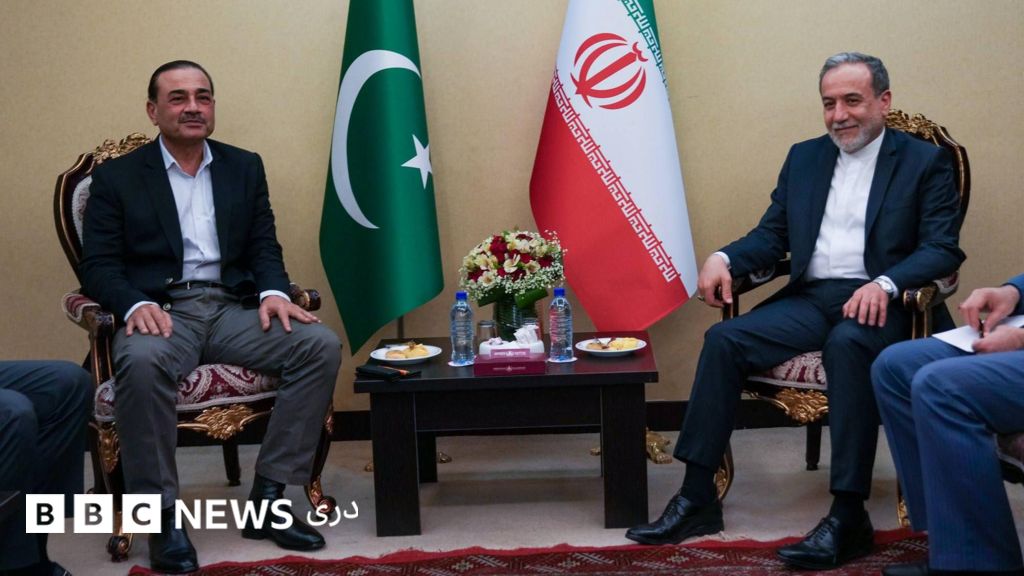
Pakistan is trying to convert access into leverage. Field Marshal Asim Munir met Iran’s Foreign Minister Abbas Araghchi in Tehran on Friday night, with both sides framing the talks around de-escalation and the wider Iran-U.S. channel, according to the BBC News دری and
Al Jazeera. The message is straightforward: Islamabad wants to be the indispensable intermediary between a sanctioned regional power and a U.S. administration still threatening force.
Why Pakistan matters now
This is not neutral mediation. Pakistan is using a narrow diplomatic opening to raise its value to both Tehran and Washington, and it has reason to do so. Al Jazeera reported that Islamabad has already helped facilitate earlier Iran-U.S. contacts, while Pakistani Interior Minister Mohsin Naqvi was also in Tehran as part of the same push, alongside a Qatari delegation working a parallel track (Al Jazeera). For Pakistan, that buys relevance in a crisis that affects energy markets, border security, and its own relationship with Washington — the kind of issue set that sits squarely in
Conflict and
International.
Iran is playing the same game from a weaker position. Tehran wants to keep talks alive without signaling weakness on the core issues that matter to it: sanctions relief, control over the Strait of Hormuz, and limits on its nuclear program. Iranian officials told Al Jazeera that the gaps with Washington remain “deep and significant,” even as Foreign Ministry spokesman Esmaeil Baghaei said the process had reached a “turning point” but not a deal (Al Jazeera). That is classic Iranian bargaining: keep the channel open, deny momentum to the other side, and preserve room to claim the terms were never accepted under duress.
Where the leverage really sits
Washington still holds the hard edge. U.S. Secretary of State Marco Rubio said there had been “slight progress,” but he also made clear that the negotiations were ongoing and that he did not want to overstate movement (Al Jazeera). More importantly, President Donald Trump has kept the threat of renewed strikes in play, telling reporters the talks sit on the “borderline” between a deal and a return to attacks (
Al Jazeera). That gives the U.S. the final say on whether shuttle diplomacy becomes a settlement or just a pause.
The practical question is whether Pakistan can deliver more than atmospherics. Al Jazeera reported that the sticking points are still Tehran’s enriched uranium stockpile and U.S. objections to Iranian control over the Strait of Hormuz (Al Jazeera). Those are not side issues; they are the core of the bargain. If Pakistan cannot narrow them, its role will look less like mediation and more like carrying messages between sides that still do not trust each other.
What to watch next
The next decision point is whether Munir’s Tehran trip produces a second round of direct engagement, or just another circuit of shuttle diplomacy. If it does not, Trump’s strike threat stays live and Pakistan’s mediation claim weakens fast. If it does, Islamabad gains real diplomatic weight — not because it solved the dispute, but because it proved it can still move both capitals when others cannot.
Discover more

International Relations
Pakistan's Key Role in US-Israel-Iran Meddle
Pakistan is seeking to mediate the US-Israel-Iran conflict, balancing high-stakes diplomacy against severe economic pressures and steep regional challenges.

Conflict & Security
Drone Warfare Killing Aid Workers at Unprec
Over 1,000 humanitarian workers killed in three years as cheap armed drones collapse legal protections. Gaza, Sudan, Ukraine, and DRC see deliberate targeting of aid convoys and hospitals with zero prosecutions.

Global
World Normalises Taliban as Afghan Women Eras
UN data shows Afghan women erased from public life as Russia recognises the Taliban, EU hosts officials in Brussels, and ICC warrants for gender persecution go unenforced.
Conflict & Security
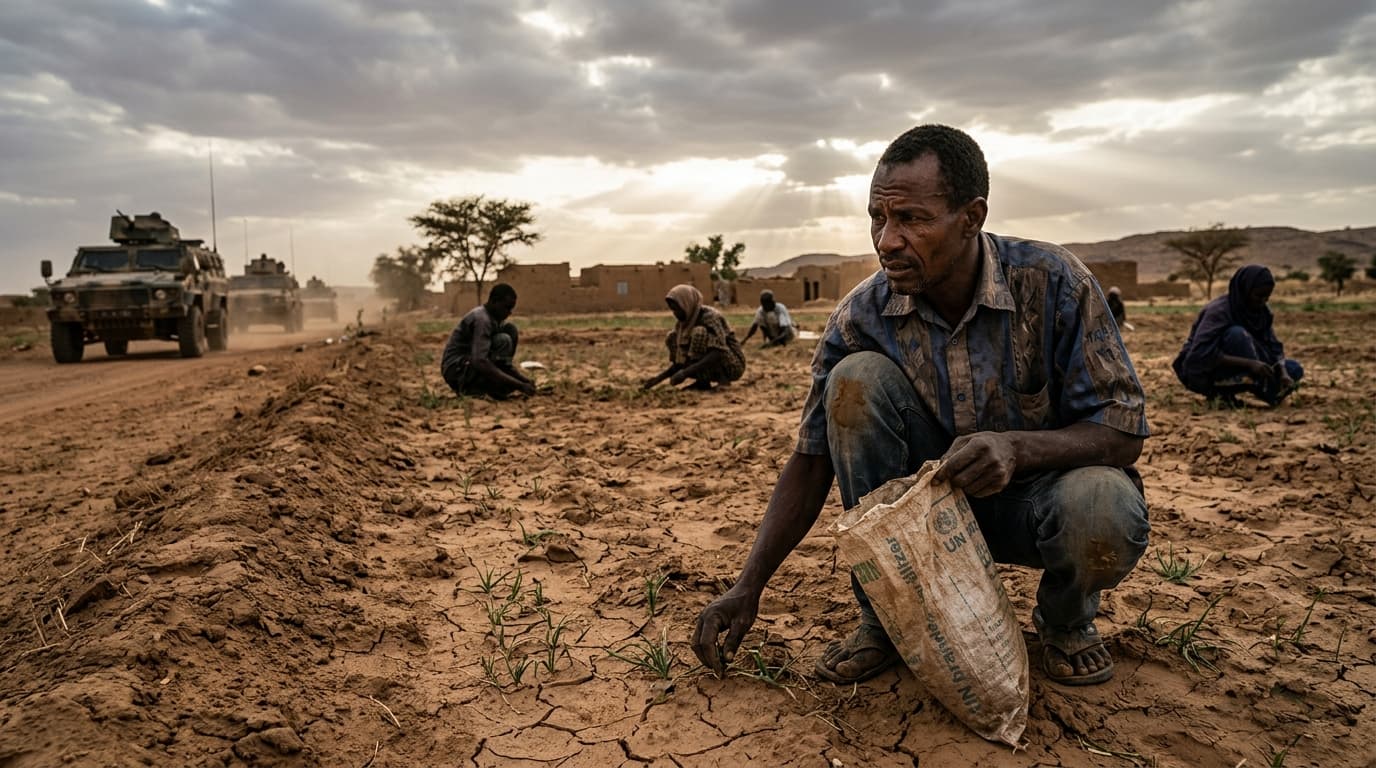
West Africa Food Crisis: Three Shocks in 2026
Conflict, climate extremes, and the Strait of Hormuz closure drive a severe food crisis in West and Central Africa, with fertilizer prices surging 80% and millions displaced.