Pakistan’s High-Level Delegation to Iran Signals Push for US-Iran Talks Ahead of Truce Deadline
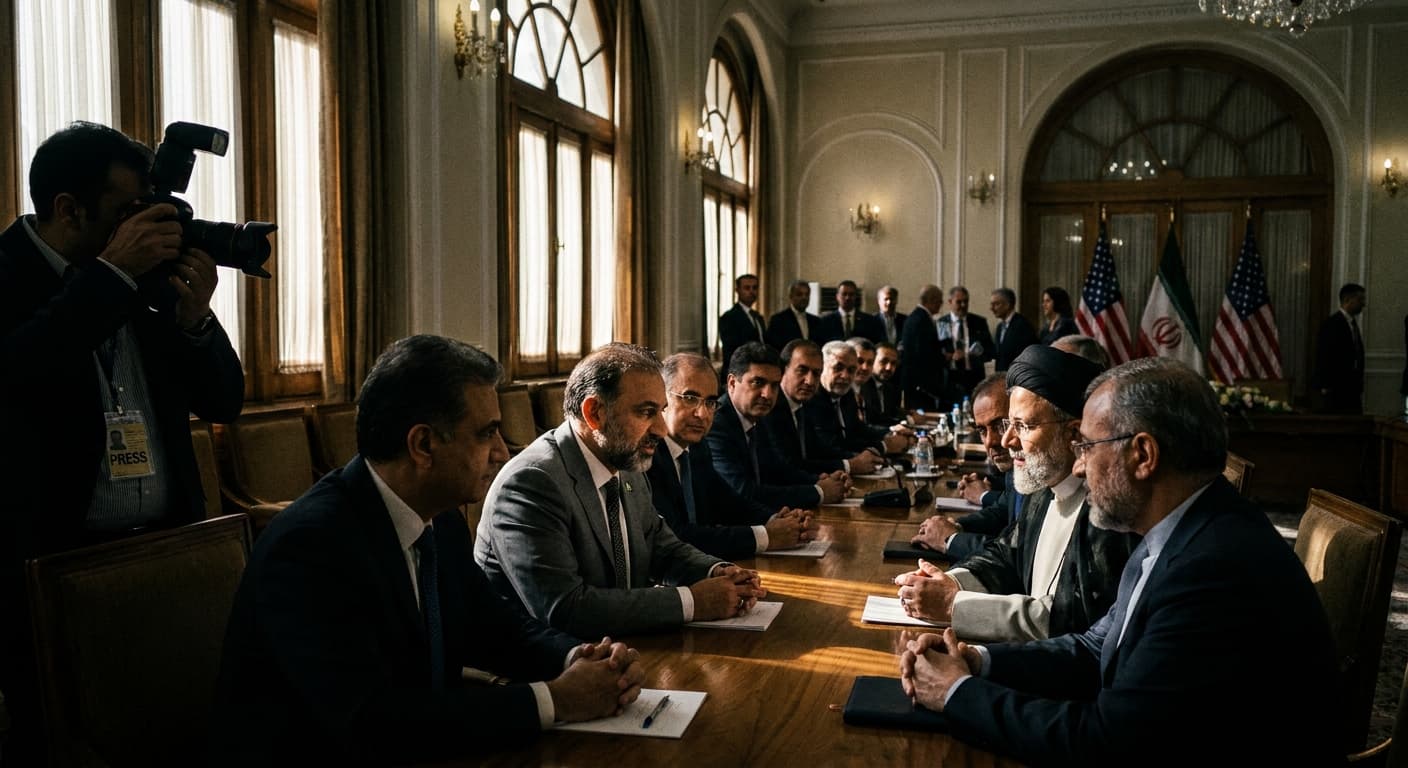
Pakistan has sent a senior delegation to Iran this April 2026, aiming to arrange renewed US-Iran negotiations just before a fragile ceasefire expires.
Pakistan’s strategic diplomatic role as a regional intermediary is now front and center amid escalating US-Iran hostilities and a looming truce deadline. The visit by the Pakistani delegation, including Army Chief Asim Munir, underscores Islamabad’s active mediation efforts to bring Tehran and Washington back to the negotiating table. This move occurs as the current truce is set to expire soon, intensifying urgency for fresh dialogue.
Why Pakistan’s Mediation Matters
Pakistan is uniquely positioned as a trusted interlocutor by both Iran and the US. Both sides have expressed confidence in Islamabad’s neutrality and mediation capabilities—key in a conflict landscape fraught with mutual distrust. Pakistan’s efforts are complemented by a regional coalition involving Egypt, Turkey, and Saudi Arabia, which recently proposed a five-point framework emphasizing ceasefire, dialogue, and reopening critical maritime routes through the Strait of Hormuz. This corridor is vital for global energy markets and a major flashpoint in the conflict.
Iran has shown signs of cautious responsiveness by allowing about 20 Pakistani-flagged ships safe passage through the Hormuz Strait, a rare gesture amid ongoing conflict. However, Tehran’s negotiating stance remains firm, driven by the Islamic Revolutionary Guard Corps’ growing influence demanding broad concessions, including formal control over Hormuz and guarantees against future US military actions. Iran also flatly rejects restrictions on its missile program, complicating potential deal terms.
The Broader Geopolitical Context
The US-Iran conflict is intertwined with wider regional dynamics and has drawn in Israel, which remains skeptical about the feasibility of a US-Iran deal, especially on missile and nuclear issues. High-level backchannel discussions have included US special envoy Steve Witkoff, Iran’s Foreign Minister Abbas Araghchi, and Pakistan’s Army Chief, highlighting the delicate diplomatic dance underway. US domestic politics also play a role, with figures like JD Vance gaining prominence as negotiators, backed by Pakistan-led mediation frameworks.
Pakistan’s involvement signals Islamabad’s intent not only to stabilize its neighbor but also to prevent further regional destabilization that could spill into Pakistan itself. It seeks to balance relations with both global and regional powers while trying to defuse a conflict that threatens maritime safety and energy prices globally.
What to Watch Next
- Truce Deadline: Whether this Pakistani-led effort leads to a fresh round of formal negotiations before the ceasefire expires.
- Iran’s Concessions: Track Iran’s flexibility on key issues—Hormuz control, missile programs, and security guarantees.
- US Political Will: How the Biden administration or any incoming administration responds to Pakistan’s mediation, including their openness to backchannel figures like JD Vance.
- Regional Coalition: The efficacy of the joint regional initiative involving Turkey, Saudi Arabia, and Egypt in shaping both the truce and longer-term peace discussions.
- Maritime Security: The status of maritime traffic through the Strait of Hormuz and possible escalation risks linked to energy infrastructure attacks.
Pakistan’s mediation role is proving pivotal in one of the most volatile standoffs in recent Middle East history. The next two weeks will be critical to assess whether diplomatic momentum can be sustained or if hostilities will resume at greater scale, impacting both regional stability and global energy markets.
For deeper insights on regional security and international mediation, see  Global Politics and Pakistan country profile.
Sources: