Pakistan's Diplomatic Gains vs. Economic Woes
Pakistan's peace efforts may not solve its economic crisis.
Model Diplomat3 min readAsia

Pakistan's Peace Play: Diplomatic Windfall Won't Fix Its Broken Economy
Pakistan mediated a US-Iran deal and earned global praise, but structural economic rot means goodwill won't transact into investment.
Pakistan Today reported on June 24 that Pakistan's role in brokering the US-Iran peace deal has drawn significant diplomatic interest from Western governments, but analysts warn the boost will not address its deeper economic crisis. At the June 21 Lake Lucerne summit, Prime Minister Shehbaz Sharif, alongside Iranian Foreign Minister Abbas Araqchi and VP JD Vance, helped finalize the Islamabad Memorandum of Understanding—positioning Pakistan as a broker of regional stability at a moment when it desperately needs one.
The prize is real but limited. Britain's Middle East minister pledged to expand trade, other Western envoys signaled economic engagement, and both Iran and the U.S. publicly praised Islamabad. Pakistani officials are now assessing concrete gains: formal energy trade with Iran (currently informal), potential reconstruction contracts, and improved investor confidence tied to regional calm. Profit by Pakistan Today reported that investment minister Qaiser Ahmed Sheikh and Iran's ambassador reaffirmed a target of $10 billion in bilateral trade through special economic zones along their 900-km border.
But here is the catch: Pakistan's economic fundamentals are so corroded that diplomatic credit cannot fix them alone. Brazing News cited Pramit Pal Chaudhuri of Eurasia Group: "Pakistan's number one problem is that the economy is in terrible shape. The country is on its 24th loan from the IMF due to perpetual internal problems and is not seen as a favorable investment destination." For fiscal year 2027, Fitch Ratings projects Pakistan's interest-to-revenue ratio will hit 39.1%—nearly three times the sustainable 12% threshold. Even before the Iran conflict, Shell, Procter & Gamble, and Eli Lilly were retreating.
The Iran conflict inflicted damage on top of rot. Pakistan imports 85% of its fuel; energy shocks from regional turbulence drove inflation to 11.7% in May, forcing the government to impose austerity. The austerity lifted after the peace deal was signed, but that is cosmetic relief. Pakistan Today quoted former finance minister Miftah Ismail: any sanctions relief on Iran could unlock trade, "but the diplomatic boost would not change the domestic pressures that continue to weigh on Pakistan's economy, including elevated costs, weak exports and external debt repayments."
Why the structural failure persists is where power reveals itself. The Pakistani military accounts for roughly one-fifth of economic output—cement, cereals, textiles—yet contributes zero to tax revenue. Large landowners similarly dodge taxation. Prime Minister Sharif, who represents the landowning class, depends on military backing to stay in office. Neither has incentive to broaden the tax base or enforce productivity discipline. The IMF demands exactly that. Goodwill from Washington or Tehran, absent domestic reform, becomes air.
The critical test arrives in months. Britain plans a trade delegation; Western diplomats have signaled interest. The Trump administration values transactional relationships, and Pakistan has leverage only if sanctions relief flows and trade volumes rise. But as Chaudhuri noted, Trump's transactional instinct already signals skepticism: "Trump has increasingly shown how he values transactional relationships, and Pakistan just doesn't have anything to offer." Formal energy trade requires not just political agreement but customs clearing, financing, and infrastructure—none of which exist yet. Asim Ijaz Khawaja of Harvard's Center for International Development warned Pakistan against chasing short-term cash without building productivity.
Watch whether Iran's frozen funds—released as part of the deal—flow into cross-border commerce with Pakistan, and whether Britain's promised trade visit converts to banking and tariff commitments. The real signal will arrive in Q4 when Western investment figures for Pakistan are published. If they rise, diplomatic credit is real. If they stagnate, the peace dividend was never more than optics.
Discover more

International Relations
Pakistan's Key Role in US-Israel-Iran Meddle
Pakistan is seeking to mediate the US-Israel-Iran conflict, balancing high-stakes diplomacy against severe economic pressures and steep regional challenges.
US Politics
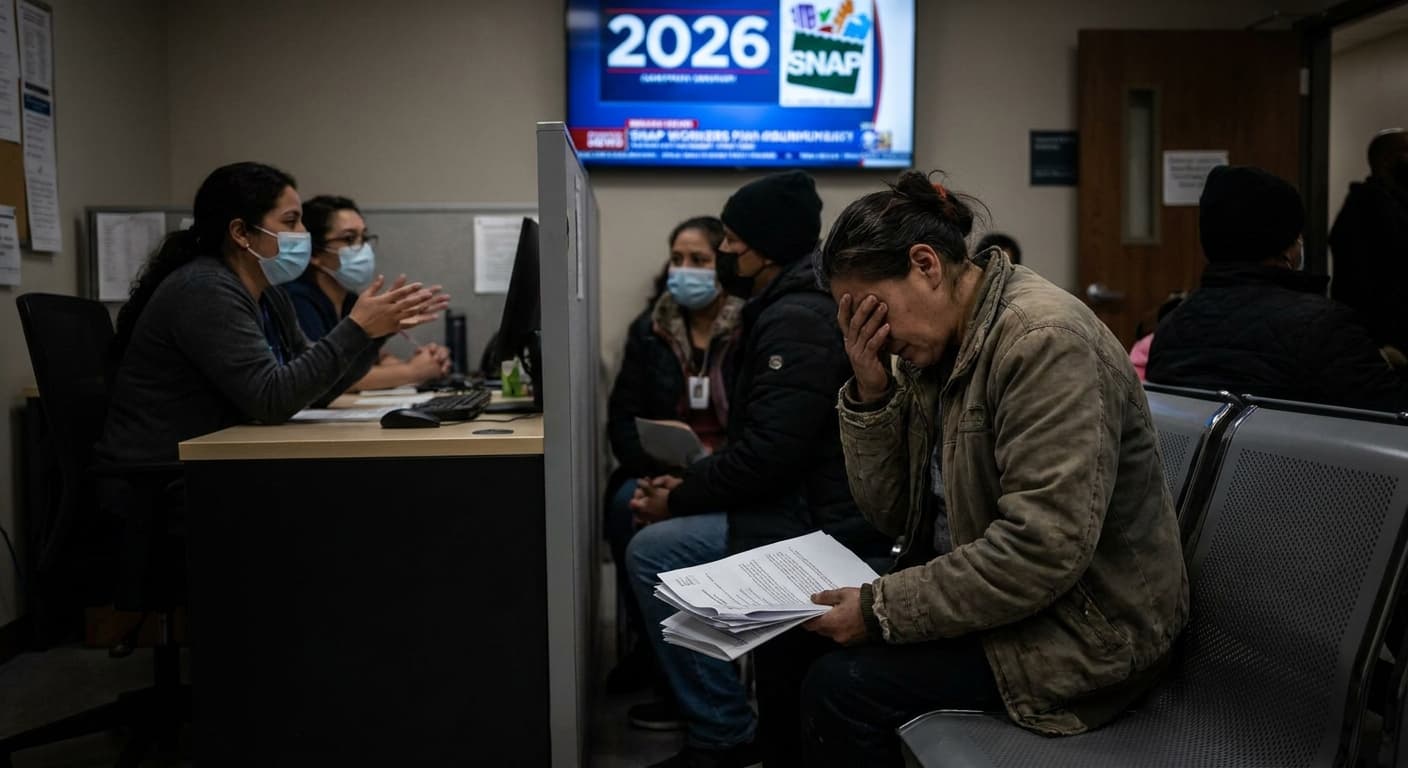
SNAP Food Assistance Faces Legal Challenges
In 2026, SNAP faces stricter eligibility rules and mounting legal challenges, threatening food assistance for the millions of Americans who rely on the program.
India
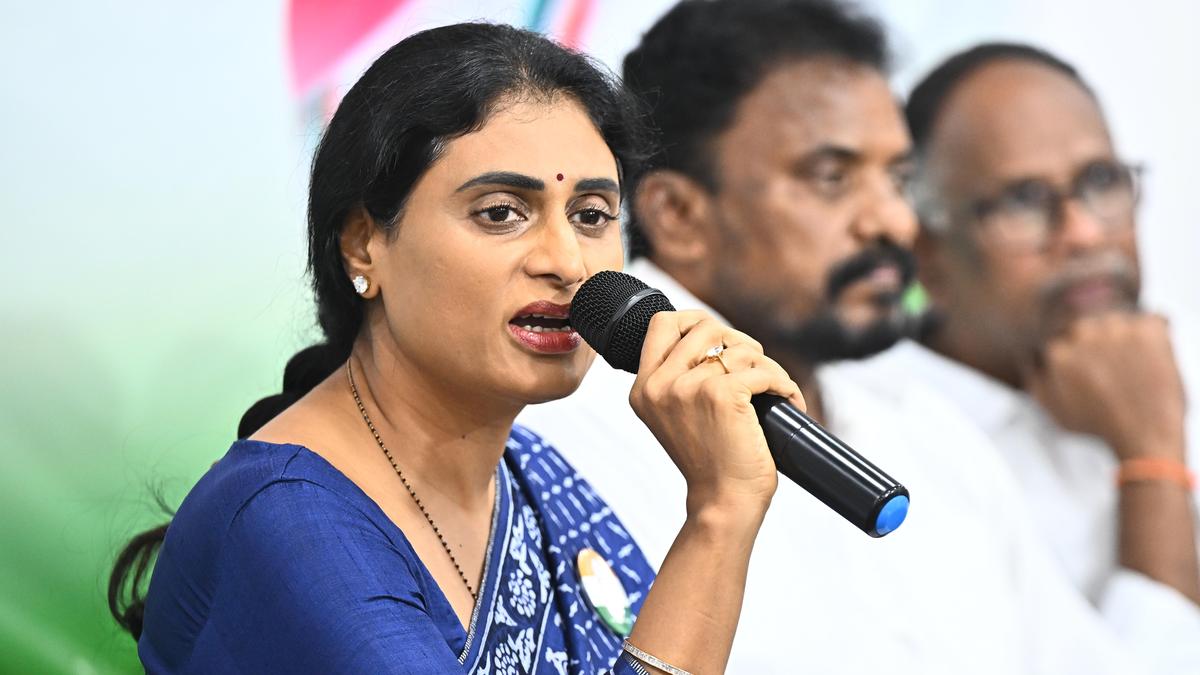
Congress Advocates 33% Women’s Quota
Congress calls for a 33% women's reservation in the existing 543 Lok Sabha seats, countering Modi's plan to expand the house to 850 seats.

Conflict & Security
Drone Warfare Killing Aid Workers at Unprec
Over 1,000 humanitarian workers killed in three years as cheap armed drones collapse legal protections. Gaza, Sudan, Ukraine, and DRC see deliberate targeting of aid convoys and hospitals with zero prosecutions.