Pakistan's Afghan Detention as Political Tool
Islamabad's strategy impacts thousands of Afghan migrants.
Model Diplomat2 min readSouth Asia
Pakistan’s Afghan Detention Drive Is Now a Pressure Tool
[UN agencies say more than 50,000 Afghans were detained in four months, as Islamabad turns migration enforcement into leverage over Kabul.]
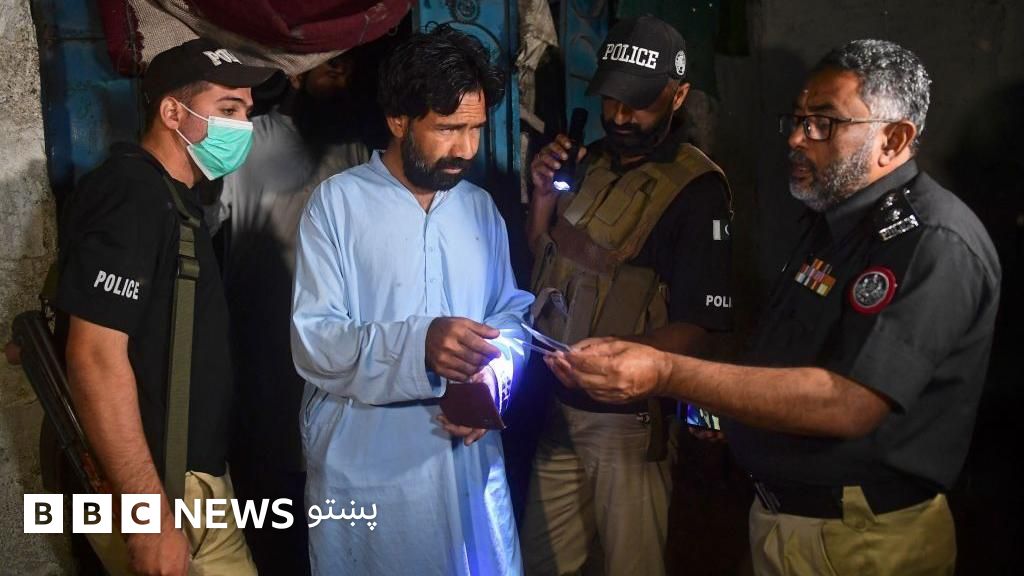
Pakistan is not just policing its borders; it is using Afghan detention as pressure. BBC News پښتو reports that international agencies say Pakistani authorities detained more than 50,000 Afghans in the past four months, with the heaviest concentration in Balochistan and Khyber Pakhtunkhwa and smaller shares in Islamabad and Punjab (BBC News پښتو). That is the operational face of a wider repatriation drive: make life uncertain for Afghan residents, force departures, and keep Kabul off balance.
The numbers show a campaign, not a spike
This is not an isolated sweep. Reuters, reporting in April, said Pakistan had already expelled more than 80,000 Afghan nationals since the end of March as part of its deadline-driven repatriation push (Reuters). AP also reported that Islamabad planned to expel 3 million Afghans during 2025, after warning undocumented Afghans and holders of Afghan Citizen Cards to leave by the end of March (
AP). In other words, detention is not a by-product of policy; it is the enforcement mechanism.
That matters because the numbers are large enough to shape behavior far beyond the border crossings. Once authorities start detaining at scale, families move pre-emptively, landlords evict tenants, employers cut ties, and routes through Torkham and Spin Boldak become channels of forced return rather than normal migration. For broader regional fallout, see Conflict and
Global Politics.
Islamabad gains leverage; Afghans absorb the cost
Pakistan’s incentives are clear. The government gets a domestic security message, a way to signal control after years of militant attacks, and another lever in its disputes with the Taliban government over cross-border militancy. Reuters noted that Islamabad has accused Kabul of failing to stop militants sheltering on Afghan soil, while Kabul rejects the charge (Reuters). By tying migration policy to security politics, Pakistan puts the burden on Afghan civilians for a problem it says is strategic.
The losers are obvious. Undocumented Afghans, long-term residents, and even holders of Pakistani-issued Afghan Citizen Cards face instability, arrest, and removal. UN agencies are then left to absorb the humanitarian shock at the border and inside Afghanistan. That is a bad trade for the region: Pakistan reduces visible presence, but Afghanistan gets a larger return burden, fewer resources, and more economic strain.
What to watch next
Watch whether Islamabad keeps the pressure focused on detention and short-notice expulsions, or shifts to a broader deadline for all remaining Afghan documentation regimes. Reuters and AP both showed this policy hardening around late-March and April deadlines (Reuters;
AP). The next decision point is whether Pakistan turns the current detention pace into a sustained campaign or pauses after extracting enough political leverage from Kabul.
Discover more

International Relations
Pakistan's Key Role in US-Israel-Iran Meddle
Pakistan is seeking to mediate the US-Israel-Iran conflict, balancing high-stakes diplomacy against severe economic pressures and steep regional challenges.

Conflict & Security
Drone Warfare Killing Aid Workers at Unprec
Over 1,000 humanitarian workers killed in three years as cheap armed drones collapse legal protections. Gaza, Sudan, Ukraine, and DRC see deliberate targeting of aid convoys and hospitals with zero prosecutions.
Global
World Normalises Taliban as Afghan Women Eras
UN data shows Afghan women erased from public life as Russia recognises the Taliban, EU hosts officials in Brussels, and ICC warrants for gender persecution go unenforced.
Conflict & Security
West Africa Food Crisis: Three Shocks in 2026
Conflict, climate extremes, and the Strait of Hormuz closure drive a severe food crisis in West and Central Africa, with fertilizer prices surging 80% and millions displaced.

