Pakistan Mediates Iran-US War Negotiations
Tehran reviews US offer as Pakistan mediates diplomacy efforts.
Model Diplomat3 min readMiddle East
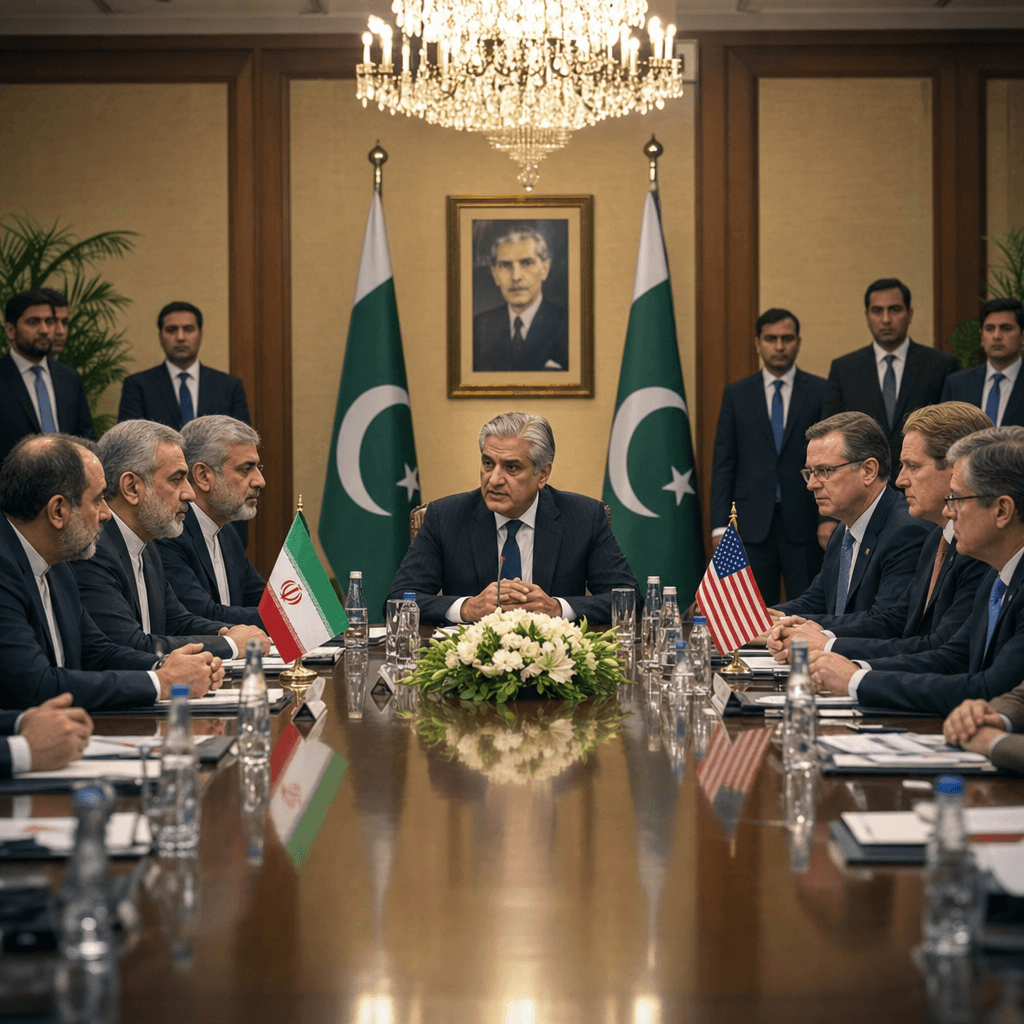
Pakistan Becomes the Pivot in Iran-US War Talks
Tehran is reviewing Washington’s latest offer while Islamabad tries to keep diplomacy alive; the real fight is over Hormuz, sanctions relief and who blinks first.
Iran said it has received the latest US position and is reviewing it, as Foreign Ministry spokesman Esmaeil Baghaei put it on Wednesday, while Pakistan’s interior minister and army chief moved to Tehran to keep the channel open, according to Al Jazeera. That sequence matters: Washington is not negotiating from a position of calm. US President Donald Trump is explicitly tying talks to the threat of renewed strikes, saying the process is on the “borderline” between a deal and more attacks,
Al Jazeera reported.
Pakistan holds the channel, not the solution
Pakistan now has the most useful role in the file: it is the messenger that both sides still accept. Al Jazeera says Field Marshal Asim Munir is headed to Tehran for “talks and consultations,” after Interior Minister Mohsin Naqvi made a second visit in less than a week. That follows Pakistan’s hosting of the only direct US-Iran contacts since the war began, which gives Islamabad a rare diplomatic asset.
But mediation only works if the sides are already near compromise. Gulf News reported Trump saying he would move quickly if Iran did not provide “the right answers,” while Baghaei said Tehran is examining the American proposal and wants frozen assets released and the US blockade on Iranian ports ended. That is not a breakthrough gap; it is a bargaining gap. Pakistan can narrow it, but it cannot erase it.
The immediate beneficiary of the Pakistani track is Tehran, which gets time and a face-saving intermediary. The loser is any camp in Washington or Tel Aviv betting on a fast coercive collapse. For policymakers watching Conflict, the key point is that this is a pressure campaign with a diplomatic wrapper, not a settled peace process.
Hormuz remains Iran’s strongest leverage
The central issue is no longer just Iran’s nuclear program. Both Al Jazeera and
Gulf News report that Tehran’s proposal focuses heavily on the Strait of Hormuz, sanctions relief, frozen assets and the end of US maritime pressure. That is where Iran has leverage: it can disrupt a chokepoint that still matters to global energy markets and force Washington to talk about shipping, not just centrifuges.
This is why the talks have been so hard. If the US insists on nuclear restrictions first and Iran insists on ending the war and the blockade first, the sequencing itself becomes the negotiation. Iran’s military and media messaging reinforces that posture. Al Jazeera reported the Revolutionary Guards warning that any renewed attack would widen the war regionally, while Iran’s foreign minister said Tehran is ready for either fighting or negotiating. That kind of messaging is designed to keep Washington uncertain about the cost of failure.
What to watch next
The next decision point is Munir’s trip to Tehran and whether Pakistan can extract a written response that goes beyond slogans. Watch for three things: whether Iran softens its demands on Hormuz control, whether the US trims its insistence on immediate nuclear concessions, and whether Trump follows his “few days” timeline with either a new pause or renewed military action. If there is movement, it will come through Pakistan first — and quickly.
Discover more

International Relations
Pakistan's Key Role in US-Israel-Iran Meddle
Pakistan is seeking to mediate the US-Israel-Iran conflict, balancing high-stakes diplomacy against severe economic pressures and steep regional challenges.

Conflict & Security
Drone Warfare Killing Aid Workers at Unprec
Over 1,000 humanitarian workers killed in three years as cheap armed drones collapse legal protections. Gaza, Sudan, Ukraine, and DRC see deliberate targeting of aid convoys and hospitals with zero prosecutions.
Global
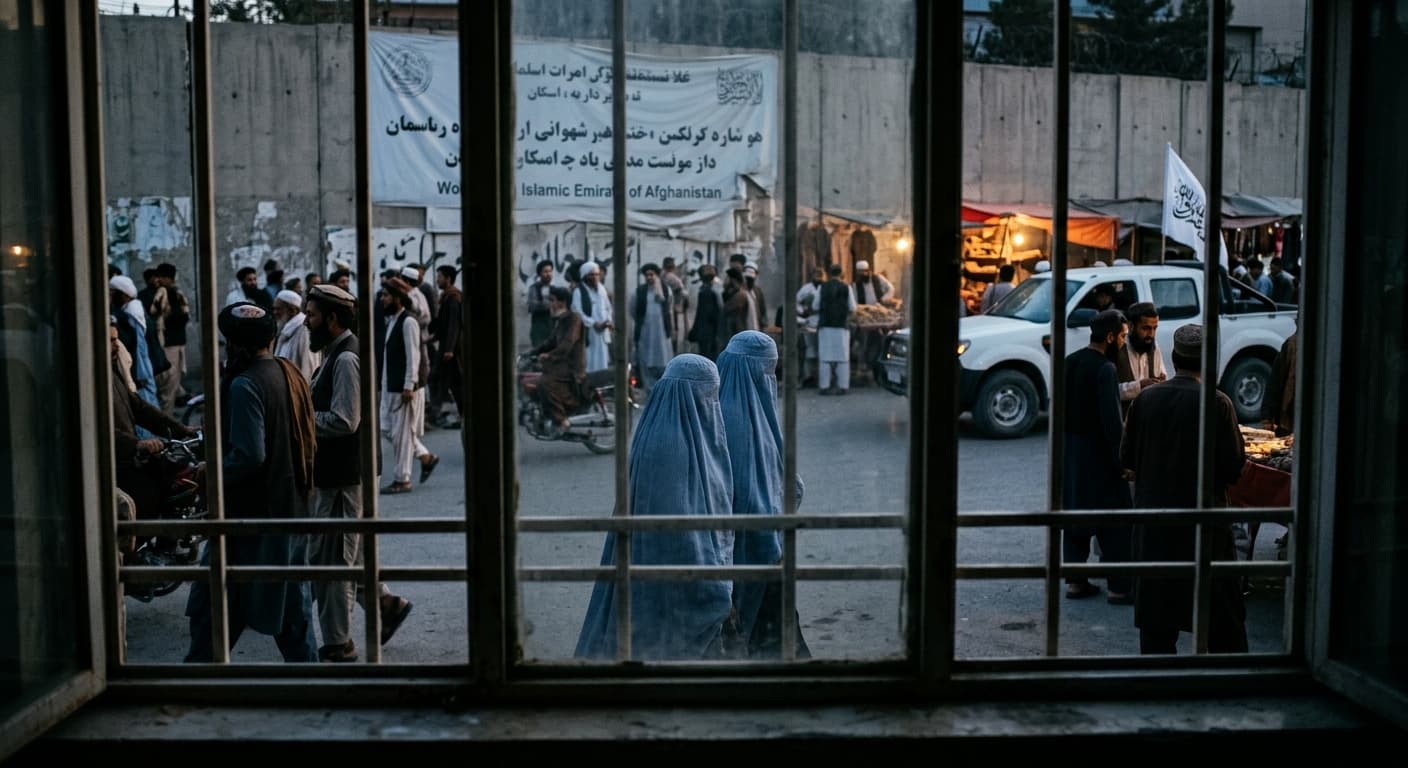
World Normalises Taliban as Afghan Women Eras
UN data shows Afghan women erased from public life as Russia recognises the Taliban, EU hosts officials in Brussels, and ICC warrants for gender persecution go unenforced.
Conflict & Security
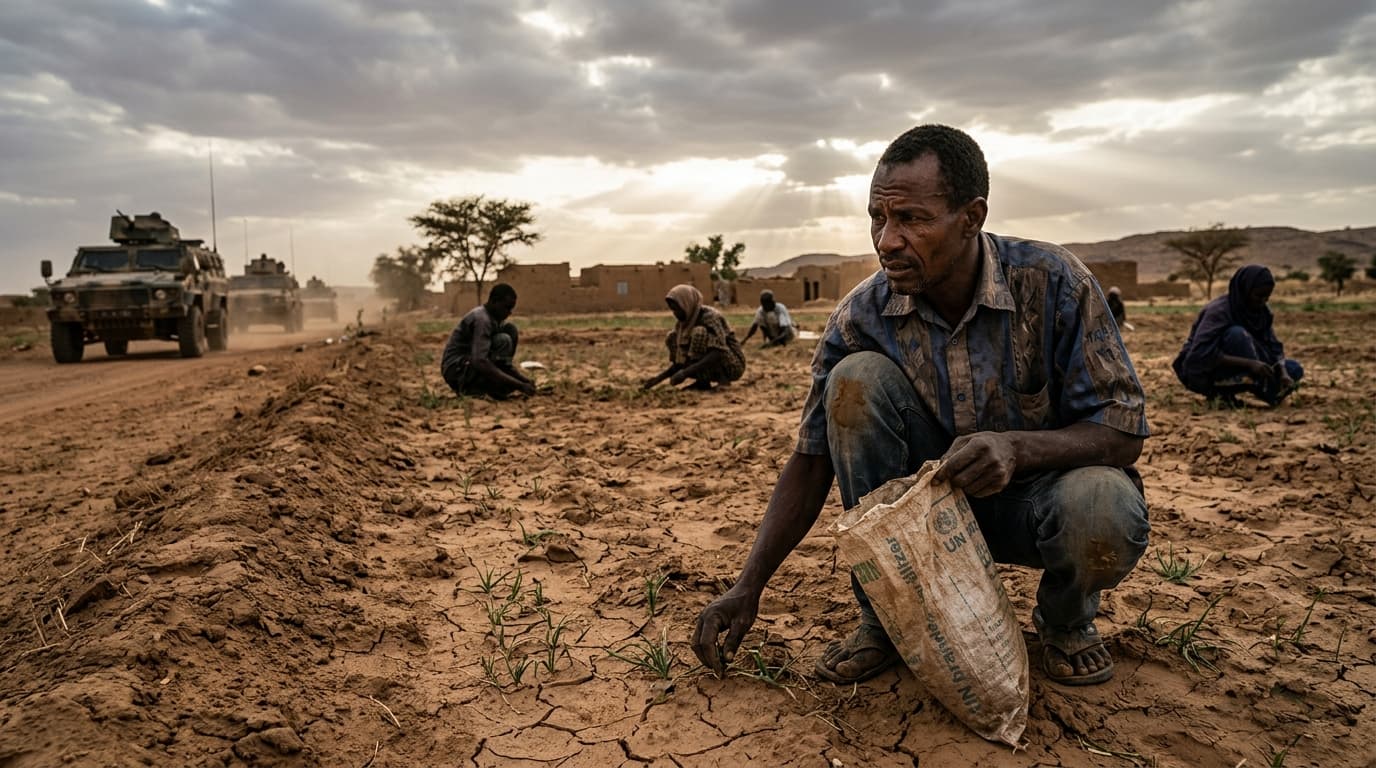
West Africa Food Crisis: Three Shocks in 2026
Conflict, climate extremes, and the Strait of Hormuz closure drive a severe food crisis in West and Central Africa, with fertilizer prices surging 80% and millions displaced.